

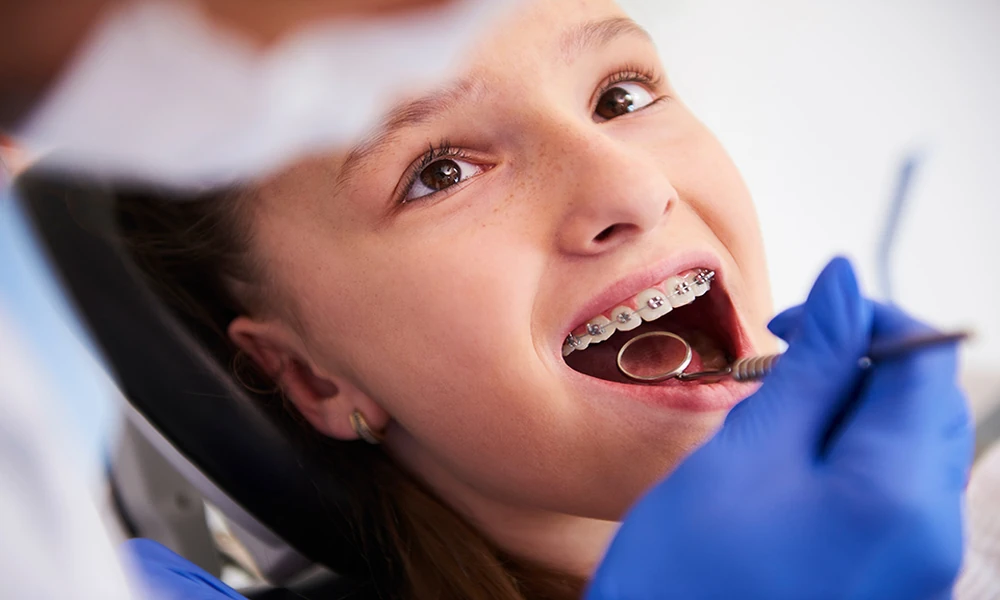
You might be noticing that your child’s teeth are not lining up the way you expected, or maybe your own bite has started to bother you in photos or when you chew. You are not sure if it is “bad enough” for braces or if a restorative option like dental bridges in Villa Rica, GA might be more appropriate, you do not want to overreact, and you definitely do not want to miss something important. That tug of worry in the back of your mind is real, and it can be exhausting.end
Because of this tension, you might wonder where orthodontics fits into your everyday dental care. Do you wait until a problem is obvious, or is there a way to spot things early without jumping straight into treatment? That is where a trusted family dentist can quietly change the story. A good family dentist does not just clean teeth. They help you understand how teeth and jaws grow, when orthodontic help might be needed, and how to move at a pace that fits your family’s comfort and budget.
In simple terms, family dentistry and orthodontic awareness go hand in hand. Your regular checkups become early warning checkpoints. You learn what is normal, what is worth watching, and when it is time for a specialist. That is the “after” we are aiming for. Less guesswork. More calm, informed choices.
Why does orthodontic awareness even matter for a busy family?
It often starts small. A thumb sucking habit that lingers. Crowded baby teeth that seem cute at first. A child who always breathes through their mouth or snores. On their own, these things may not feel urgent. Life is full. School, work, sports, childcare. Orthodontics can feel like one more big project you do not have capacity for.
The problem is that teeth and jaws are always moving as children grow. A bite that “looks fine” at age six can shift a lot by age ten. If no one is watching closely, you may not notice until the only option is a long, expensive orthodontic treatment. That is when parents often say, “I wish someone had told me earlier.”
There is also the emotional side. Children who are teased about their teeth can become quiet or withdrawn. Adults who are self-conscious about their smile may avoid photos, speaking up at work, or even laughing openly. Orthodontic issues are not just cosmetic. They can affect how you chew, speak, and feel about yourself.
So where does that leave you when you do not have a clear map of what is “normal” growth and what is a sign to act?
How can a family dentist spot problems before they grow?
A family dentist sees your whole household over time. That ongoing relationship is powerful. At regular exams, they watch how teeth erupt, how the upper and lower jaws meet, and how habits like mouth breathing or thumb sucking are affecting growth. The American Dental Association notes that early visits and preventive programs for kids can make a real difference in long term oral health, including orthodontic needs, when care is coordinated thoughtfully. You can see an example of that preventive focus in the ADA’s Give Kids A Smile guidance for dental professionals.
This steady monitoring means you are not relying on a single snapshot. Your dentist can say things like, “This crowding is mild and we can watch it” or “This crossbite is affecting how the jaw grows, so an early orthodontic look would be smart.” That kind of guidance turns a vague worry into a clear plan.
For children, a family dentist often coordinates the timing of the first orthodontic evaluation. Many orthodontic organizations suggest that around age 7 is a good moment to check growth patterns, even if no one is ready for braces yet. Early awareness does not always mean early treatment. Sometimes it just means watching the right things at the right times.
For adults, that same dentist can help you understand how crowding, grinding, or gum issues relate to tooth position. They can explain how orthodontics might improve cleaning, reduce wear, or help with jaw discomfort, not just straighten teeth for looks. The MouthHealthy orthodontics overview from the American Dental Association is a helpful resource if you want to read more about how treatment can support both function and appearance.
What risks do you avoid by being proactive about orthodontic care?
When orthodontic awareness is part of everyday family dentistry, you gain time and options. You are less likely to be surprised by severe crowding in the teen years. You are less likely to spend money on “quick fix” cosmetic treatments that ignore bite problems underneath.
Research has shown that untreated bite problems can be linked with issues such as tooth wear, difficulty cleaning crowded areas, and sometimes jaw discomfort. A review in the National Center for Biotechnology Information describes how malocclusion, which is the technical term for misaligned teeth and jaws, can affect both function and quality of life over time. You can explore that background in this NCBI overview of malocclusion and orthodontic care.
On the financial side, early guidance can sometimes mean shorter, simpler treatment or even avoiding treatment when growth corrects a mild issue on its own. It also helps you plan. Instead of a sudden large bill, you can prepare for possible orthodontic costs in advance, compare options, and choose what fits your family.
But how do you sort through all the choices you see online, from mail order aligners to full orthodontic care guided by your dentist and a specialist?
How does a family dentist compare to “DIY” orthodontic options?
Many families feel tempted by direct to consumer aligners that promise low cost and minimal office visits. It is understandable. Time and money are tight. Yet teeth are part of a living system that includes bone, gums, and jaw joints. Moving them without a full picture of that system can backfire.
A family dentist who supports orthodontic support for families does more than look at a smile in a selfie. They take X rays when needed, review your medical history, and look at growth patterns, then coordinate with an orthodontist when tooth movement is appropriate. That team approach can reduce avoidable risks.
Comparing DIY Aligners and Dentist Guided Orthodontic Awareness
| Aspect | DIY / Mail Order Aligners | Family Dentist Guided Care |
|---|---|---|
| Initial evaluation | Limited photos or impressions. Often no in person exam. | In person exams over time, with X rays and bite checks as needed. |
| Focus of care | Mainly cosmetic straightening of front teeth. | Looks, bite function, jaw growth, and gum health considered together. |
| Monitoring progress | Remote check ins. Problems may be missed until advanced. | Regular visits. Dentist and orthodontist can adjust the plan quickly. |
| Risk management | Higher risk of gum recession, root issues, or bite problems going unnoticed. | Complications watched for and managed early with a full clinical picture. |
| Long term plan | Often focused on short term cosmetic change. | Built into your ongoing preventive care and family dental history. |
When your family dentist is involved, orthodontic decisions become part of your bigger oral health story, not a one time cosmetic project.
What can you do right now to support your family’s orthodontic health?
1. Use your next family dental visit to ask specific growth questions
At your child’s or your own next checkup, ask your dentist direct questions. For example, “Are you seeing any signs that might point to future orthodontic needs?” or “Is this crowding something we should watch or act on?” Encourage your dentist to walk you through what they see on X rays and in the bite. You are not being difficult. You are being informed.
2. Watch habits and breathing, not just how teeth look
Pay attention to signs at home. Does your child snore, sleep with their mouth open, or struggle to chew certain foods evenly. Do they suck a thumb or chew on objects often. Mention these patterns to your family dentist. These habits can influence how jaws grow and how teeth line up. Early awareness gives your dentist the chance to suggest simple changes or to recommend an early orthodontic opinion if needed.
3. Create a simple plan for possible future orthodontic costs
Even if no one in your family needs braces right now, ask your dentist what they anticipate over the next five to ten years. Are there children whose growth they want to watch more closely. Are there adults who might benefit from orthodontics to improve function or make cleaning easier. Use that insight to plan. You might set aside a small amount each month, look at dental benefits you are not using, or compare orthodontic options ahead of time. Planning lowers stress when the moment for treatment arrives.
Where do you go from here with family dentistry and orthodontic support?
You do not need to have all the answers today. You only need a trusted partner who understands both everyday dental care and the bigger picture of how teeth and jaws grow. That is the quiet strength of family dental and orthodontic care. Your regular checkups become more than cleanings. They become checkpoints that protect your family’s comfort, confidence, and long term oral health.
The next step is simple. At your upcoming visit, open the conversation. Share your worries, even if they feel small. Ask your dentist how they watch for orthodontic issues and how they coordinate care with orthodontists. With that one conversation, you move from guessing to guided, from anxious to prepared, and your family’s smiles are safer for it.

Carmel Issac is a blogger and writer. He loves to express his ideas and thoughts through his writings.
