

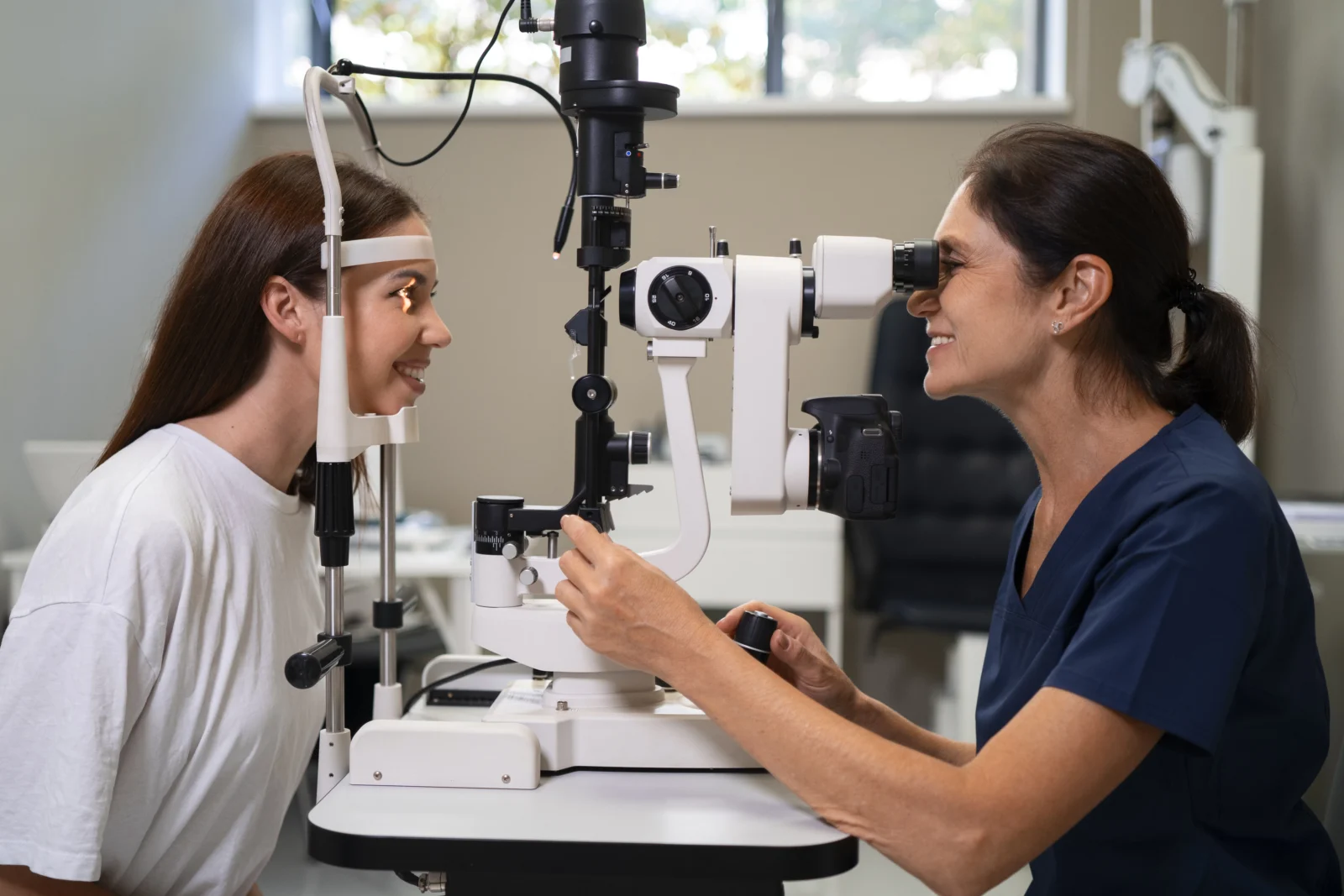
You might be feeling a mix of curiosity and worry about your first visit to the eye doctor. Maybe your vision has been a little blurry, your child is squinting at the TV, you’re considering glaucoma treatment in Austin TX, or you are simply overdue for a checkup and feeling guilty every time you strain to read a screen. You know you should go, but the unknown can feel uncomfortable. What will they do? Will it hurt? Will it be expensive? It is a lot to carry in your head at once.end
Here is the good news. A first eye exam is usually simple, mostly painless, and very structured. Once you understand what to expect, the stress tends to ease. You can walk in knowing what will happen and walk out with clarity about your eyes, your options, and your next steps. In short, you can expect three main things. A careful conversation about your health and vision. A series of tests that check how well you see and how healthy your eyes are. Then a clear plan, which might include glasses, contacts, or follow up care.
So where does that leave you right now? You are standing at the starting line, wondering if the visit will be worth the time and energy. It will. Your eyes are your connection to your work, your family, and your independence. Understanding a first visit to the eye doctor is the first step to protecting that.
Why does a first eye exam feel so stressful in the first place?
Part of the stress comes from not knowing what is normal. You might be thinking, “Are my headaches a big deal, or am I overreacting?” or “My child says they see fine, so is this just me worrying too much?” When there is uncertainty, the mind fills the gaps with worst case scenarios.
There is also the practical side. You may worry about cost, whether you will be pressured to buy expensive glasses, or if they will find something serious. If you have had a rushed medical visit in the past, you might fear that the eye exam will feel the same way. Quick, impersonal, and confusing.
Because of this tension, you might be tempted to put it off another month, or another year. The problem is that many eye issues start quietly. Conditions like glaucoma or early macular changes can progress without obvious symptoms at first. Even simple nearsightedness can affect school, work, and driving long before you fully notice how much you are compensating.
So what actually happens during a modern eye exam, and how does it help you move from worry to clarity?
1. Expect a detailed conversation about your vision and health
Your visit usually starts with questions, not machines. The eye care team will ask about your vision, your medical history, and your daily life. This is not small talk. It gives the doctor a map for what to look for and what to prioritize.
You can expect questions such as:
- Do you have trouble seeing far away, up close, or both
- Do you get headaches, eye strain, or double vision
- Do your eyes feel dry, gritty, or watery during the day
- Do you use screens for many hours, or work in low light
- Does anyone in your family have glaucoma, diabetes, or serious eye disease
If you wear glasses or contacts, they will check your current prescription. If this is for your child, the doctor might ask about school performance, reading habits, or if they sit very close to screens. The American Optometric Association offers a helpful overview of what a routine eye exam for adults and children typically includes, which can give you extra peace of mind before you go.
This first part is your chance to speak up. Mention anything that seems small or “silly.” Difficulty driving at night. Needing more light to read. Occasional flashes of light or new floaters. These details help the doctor tailor the rest of the exam to you.
2. Expect vision tests and a careful check of eye health
After the conversation, the focus shifts to how clearly you see and how healthy your eyes are. This is where people often imagine bright lights and strange machines, and that can feel intimidating until you know what each step is for.
Most first eye visits include:
- Visual acuity testing. This is the classic “read the letters on the chart” test. It checks how well you see at distance and sometimes at near.
- Refraction. This is when you look through a device and answer “Which is better, one or two” as lenses change. It fine tunes your glasses or contact lens prescription.
- Eye movement and focus tests. These help identify problems like eye misalignment or focusing difficulties that can cause eye strain or reading trouble.
- Eye pressure measurement. Often done with a gentle puff of air or a small device. This screens for glaucoma risk.
- Health evaluation of the front and back of the eye. The doctor uses lights and lenses to examine your cornea, lens, retina, and optic nerve.
In many cases, eye drops are used to dilate your pupils so the doctor can look more deeply at the retina. Your vision may be blurry up close for a few hours and you may be more sensitive to light, so bringing sunglasses and avoiding detailed near work right after is wise. The University of Florida provides a clear walk through of what to expect with pupil dilation and other tests during an eye appointment at an academic eye clinic.
None of this is meant to scare you. It is meant to catch small issues early, before they become big problems. Many serious eye conditions respond best when they are found at this stage, when you might not even notice symptoms yet.
3. Expect a clear plan and honest conversation about next steps
After the tests, the doctor will explain what they found. This is where all your earlier questions and worries start to settle. You will learn if you need glasses or contacts, if your current prescription should change, and whether your eye health looks normal or needs follow up.
You might hear terms like nearsightedness, farsightedness, astigmatism, or presbyopia. You might discuss dry eye, allergies, or computer vision strain. If anything more serious is found, the doctor will explain what it means and what can be done next. The goal is not to rush you out the door. The goal is that you leave understanding your eyes and your choices.
If you are concerned about how an eye exam fits into daily life, the University of Houston shares useful guidance on what to expect at an eye care appointment in a teaching clinic setting, including timing and typical procedures. This can help you plan your day and prepare any questions in advance.
How does a first eye doctor visit compare to waiting and “seeing how it goes”?
You might still be weighing your options. Is it better to schedule that first eye exam or wait until things feel worse? The comparison below can help you think it through in a concrete way.
| Choice | Short term experience | Risks | Benefits
|
|---|---|---|---|
| Schedule a first eye doctor visit soon | One visit that may take 45 to 90 minutes. Some temporary light sensitivity if eyes are dilated. | Cost of exam and possible eyewear. Mild temporary discomfort during a few tests. | Early detection of problems. Clear diagnosis. Personalized plan for glasses, contacts, or treatment. Peace of mind. |
| Wait and monitor your own vision | No immediate appointment or cost. Ongoing strain, guessing about changes in vision. | Potential worsening of undetected conditions. More difficulty at work, school, or driving. Possible higher long term costs if issues are found late. | None for eye health itself. Only short term convenience and delayed decision making. |
When you see it laid out this way, an early visit is usually the safer and calmer path. You trade a short appointment for long term clarity.
3 practical steps to prepare for your first eye doctor visit
- Write down your symptoms and questions
A few days before your appointment, make a short list. Include any vision changes, headaches, eye strain, or dryness. Note when they happen and what seems to trigger them. Add questions such as “How often should I come back” or “Are my screens affecting my eyes” or “Is this safe for my child.” Bring this list with you so you are not trying to remember everything on the spot.
- Gather your current glasses, contacts, and medication list
Bring any glasses and contact lens boxes you use now. If you take medications or have health conditions like diabetes, high blood pressure, or autoimmune disease, write those down too. Many body conditions affect the eyes. Sharing this information helps the doctor interpret your exam more accurately and tailor the plan to your overall health.
- Plan your schedule and comfort for the day
Since some exams include dilation, plan enough time so you are not rushed. Consider arranging transportation if you are worried about driving while your pupils are large and sensitive to light. Wear comfortable clothing and bring sunglasses. If this is your child’s first visit, explain in simple terms that the doctor will use lights and pictures to “take a good look at your eyes” and that you will be with them the whole time.
Moving forward with confidence about your first eye doctor visit
Your first visit to an eye doctor is not just another appointment to check off a list. It is a quiet turning point. You move from guessing about your vision to knowing. From worrying about what might be wrong to understanding what is actually happening and what you can do about it.
Whether you are going in for a routine check, new symptoms, or a child’s first exam, you now know the three main things to expect. A careful conversation about your history. A series of gentle tests that check how well you see and how healthy your eyes are. Then a clear plan tailored to you. That is the heart of a quality eye exam.
You do not have to wait for things to get worse. Schedule that first appointment, bring your questions, and give yourself permission to seek answers. Your future self, reading clearly and living with more confidence, will be grateful you did.
