

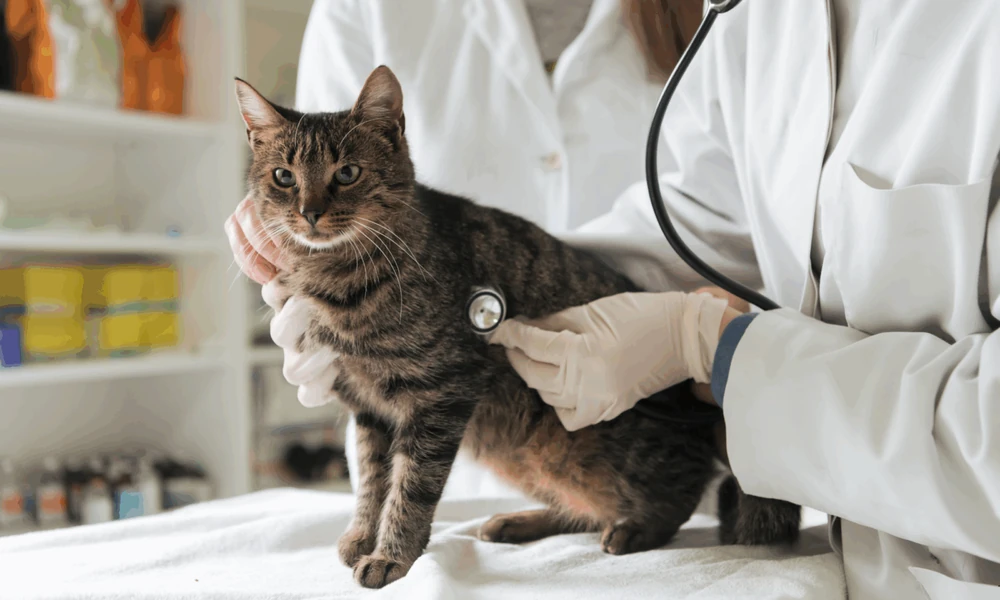
You might have noticed it slowly. Your cat seems less eager to jump, less playful than before, or maybe the carrier feels heavier every time you lift it. At first, extra weight can seem harmless, even easy to miss under soft fur and a calm personality. Then the worry starts to creep in. Is this just age, or is something else going on? The short answer is that weight gain in cats is common, but it is not something to brush aside. A veterinarian in south Calgary at a cat clinic can help you spot the cause, build a safe plan, and protect your cat from problems that often come with obesity.
If you are feeling torn between wanting to help and not knowing where to begin, that makes sense. Feeding feels personal. Treats feel like love. And when your cat begs, stares, or refuses change, even the best intentions can fall apart fast. Because of that tension, many owners try to manage things at home for months before getting support. The trouble is that cats do not always lose weight safely without close guidance.
Why does weight gain in cats become such a serious health issue?
Extra pounds do more than change your cat’s shape. They can strain joints, reduce mobility, affect grooming, and raise the risk of diabetes and other illness. According to the University of Illinois, pet obesity is linked to a range of health concerns, which is why understanding the facts about pet obesity matters so much. What looks like a little weight gain can become a much larger problem when it limits movement and lowers quality of life.
There is also a hidden risk many people do not realize. Cats are not small dogs, and rapid weight loss can be dangerous for them. If a cat stops eating or loses weight too fast, liver problems can follow. That means a plan that sounds simple on paper, such as cutting food sharply, can backfire. So, where does that leave you? It means weight control needs structure, monitoring, and medical judgment.
How can a cat clinic make weight management safer and more effective?
A cat clinic does more than weigh your cat and tell you to feed less. It looks at the full picture. Is your cat overeating because portions are off, or because another pet is stealing meals? Has activity dropped because arthritis makes movement painful? Is there a medical issue affecting appetite or metabolism? These questions matter, and they are one reason feline weight management works better when guided by a team that focuses on cats.
Specialized care also helps with the emotional side of the process. Many owners feel guilt when they hear their cat is obese. Others feel judged. A good clinic lowers that stress. Instead of blame, you get a plan based on your cat’s body condition, age, routine, and diet history. You may also get help with food puzzles, meal timing, calorie targets, and ways to separate feeding in multi cat homes.
For example, one cat may be indoor only, sleep most of the day, and eat from a full bowl whenever it wants. Another may cry for food because boredom and hunger look the same. Without guidance, both cats can end up on the wrong plan. With a cat clinic, the advice becomes specific, which is what makes change possible.
What should you know before trying to help your cat lose weight at home?
Home efforts can help, but they need the right foundation. Cornell’s feline health resources on feeding your cat explain how diet choices, portion control, and feeding habits shape long term health. Even so, knowing what to feed is only part of the issue. The amount, the pace of change, and the cat’s medical history all affect safety.
If your cat is older, has stopped grooming well, or seems stiff when climbing, weight gain may be tied to pain. If your cat begs constantly, there may be a behavior pattern that needs a different answer than simply reducing food. And if your cat is already obese, Cornell’s advice on caring for obese cats shows why careful monitoring matters during weight loss.
Should you try DIY weight loss, or is professional cat care the better path?
It is tempting to handle the issue on your own, especially if your cat seems otherwise fine. But there is a difference between trying harder and having the right plan. Here is where that difference becomes clear.
| Approach | What It Often Looks Like | Main Risk | Likely Benefit |
|---|---|---|---|
| DIY feeding changes | Smaller portions, fewer treats, guessing calorie needs | Too little food, too fast, or no progress at all | Can help with mild weight gain if done carefully |
| General pet advice | Broad tips not tailored to cats | Missed feline specific risks and behavior issues | May offer a starting point |
| Cat wellness clinic support | Body condition scoring, diet review, medical screening, follow up checks | Lower risk because changes are monitored | Safer, more targeted, and easier to sustain |
The goal is not just a lower number on the scale. It is better movement, more comfort, and a plan your cat can actually live with.
What can you do right now if you are worried about your cat’s weight?
Start with observation. Look at how your cat moves, grooms, jumps, and eats. Notice whether the waist is hard to see, whether the belly hangs more than before, or whether play has dropped off. These details give a clinic a much clearer picture.
Measure food honestly. Free pouring into a bowl often leads to overfeeding. Use a measuring cup and write down everything your cat gets in a day, including treats and table scraps. Many people are surprised by how quickly small extras add up.
Book a weight focused exam. A proper check can rule out medical issues, set a safe calorie goal, and track progress over time. That kind of support is often what turns a cycle of trial and error into a plan that works.
When does getting help from a cat clinic matter most?
If your cat is already overweight, has trouble moving, or has not responded to food changes at home, now is a good time to act. The longer extra weight stays on, the harder it can be on the body. But this is still something you can address. Small, steady steps often lead to meaningful change.
Your cat does not need a harsh diet. You do not need to figure this out alone. With the right support, weight management becomes less confusing and much safer. If you are concerned about your cat’s size, appetite, or activity, schedule a visit with a cat clinic and start building a plan that fits your cat’s real needs.
