

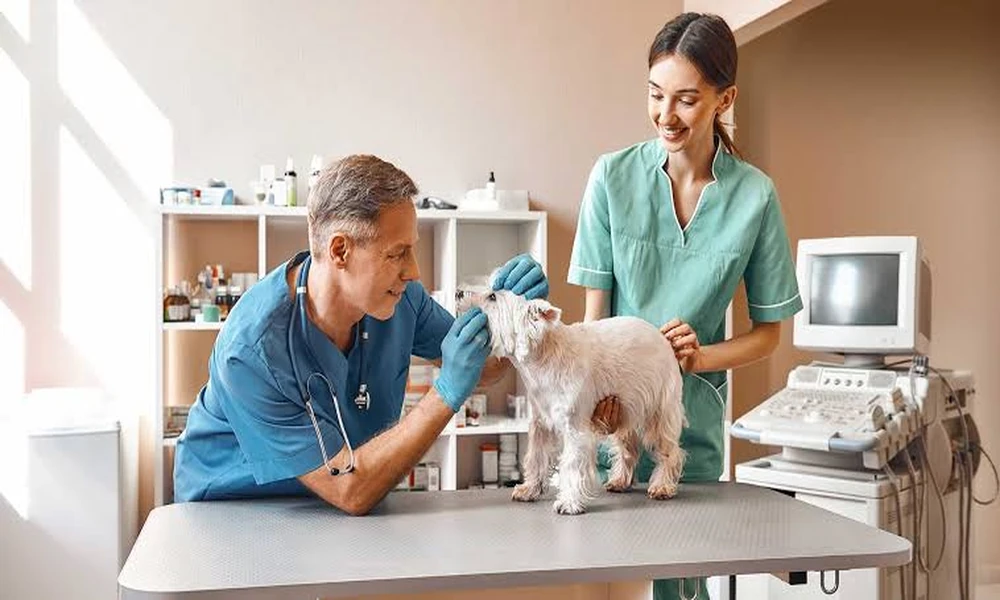
You know your pet better than anyone, which is why small changes can sit in the back of your mind for weeks. Maybe the treats have added up, the walks have gotten shorter, or your cat feels a little heavier when you pick them up. It is easy to brush it off because weight gain rarely happens all at once. It creeps in, and by the time it is obvious, it has already started to affect energy, comfort, and long term health. At High River animal clinic, we often see how these gradual changes can make a big difference over time.
That is why regular weigh ins matter. They are simple, quick, and often far more useful than they seem. Regular pet weight checks help catch gradual changes early, give your veterinarian a clearer picture of your pet’s overall health, and make it easier to adjust food, exercise, and treatment before a small issue turns into a bigger one.
Regular weight checks catch problems before they become harder to treat
Most pets do not show illness in obvious ways at first. A dog can gain a few pounds and still greet you at the door like nothing is wrong. A cat can lose weight while still eating enough to look fine from across the room. That is part of what makes weight such a useful health marker. When it changes without a clear reason, your veterinarian pays attention.
Extra weight raises the risk of joint pain, diabetes, heart strain, and breathing issues. The University of Illinois explains in its pet obesity FAQ that excess body fat is tied to several serious medical conditions in pets. Weight loss can also signal trouble, including dental disease, digestive problems, thyroid issues, or chronic illness. A quick number on the scale can point to concerns that deserve a closer look.
You may think, “My pet only gained two pounds.” On a Labrador, that matters. On a cat or small dog, it can matter even more. A few pounds on a smaller frame can be the difference between healthy and overweight.
Weight checks make nutrition advice more accurate
Feeding gets confusing fast. One family member scoops food a little high, another slips table scraps under the table, and treats do not always feel like they count. Then the food bag suggests a range that is too broad to be useful. You are left guessing, and guessing is usually where weight starts to drift.
Regular vet visits with weight tracking turn feeding advice into something specific. Your veterinarian can compare your pet’s current weight, body condition, age, breed, and activity level, then help you adjust portions with more confidence. That is much more useful than eyeballing it at home.
This is one of the clearest benefits of veterinary weight monitoring. It moves the conversation from “I think they look okay” to “Here is what their body is doing over time.” That gives you a real plan, not a vague reminder to feed less.
Routine weigh ins support safer treatment and medication dosing
Weight is not just about body fat. It affects how your pet is treated when they need care. Many medications are dosed by weight, including pain medicines, parasite prevention, and some antibiotics. An outdated weight can lead to underdosing or overdosing, neither of which helps your pet.
An accurate weight also matters if your pet needs anesthesia, surgery, or a long term treatment plan. If your dog has arthritis, for example, a rising weight can make pain harder to control because the joints are carrying more load. If your cat has kidney disease, weight trends can help show whether treatment is working or whether appetite and muscle mass are slipping.
Vet weight checks for pets are one of those small routines that quietly improve the quality of medical care across the board.
Tracking weight over time gives you a clearer picture than home guesses
Home scales can help, but they are not always easy or accurate. Large dogs do not stand still. Cats turn a simple task into a wrestling match. Weighing yourself, then weighing yourself while holding your pet, gives you a rough number, not a reliable trend.
At the clinic, the scale is consistent, the team knows how to position your pet, and the results go into the medical record. That long view matters. One weigh in tells you today’s number. A series of weigh ins tells a story.
Cornell’s Riney Canine Health Center notes in its guide on obesity and weight loss in dogs that weight management works best when progress is measured and monitored. Slow, steady change is safer and easier to maintain than sudden swings.
Regular veterinary visits help protect mobility and quality of life
Weight affects daily comfort more than many people realize. Pets carry every extra pound all day, every day. Over time, that stress wears on joints, soft tissue, and stamina. You may notice your dog hesitates before jumping into the car, or your cat stops using the top perch they once loved. Those changes often look like aging, but weight can be part of the reason.
When your veterinarian catches weight gain early, the fix is usually simpler. A modest food adjustment, a different treat routine, more structured activity, or a check for an underlying issue can make a real difference. Waiting until mobility has already declined often means a longer, harder road back.
| Situation | Home Monitoring Alone | Regular Weight Checks at the Vet |
|---|---|---|
| Small monthly weight gain | Easy to miss by sight alone | Recorded trend helps catch it early |
| Feeding adjustments | Often based on guesswork | Based on weight, body condition, and health history |
| Medication dosing | May rely on outdated numbers | Uses current, documented weight |
| Weight loss from illness | Can go unnoticed until advanced | Change is flagged sooner during routine care |
| Long term mobility | Problems often noticed later | Extra weight can be addressed before joints suffer more |
Simple steps you can take before the next general veterinarian visit
Track what your pet actually eats. Write down meals, treats, chews, and table scraps for one week. Most people are surprised by how quickly the extras add up. Bring that list to your next general veterinarian appointment so the conversation is based on real habits.
Watch for changes in movement and energy. Slower walks, less jumping, more sleeping, and trouble climbing stairs can all connect to weight. These details help your veterinarian see how the number on the scale matches your pet’s daily life.
Schedule weight checks consistently. If your pet is healthy, ask how often weigh ins make sense for their age and breed. If they are already overweight, losing weight, or managing a medical condition, more frequent checks may be the better path.
Your pet does not need to look severely overweight or thin for weight checks to matter. The best time to catch a problem is before it becomes obvious. A few minutes on the scale can protect comfort, mobility, and health in ways that are easy to underestimate until you see the difference over time.
If your pet’s weight has been on your mind, bring it up at the next visit with a general veterinarian. A simple check can give you answers, a plan, and some peace of mind.
