

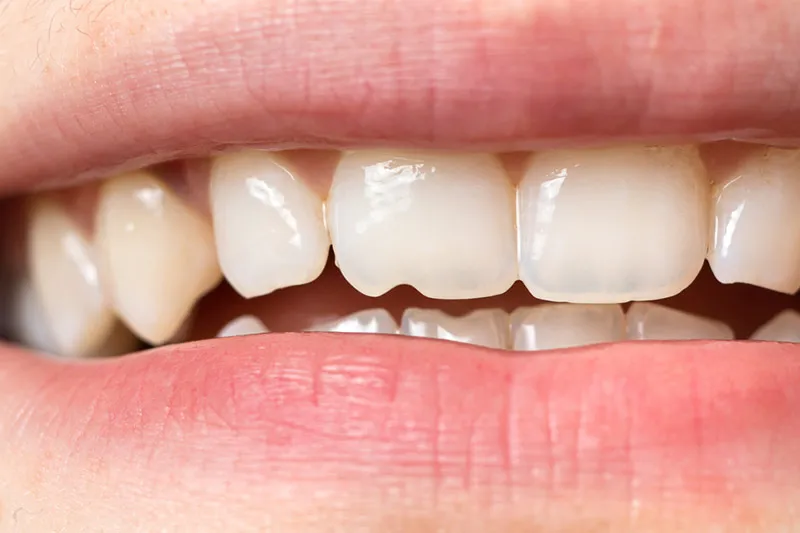
You might have noticed a rough spot on a tooth, a tiny chip near the edge, or a cavity that seems small enough to ignore, and now you are stuck between hoping it goes away and worrying it could turn into something bigger. That tension is real. When something feels minor, it is easy to wonder whether treatment will be too much, too costly, or more aggressive than you want. The good news is that many small problems can often be fixed without placing a crown over the whole tooth. In many cases, an Edmonton family dentist and cosmetic dentist can use conservative treatments that protect healthy tooth structure while restoring strength, shape, and comfort.
That matters because once a tooth loses more structure, repairs can become more involved. A small defect today can grow into decay, sensitivity, or a crack tomorrow. According to the National Institute of Dental and Craniofacial Research, the tooth decay process often starts quietly, long before pain forces your attention. So, where does that leave you if you want a fix that is careful, not excessive?
Why do dentists choose smaller repairs instead of covering the whole tooth?
Dentists usually try to save as much natural tooth as they can. If a defect is limited to a small area, covering the entire tooth may not be necessary. Instead, the goal is to remove decay or smooth damage, then rebuild only the part that needs help. This is often called conservative dentistry, and it can include fillings, bonding, sealants, or in some cases an inlay or onlay.
Think about a small cavity between two teeth, or a chip on a front tooth that catches on your lip. If the rest of the tooth is healthy and stable, a full crown may be more treatment than you need. A targeted repair can restore the tooth’s function and appearance while keeping more of your own enamel in place. That is one reason many people ask about small tooth defect repair before they consider larger restorations.
Materials also play a part. Tooth colored composites can blend in well for visible areas, while other materials may be chosen based on bite pressure, location, and durability. The NIDCR explains the basics of dental fillings and how different options are used to restore damaged teeth.
What kinds of small tooth problems can be repaired this way?
Small defects can show up in more ways than people expect. A tiny cavity is the most common example, but it is not the only one. You may also have a worn edge from grinding, a shallow groove that traps food, a chipped corner, or an old filling that has started to leak around the edges. Each of these can create a weak point. Left alone, that weak point may invite bacteria, increase sensitivity, or make chewing less comfortable.
Because of this, many dentists look beyond whether a tooth hurts right now. Pain is only one signal. A tooth can be damaged without causing strong symptoms at first. That is why early care often feels simpler and less stressful than waiting until a problem gets larger. If you have been putting it off because you fear a major procedure, it may help to know that repairing minor tooth damage often means preserving the tooth, not replacing most of it.
How do conservative dental treatments compare?
When you hear terms like filling, bonding, inlay, or crown, it can all blur together. Yet the differences matter, especially when you are trying to avoid more treatment than necessary. Here is a simple comparison that can help you picture where each option fits.
| Treatment | Best For | How Much Tooth Is Changed | Appearance |
|---|---|---|---|
| Bonding | Small chips, worn edges, minor shape defects | Usually very little | Tooth colored and often blends well |
| Filling | Small to moderate cavities or replacement of old filling material | Only the damaged area is removed | Often tooth colored in visible areas |
| Inlay or Onlay | Damage too large for a simple filling but not enough for a full crown | More than a filling, less than a crown | Can be made to match the tooth |
| Crown | Large cracks, major decay, weak tooth structure | Most of the outer tooth is reshaped | Can look natural, but covers the full tooth |
If you are wondering how dentists decide, they look at size, depth, bite force, and whether the tooth has enough healthy structure left to support a smaller repair. The NIDCR also provides a useful overview of common restorative options and materials in its dental materials guide.
What can you do right now if you think a small defect is starting?
1. Pay attention to small changes. If a tooth feels rough, catches floss, reacts to cold, or looks chipped, take that seriously. Small signs often show up before major pain does. A quick exam can tell you whether the issue is cosmetic, structural, or active decay.
2. Ask whether a conservative repair is possible. You do not have to assume every problem needs a crown. Ask if a filling, bonding, or another targeted treatment would be enough. A good discussion should cover what is damaged, what can be saved, and what may happen if you wait.
3. Protect the repair and the rest of the tooth. Once a small defect is fixed, daily habits matter. Brush with fluoride toothpaste, floss where food catches, and mention grinding or clenching if you do it. A night guard or bite adjustment may help prevent the same area from breaking down again.
When is it worth moving forward with treatment?
If you are weighing whether to act now or later, it often comes down to this. Smaller treatment today may help you avoid larger treatment later. That does not mean every tiny mark needs urgent work, but it does mean a professional look can give you clarity. If the tooth can be repaired without covering the whole thing, that is often the best balance of function, comfort, and preservation.
You do not need to wait until a small problem becomes a hard one. A family and cosmetic dentist can help you understand your options for tooth repair that keeps as much healthy structure as possible. Taking that next step can bring real peace of mind, especially when the solution is simpler than you feared.
