

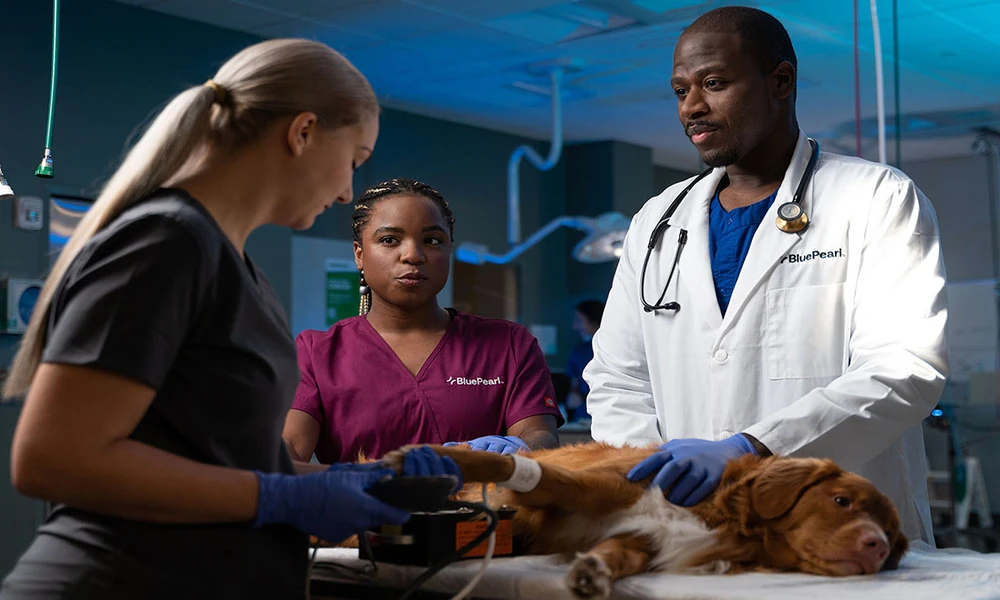
You might be here because something changed with your pet. Maybe it started with a small limp that did not go away, strange coughing at night, or lab results that your regular veterinarian in Central Boise said were “a bit concerning.” Now you are hearing words like “referral” and “specialist,” and you are not sure what that really means for you or your pet.end
It is normal to feel a mix of worry and confusion. You trust your veterinary hospital, yet the idea of bringing in another doctor can make you wonder if things are getting more serious, or if you are being sent somewhere else because your vet cannot help. You might also be thinking about cost, time off work, and how your pet will cope with more visits.
Here is the short version of what follows. Your regular veterinary hospital is usually the “home base” for your pet’s care. When your pet needs advanced testing, surgery, or treatment, your vet often works closely with board-certified specialists, sharing records, test results, and follow up plans. The goal is not to pass you on. The goal is to surround your pet with the right people, tools, and knowledge at the right time, while keeping your family veterinarian at the center of the story.
So how does this actually work in real life, and what does it mean for you and your pet day to day?
Why would my veterinary hospital suggest a specialist in the first place?
Often, the path starts with something simple. Your dog has chronic vomiting, your cat has trouble breathing, or your older pet suddenly has seizures. Your primary vet runs bloodwork, maybe takes X rays, and tries first line treatments. When things do not respond as expected, or when the problem is clearly complex, that is when the idea of a veterinary specialist referral usually appears.
This is not a sign that your vet is giving up. It is more like your family doctor recommending a cardiologist or neurologist. Veterinary specialists complete extra years of training and board exams in areas like internal medicine, cardiology, oncology, neurology, surgery, and more. If you want a simple, clear explanation of what that training looks like, you can read this overview of what a veterinary specialist is and how they are trained.
Because of this extra training, specialists often have access to advanced tools such as CT scans, MRIs, endoscopy, or complex chemotherapy protocols. Your regular veterinary hospital may not have this equipment on site, which is why collaboration becomes so important.
So where does that leave you as the pet owner who just wants to do the right thing without being overwhelmed?
What makes this situation emotionally and financially hard?
The emotional part comes first. When your veterinary hospital suggests involving a specialist, it can feel like the problem just became more serious. You might imagine worst case outcomes or fear that you missed something earlier. There can also be guilt. Did you wait too long to come in. Did you ignore small changes because life was busy. These thoughts are common, even if they are not fair to you.
Then the financial questions arrive. Advanced care is often more expensive. A full workup with a board-certified veterinary specialist can include imaging, procedures, or hospital stays that add up quickly. If you do not have pet insurance, you might feel forced into choosing between your savings and your pet’s treatment. Even with insurance, you may worry about what is covered and what is not.
On top of that, there is the practical side. Will the specialist be in the same building as your veterinary hospital. Will you need to drive across town or to another city. Who keeps track of records and medications. These are not small details, especially if you are juggling work, family, and other responsibilities.
Because of this tension, it helps to understand how collaboration actually works behind the scenes. Once you see that your primary vet and the specialist are usually on the same team, sharing information and planning together, the process can feel less like being “sent away” and more like your pet gaining extra support.
How do veterinary hospitals and specialists actually work together?
In many cases, your veterinary hospital acts as the coordinator. Your primary vet gathers your pet’s full history, lab results, imaging, and treatment notes, then sends them to the specialist before your appointment. This gives the specialist a head start so your visit can focus on deeper questions instead of repeating everything.
Sometimes the specialist is in the same building as your vet, especially in larger hospitals or referral centers. Other times, they are at a separate specialty practice or university hospital. Either way, the collaboration usually includes:
- Clear referral notes explaining what has already been tried and what questions need answers.
- Sharing of lab results, X rays, ultrasound images, and medication histories.
- Phone or email conversations between your primary vet and the specialist before and after your visit.
- Joint decision making on what is realistic for your pet and your family, not just what is medically possible.
After the specialist visit, many pets return to their regular veterinary hospital for ongoing care. The specialist might design a treatment plan that your primary vet can carry out, such as long term heart medications, recheck bloodwork, or follow up X rays. Your family vet remains your main contact, which can be a relief because you already know and trust them.
If you are wondering when a referral makes sense, you may find it helpful to review these guidelines on when to see a veterinary specialist and what to expect. They can give you language to use when you talk with your vet about next steps.
What are the tradeoffs of advanced collaborative care for my pet?
There is no single “right” answer for every family. To help you think clearly, it can be useful to compare some of the common options and tradeoffs when your veterinary hospital works with specialists for advanced care.
| Option | What it usually looks like | Benefits | Challenges |
|---|---|---|---|
| Stay with primary vet only | Your regular vet manages diagnosis and treatment using in house tools. | Lower cost. Familiar setting for your pet. Simple communication with one clinic. | May not have access to advanced imaging or procedures. Some complex conditions may be harder to diagnose or manage. |
| One time specialist consult | Your vet refers you for a single visit with a specialist who creates a plan for your primary vet to follow. | Expert input without long term specialist follow up. Your home clinic still leads day to day care. | Travel and consult cost. Some conditions may still require repeat specialist visits. |
| Ongoing specialist care | Your pet sees a specialist regularly for advanced treatments, with your primary vet handling routine needs. | Highest level of advanced care. Good for complex heart, cancer, or neurological cases. | Higher cost and time commitment. More appointments at multiple locations. |
| Shared teleconsultation | Your primary vet consults a specialist remotely, sharing records and images. | No extra trip for you. Expert review of complex cases. Often lower cost than an in person visit. | Limited by what can be done from a distance. Some cases still need an in person specialist exam. |
If you want to see common questions other pet owners ask about specialists, you might appreciate this FAQ resource on what veterinary specialists do and how referrals work.
What can I do right now to make this process smoother?
1. Ask your vet to walk you through the “why” behind the referral
Instead of just accepting or declining a referral, ask your veterinary hospital to explain what they hope the specialist will add. Questions you might use include:
- “What specific answers are you hoping the specialist can give us.”
- “What can the specialist do that cannot be done here.”
- “What are the risks if we delay or skip the referral.”
Hearing this clearly can help you decide if advanced specialty veterinary care fits your goals, budget, and your pet’s quality of life.
2. Gather and organize your pet’s medical information
Before you see a specialist, ask your veterinary hospital to send records in advance and also give you copies. This might include lab results, X rays, medication lists, and prior diagnoses. Keep your own simple timeline of symptoms and treatments. When you show up prepared, the specialist visit is usually more focused and efficient, which can save time and sometimes reduce repeat testing.
3. Be honest about your limits and priorities
You are allowed to say, “I cannot afford that,” or “My pet does not handle car rides well,” or “My priority is comfort, not aggressive treatment.” When your veterinary hospital and the specialist know your real constraints, they can adjust recommendations. Sometimes that means a modified plan your primary vet can manage. Sometimes it means focusing on comfort rather than cure. Clear communication helps everyone aim in the same direction.
How can you move forward with more confidence?
Hearing that your pet might need advanced care is never easy. It can stir up fear, money worries, and a sense that things are spinning out of your control. Yet when you understand how veterinary hospitals collaborate with specialists, the picture becomes less frightening. Your primary vet is not stepping aside. They are expanding your pet’s circle of care so that routine needs, complex decisions, and long term follow up all have the right support.
You do not have to say yes to every test or treatment to be a good pet owner. Your job is to ask questions, share your limits, and choose a path that respects both your pet’s comfort and your family’s reality. Your veterinary team and any specialists involved are there to guide you, not to judge you.
If you are feeling stuck, start with a conversation at your regular veterinary hospital. Ask whether a referral to a veterinary hospital specialist team would change the plan, and if so, how. Step by step, with clear information and honest dialogue, you can find a course of care that feels thoughtful, kind, and right for the pet you love.
