

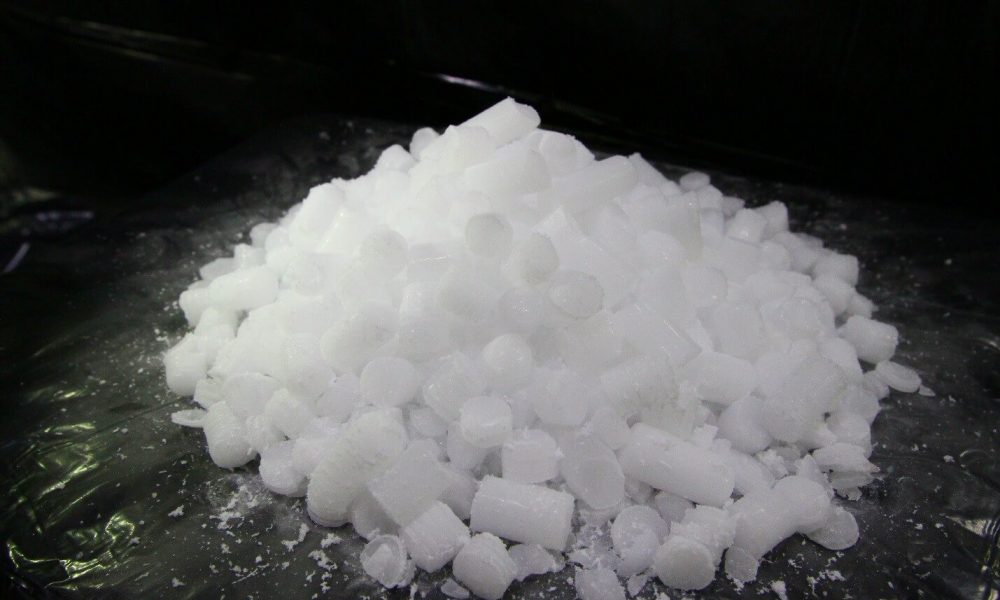
Miami depends on steady medical transport to keep its healthcare system moving. Hospitals, laboratories, and clinics send medicines and samples through the city each day. These items must stay within strict temperature ranges from the start of the journey until arrival. Dry ice makes this possible by maintaining strong and consistent cold levels. It protects supplies against heat and keeps them usable when patients need them. In warm regions, this method supports safe and reliable medical deliveries.
Keeps Temperature-Sensitive Medical Cargo Cool
The presence of a dry ice distributor near Miami branches gives healthcare providers a reliable source of cooling for their shipments. Dry ice holds very low temperatures that protect vaccines, blood units, and delicate medicines. It maintains steady conditions even when the outdoor heat is high. This level of cooling makes shipments more secure and dependable. Medical teams trust the process because supplies arrive ready for use. In Miami, steady performance from dry ice supports both patient safety and care.
Mess-Free Sublimation Eliminates Liquid Residue
Dry ice changes from solid form to gas without leaving water behind. This trait protects fragile containers, diagnostic kits, and sterile medical products. Miami’s humidity can create condensation with ordinary ice, but dry ice avoids this issue. Supplies remain dry and safe inside their packaging. Labels and seals also stay intact during the trip. Clean, residue-free delivery makes dry ice an effective option for medical shipments.
Prolonged Temperature Stability During Transit
Medical shipments sometimes face long routes or delays. Dry ice keeps its cooling effect longer than standard cold packs. This extended cold supply supports transport to other destinations. It gives blood, tissue, and special medicines the protection they require. Stable conditions help maintain their safety until they reach the right hands. For medical teams, steady cold during travel reduces risks in critical supply chains.
Safety Protocols To Handle Extreme Cold In Medical Logistics
Dry ice is extremely cold, and careful handling keeps both workers and shipments safe. Medical facilities in Miami follow clear steps that balance protection with efficiency.
Protective gear: Workers use gloves and face shields to guard against frostbite.
Training sessions: Staff learn how to handle, store, and move dry ice safely.
Safe storage: Containers are kept in areas that prevent direct contact and accidents.
Clear labeling: Packages carry visible warnings so handlers recognize the risks.
Emergency readiness: Teams keep first-aid support nearby for quick response.
Ventilation Requirements For Confined Medical Transport Spaces
Dry ice releases carbon dioxide gas as it changes form, which makes ventilation a vital part of safe transport. Proper air circulation keeps both workers and supplies protected during medical deliveries in Miami.
Airflow systems: Vehicles and storage rooms use vents or fans to allow gas to escape.
Regular checks: Teams inspect transport spaces to confirm that air moves freely.
Safe container choice: Shipments use boxes designed to allow gas release without weakening the cooling effect.
Worker awareness: Staff receive guidance on spotting poor airflow and fixing it quickly.
Vehicle design: Transport units include built-in ventilation that supports the safe movement of supplies.
Balanced safety: Clear circulation reduces risks while keeping medical cargo secure.
Dry ice plays an important role in Miami’s medical supply chain by protecting sensitive shipments from heat and damage. It offers clean performance, steady packaging solutions, and reliable cold storage. Safety rules and proper ventilation add protection for both workers and supplies. The support of a dry ice distributor near Miami helps healthcare providers maintain access to this valuable resource. Dry ice stands as a practical method for keeping medical shipments safe in a demanding climate.
