

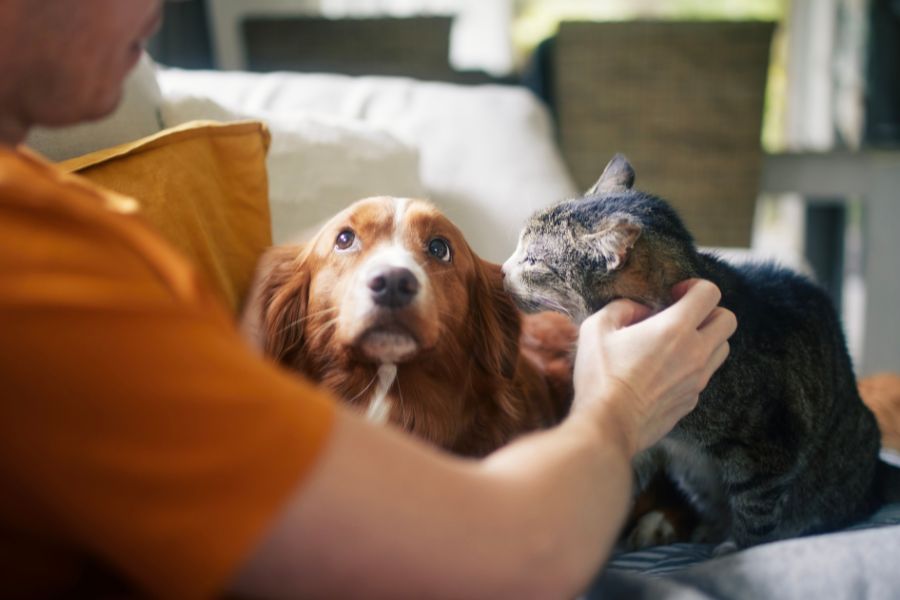
You might notice it starts long before you even reach the parking lot of a Lower Sackville veterinary clinic. Your pet senses the carrier or the leash, your heart rate picks up, and suddenly a simple checkup feels like an emotional storm. By the time you sit in the waiting room, you are juggling worry about a diagnosis, concern about the bill, and guilt that your pet is scared.end
If that sounds familiar, you are not alone. Veterinary visits can be stressful for both animals and humans, yet modern animal hospitals are quietly changing how they work to ease that burden. The short version is this. With thoughtful handling, better communication, and a focus on comfort, many hospitals can turn a visit from something you dread into something you can manage with a calmer mind and a more relaxed pet.
So where does that leave you as a pet owner who is already anxious and a little worn down by it all. It helps to understand what is making this so hard in the first place, and how an animal hospital can actively lower stress for you, not just treat your pet.
Why do vet visits feel so overwhelming in the first place?
The stress usually starts with uncertainty. You may be thinking, “Is my pet really sick. Did I wait too long. How much is this going to cost. Will I be judged for something I did or did not do.” Those questions sit in the back of your mind while you try to keep your animal calm, answer forms, and listen to medical terms you do not hear every day.
On top of that, your pet picks up on your tension. Research and practical experience show that dogs and cats read our body language. If you are on edge, they become more fearful. That fear can make exams harder, which then makes you feel worse. It becomes a loop that is hard to break.
Because of this tension, many pet owners delay care. A small issue turns into a bigger one, which often leads to higher costs and more complex treatment. The entire experience reinforces the idea that a vet visit is something to avoid, not a normal part of caring for a family member.
The good news is that thoughtful, low stress veterinary care is not wishful thinking. Many hospitals now use approaches supported by research and best practices to ease stress for both pets and owners. For example, Cornell’s guidance on making veterinary visits less stressful for dogs focuses on preparation, gentle handling, and positive experiences. When hospitals adopt these ideas, you feel the difference the moment you walk in.
How do animal hospitals actually reduce stress for you and your pet?
Understanding what a stress free vet visit looks like can help you know what to look for and what to ask for. Here are four key ways modern animal hospitals support both you and your pet.
1. Calmer environments that lower anxiety from the moment you arrive
Picture two scenarios. In the first, you walk into a crowded waiting room. Dogs are barking, a cat is howling in its carrier, and the TV is blaring. You wait without updates, your pet is shaking, and you feel helpless. In the second, the lobby is quieter. There are separate areas for dogs and cats. Staff speak softly and move with purpose. You are offered a room as soon as possible, or even asked to wait in your car until a room is ready.
That second scene is what many hospitals are working toward. Some use strategies similar to those described in Virginia Tech’s guidance on stress free veterinary trips. These include scheduling nervous pets at quieter times, reducing noise, and using pheromone diffusers to help animals relax. When your pet is calmer, you can think more clearly and ask better questions.
2. Gentle handling and “fear aware” exams that protect your bond
Rough handling or rushed exams can leave both you and your pet shaken. By contrast, “fear aware” or low stress handling focuses on slow, respectful movement, minimal restraint, and lots of observation before touching. Technicians may get a history from you while your dog sniffs the room or your cat explores the carrier door.
This style of care is not just about kindness, though that matters. It also allows the veterinary team to get better information. A relaxed pet has a more accurate heart rate and blood pressure and is easier to examine. That means fewer rechecks and less need for extra sedation, which reduces both emotional and financial strain on you.
3. Clear communication that tackles fear of the unknown
One of the biggest stressors for pet owners is not knowing what is happening or why. Medical terms can be confusing. Decisions can feel rushed. You may leave the hospital and realize you are not sure what the plan actually is.
Many animal hospitals are shifting toward more open, structured communication. This can include walking you through each step of the visit before it happens, using plain language instead of jargon, and checking your understanding before moving on. Some teams use written summaries or email follow ups so you are not trying to remember every detail while you are emotional.
Research on veterinary communication has found that when owners feel heard and informed, they report higher trust, lower anxiety, and better adherence to treatment. A review in the National Library of Medicine on stress and welfare during veterinary visits points out that clear communication and preparation reduce fear for both animals and owners. When you know what to expect, your nervous system can finally settle a bit.
4. Thoughtful planning around costs and follow up care
Stress is not only emotional. It is often financial. Worry about costs can make you feel trapped or ashamed, which can shut down honest conversation. A supportive hospital understands that and treats cost discussions as part of caring for you, not as a separate, awkward topic.
Some hospitals use written estimates with tiered options, explain what is urgent versus what can wait, and help you prioritize within your budget. They might also offer wellness plans, insurance support, or clear payment policies so you are not surprised later. This kind of transparency turns a scary unknown into a shared plan, which usually lowers your stress more than anything else.
What should you look for when choosing a lower stress animal hospital?
When you are already worried, comparing hospitals can feel like one more burden. A simple way to approach it is to look at how each place handles both the pet’s experience and your own comfort.
| Aspect | Higher Stress Experience | Lower Stress, pet owner friendly hospital
|
|---|---|---|
| Waiting environment | Crowded lobby, long waits, little communication | Quieter space, shorter waits or car check in, regular updates |
| Handling of your pet | Rushed exams, firm restraint, little time for your pet to adjust | Slow approach, gentle handling, time for your pet to explore and calm |
| Communication with you | Medical jargon, limited questions, unclear next steps | Plain language, space for questions, written or verbal summary of the plan |
| Cost discussions | Vague estimates, surprise add ons, pressure to decide quickly | Transparent estimates, options by priority, supportive payment discussion |
| Support after the visit | You leave unsure who to call or what to watch for | Clear instructions, follow up call or email, easy contact for concerns |
If a clinic is open to talking about these points and describes how they aim for low stress vet visits, that is a good sign they are paying attention to your experience, not just the medical side.
Three steps you can take right now to make vet visits easier
You cannot control everything that happens at an animal hospital, yet there are a few simple actions that can ease pressure for both you and your pet.
- Call ahead and share your worries
Before your appointment, call the hospital and explain that your pet and you both get anxious at the vet. Ask if they have low stress or fear aware protocols. Simple adjustments like scheduling a quiet time of day, waiting in the car, or going straight to an exam room can make the visit feel very different.
- Prepare your pet in small, gentle steps
At home, get your pet used to the carrier, car, or leash in a calm way. For dogs, take relaxed car rides that do not end at the clinic. For cats, leave the carrier out with soft bedding and treats inside. Over time, the vet trip becomes just one of many neutral or positive experiences, not the only time those items appear.
- Bring a short list of questions and concerns
When you are emotional, it is easy to forget what you meant to ask. Write down your top three questions or worries before you go. Hand the list to the technician or veterinarian at the start of the visit. This keeps the conversation focused on what matters most to you and prevents that sinking feeling of remembering something only after you get home.
Moving forward with more confidence and less fear
You care deeply about your pet, which is why these visits feel so heavy. That care is not the problem. The problem is that for a long time, veterinary care has not always been designed with your emotional experience in mind. That is changing, and you are allowed to ask for a calmer, kinder approach.
As you look ahead, remember that you are not “too anxious” or “too sensitive.” You are a person trying to make good decisions for a family member who cannot speak. With the right animal hospital and a few small preparations, each visit can feel a little more manageable, a little more respectful of both you and your pet.
You do not have to fix everything at once. Start with one step. Call your chosen clinic, share your concerns, and ask how they support stress reduction for pets and owners. That single conversation can be the beginning of a very different experience the next time you walk through the door.
