

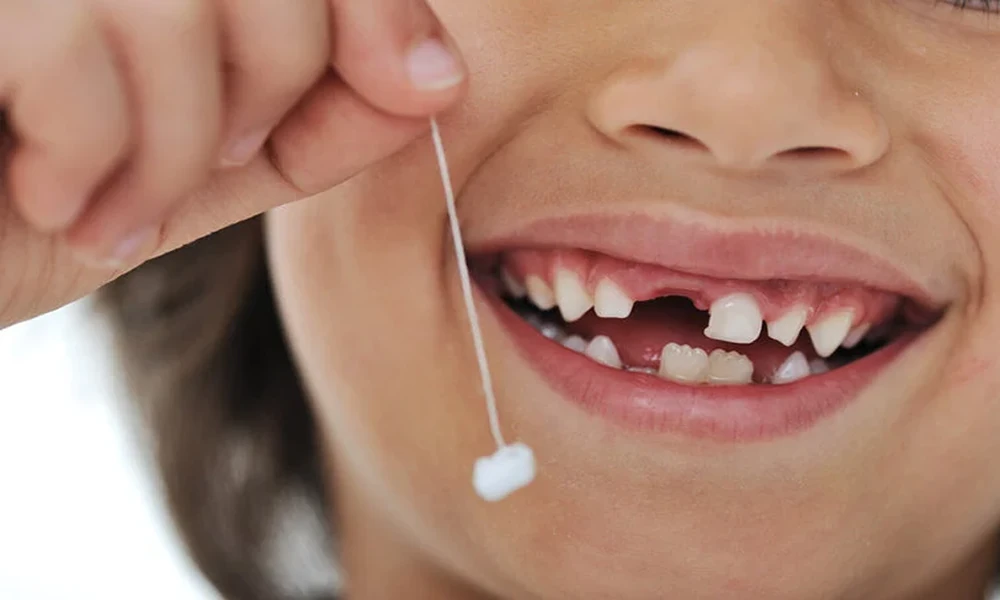
You look in your child’s mouth and there it is, a new tooth coming in behind the baby teeth. No loose tooth, no warning, just a permanent molar showing up where you did not expect it. That can feel unsettling fast. Most parents assume adult teeth only come in after baby teeth fall out, so when a back tooth appears early, it is easy to worry that something is wrong. If you have concerns, a pediatric dentist in Riverside County can help explain what is happening and whether treatment is needed.
In many cases, it is not wrong at all. The first permanent molars often erupt behind the baby molars, which means adult molars can come in before baby teeth are lost. These are often called six year molars because they usually appear around age six, though timing varies. They do not replace baby teeth. They come in at the back of the mouth as brand new teeth, and they matter more than many parents realize because they help shape the bite and guide future tooth alignment.
First Permanent Molars Often Erupt Behind Baby Teeth
The surprise comes from how these teeth arrive. Front teeth usually follow the pattern most people expect. A baby tooth loosens, falls out, and a permanent tooth replaces it. Molars are different. The first permanent molars usually erupt behind the last baby molars, so there is no baby tooth to lose first. If your child has a new tooth in the very back, this may simply be a normal stage of development.
You may hear this described as first permanent molars erupting before baby teeth fall out. That phrase sounds technical, but the idea is simple. These are new adult teeth entering the mouth in their own space. According to the National Institute of Dental and Craniofacial Research, children commonly begin getting permanent teeth around age six, including first molars. Their child friendly guide to teeth and oral health shows how baby and permanent teeth develop.
This is one reason parents sometimes miss them. A back tooth does not get the same attention as a wiggly front tooth, and a child may not mention it unless the gum feels sore. These molars can look like “extra” teeth, when they are actually some of the most important teeth in the mouth.
Why Early Permanent Molars Deserve Attention
Even when this timing is normal, it still deserves attention because these teeth are at high risk for cavities soon after they erupt. Their grooves are deep, they are hard for children to brush well, and they sit far back where food and plaque collect. If a child still thinks of them as “just more kid teeth,” brushing may not improve right away.
That creates a common problem. A permanent molar comes in quietly, nobody notices for a while, and decay starts before the tooth is fully established. Since these teeth are meant to last for life, early damage matters. A pediatric dentist can check whether the tooth is erupting in the right position, whether the gums are healthy, and whether sealants might help protect it.
Sometimes the issue is not the molar itself but crowding. If your child’s mouth is small or other teeth are not moving as expected, a new molar may seem to come in at an odd angle. You might also notice tenderness, cheek biting, or trouble brushing the area. In those cases, a professional exam gives you a clearer answer than waiting and hoping it sorts itself out.
If you want a quick visual of where molars sit, this tooth anatomy image can help. For a broader review of eruption patterns and oral development, the NCBI also provides a useful overview of oral anatomy and tooth structure.
Pediatric Dentist Care Helps Distinguish Normal Eruption From a Problem
A new back tooth is often normal. Pain that lingers, swelling, drainage, fever, or a tooth that appears trapped under gum tissue is not something to brush off. The same goes for a tooth erupting far inside or outside the dental arch. You do not need to guess whether your child is dealing with routine eruption or a problem that needs treatment. A pediatric dentist can sort that out quickly.
This matters emotionally too. Dental surprises tend to show up at bedtime, during brushing, or right before school, when everyone is already tired. You may be trying to calm a child who says it hurts while also searching photos online and comparing what you see. Getting a clear exam often lowers stress for both of you because you finally know whether this is a normal milestone or something that needs a plan.
Normal Eruption and Warning Signs Are Not the Same
| What You Notice | Often Normal | Needs a Dental Check Soon |
|---|---|---|
| New tooth behind baby teeth | Common with first permanent molars | If the area is very swollen or your child cannot chew |
| Mild gum soreness | Can happen as the tooth erupts | If pain is strong, lasts, or wakes your child at night |
| Tooth looks hard to clean | Back molars are harder for kids to reach | If food packs around it or the gum stays irritated |
| Tooth seems “extra” | May be a normal six year molar | If position looks very crooked or blocked |
| No baby teeth have fallen out yet | Can still be normal for first molars | If other eruption delays or crowding are present |
What You Can Do Right Away
Check the location of the tooth. If the new tooth is behind the last baby tooth, it may be a first permanent molar. Make a note of when you first saw it and whether your child has pain, swelling, or trouble chewing.
Upgrade brushing tonight. Help your child brush the very back teeth with a soft brush and fluoride toothpaste. Children often miss this area. Gentle brushing along the gumline matters because partially erupted molars trap plaque easily.
Schedule a pediatric dental exam. This is the fastest way to confirm whether the tooth is erupting normally and whether it needs extra protection such as sealants. If your child has significant pain, swelling, or fever, do not wait.
Permanent Molars Before Tooth Loss Are Often Normal
If permanent molars can arrive before any baby teeth fall out, your child is not automatically having a dental problem. In many cases, this is exactly how the first adult molars come in. The real issue is making sure those teeth are clean, protected, and monitored early. If something looks off or your child is uncomfortable, schedule a visit with a pediatric dentist and get a clear answer before a small concern turns into a bigger one.
