

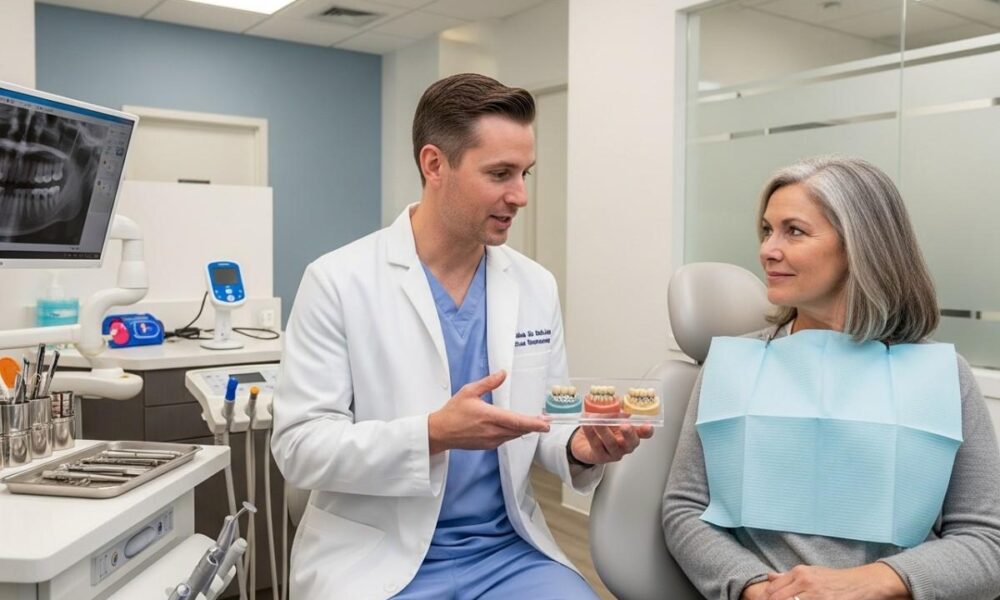
A strong smile changes how you move through each day. It shapes how you speak, laugh, and meet new people. When your family has steady dental support, you gain more than clean teeth. You gain calm, trust, and control. This blog shares 5 family dentistry strategies that help you and your children feel safe in the chair and proud of your smiles. You will see how simple habits, honest talks with your dentist, and smart treatment choices build steady confidence at every age. You will also learn how options like clear aligners in Atlanta fit into a family plan that respects busy schedules and tight budgets. Each strategy is clear, practical, and easy to start. You deserve a smile that feels strong and true. Your family does too.
1. Build three daily habits that never move
Your home routine shapes every checkup. Strong habits reduce cavities, pain, and fear. They also give your children a sense of control.
Focus on three steady habits.
- Brush for two minutes, two times each day
- Clean between teeth once each day
- Drink water instead of sweet drinks most of the time
The Centers for Disease Control and Prevention explains that brushing with fluoride toothpaste cuts tooth decay for children and adults.
To help your family stick with these habits, try this simple plan.
- Morning. Brush after breakfast. Use a timer or a short song.
- Evening. Brush and floss before any screen time or reading.
- All day. Keep refillable water bottles ready near the sink or door.
Children watch what you do. When they see you brush and floss, they learn that mouth care is normal and nonnegotiable. That quiet message builds trust and pride.
2. Create a calm routine for every dental visit
Dental fear often starts in childhood. It grows when visits feel rushed or confusing. You can protect your children from that fear with a simple visit routine.
Use three steps before each appointment.
- Explain. Use plain words. Say, “The dentist will count and clean your teeth.” Avoid scary terms.
- Practice. Play “dentist” at home. Let your child hold a mirror and look at your teeth.
- Plan. Pack a comfort item such as a toy, book, or music with headphones.
During the visit, sit where your child can see you. Invite your child to ask questions. Ask the dentist to explain each step in simple words before it starts.
After the visit, praise effort, not “perfect” behavior. Say, “You opened your mouth when the dentist asked. That took courage.” This kind of praise builds confidence that lasts.
3. Use preventive care to stay ahead of problems
Preventive care keeps small problems from turning into pain, missed school, or urgent visits. It also protects your budget.
The National Institute of Dental and Craniofacial Research shares data that routine dental visits and fluoride reduce tooth decay across all ages.
Ask your dentist about three key tools.
- Regular checkups and cleanings, usually every six months
- Fluoride treatments for children and adults at higher risk of decay
- Sealants on permanent molars for children
Here is a simple comparison table you can review before your next visit.
|
Preventive step |
Who benefits most |
Main goal |
|---|---|---|
|
Regular checkups and cleanings |
All family members |
Find and treat problems early |
|
Fluoride treatments |
Children and adults with frequent cavities |
Strengthen tooth enamel |
|
Dental sealants |
Children with new permanent molars |
Protect grooves on back teeth from decay |
When you keep up with these three steps, you reduce the need for fillings and extra visits. That stability supports steady confidence for your whole family.
4. Choose orthodontic options that fit real life
Aligned teeth help you chew, speak, and clean more easily. They also change how you feel when you smile. Many families think braces are only for teens. In truth, children, teens, and adults can all benefit when teeth and jaws fit together well.
Talk with your dentist about three questions.
- Is now the right time to start treatment
- Which teeth or jaw issues matter most for health
- Which options fit your daily life
Traditional braces use brackets and wires. They work well for many complex cases. Clear aligners use removable trays that move teeth step by step. They can make brushing and flossing easier during treatment and may fit better with work or school life.
Here is a simple comparison.
|
Feature |
Traditional braces |
Clear aligners |
|---|---|---|
|
Visibility |
Visible on teeth |
Hard to see on teeth |
|
Eating |
Food limits such as sticky or hard foods |
Remove trays during meals |
|
Cleaning |
Brush and floss around brackets and wires |
Remove trays to brush and floss |
|
Visit schedule |
Adjustments at set intervals |
Tray checks and progress visits |
When treatment fits your real life, you and your children are more likely to follow the plan. That steady progress leads to confident smiles that feel earned.
5. Use simple, honest language about teeth and feelings
Words shape how your family thinks about mouth care. Harsh words create shame and silence. Clear and kind words create courage.
Try three shifts in how you talk.
- Replace blame with teamwork. Say, “Let us work with the dentist to fix this cavity.”
- Replace fear with facts. Say, “You may feel pressure. You should not feel sharp pain. If you do, raise your hand.”
- Replace judgment with support. Say, “It is hard to floss every day. Let us find a time that works.”
Invite your children to share worries before and after visits. Listen without rushing to fix every feeling. When you treat questions with respect, you teach that care for teeth and care for emotions go together.
Over time, these five strategies work together. Strong habits, calm visits, preventive care, smart orthodontic choices, and honest talk create a home where mouth care feels normal and safe. In that kind of home, confident smiles grow naturally and stay with your family for life.
