

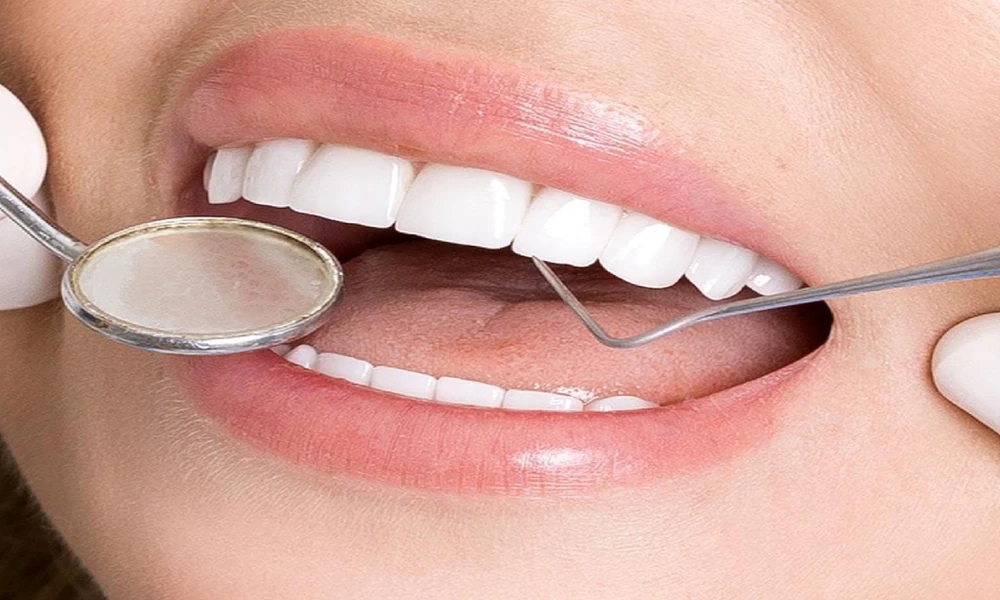
You brush, you floss when you can, and life still gets in the way. A toddler fights the toothbrush, a teenager forgets a retainer, an adult puts off a cleaning because work is packed, and an older parent says their mouth feels dry but does not want to make a fuss. That is real life. Oral health often slips down the list until pain, bleeding gums, or a broken tooth forces it back to the top, and some people may even need to restore missing teeth with dental implants in Denton TX.
The core issue is simple. Small dental problems grow when they are ignored, and they rarely stay small for long. How preventive dentistry protects smiles across every life stage comes down to early care, steady habits, and regular visits with a family dentist who sees the patterns before they turn into bigger, more expensive problems.
Preventive dental care works differently at each age, but the goal stays the same
Children need help building habits and catching issues early. Cavities can start fast, and baby teeth matter more than many parents realize. They hold space for adult teeth, support speech, and affect eating. When decay shows up early, children may deal with pain, missed school, and trouble focusing.
Teens often look healthy on the surface while their risk quietly rises. Sports injuries, braces, sugary drinks, and inconsistent brushing all add up. This is also the age when skipping routine care feels harmless. It is not. A small spot of decay can turn into a filling, then a crown, then a root canal years later.
Adults know the pattern too well. You mean to schedule a cleaning, then months pass. Bleeding gums seem minor. Jaw pain feels like stress. Sensitivity becomes something you work around. According to the CDC, adult oral health tips focus on daily care, regular dental visits, and risk factors like tobacco, diabetes, and dry mouth because those issues raise the chance of gum disease and tooth loss.
Older adults face another layer. Medications can reduce saliva, making decay more likely. Gums may recede. Dentures, bridges, implants, and natural teeth all need care. The National Institute on Aging explains that taking care of your teeth and mouth as you age includes watching for dry mouth, cleaning dental appliances properly, and reporting changes early. Waiting often means harder treatment and more discomfort.
This is why preventive dental care matters. It meets you where you are, whether you are bringing in a child for a first visit or trying to keep your own teeth healthy for decades.
Skipping routine dental care often costs more than people expect
The stress is not only physical. It is financial and emotional too. A routine exam and cleaning usually feel manageable. An emergency visit for infection, swelling, or a cracked tooth can disrupt your whole week and your budget. You may need time off work, child care, prescriptions, or follow-up treatment. That is a heavy price for something that often started with plaque, tartar, or a cavity that did not hurt yet.
Research also shows oral health connects to overall health in ways people feel every day. The National Institute of Dental and Craniofacial Research report on oral health in America describes how oral disease affects pain, nutrition, speech, sleep, and quality of life across the lifespan. If your mouth hurts, eating changes. If chewing changes, nutrition can suffer. If infection spreads, the problem stops being “just dental” very quickly.
A family dentist helps because care becomes consistent. Instead of starting over every few years with a new office, your history is known. Changes are easier to spot. Advice fits your age, habits, and risks. That continuity matters more than people think.
Preventive dentistry and delayed care lead to very different outcomes
| Situation | Preventive Approach | Delayed Care |
|---|---|---|
| Child with early plaque buildup | Cleaning, fluoride, brushing coaching, diet guidance | Cavities, pain, fillings, fear of future visits |
| Teen in braces | Routine checks, hygiene support, mouthguard advice | Decalcification, gum irritation, sports injury |
| Adult with bleeding gums | Early gum treatment, home care changes, regular cleanings | Periodontal disease, bone loss, loose teeth |
| Older adult with dry mouth | Medication review, saliva support, frequent monitoring | Rapid decay, mouth sores, denture problems |
Preventive oral care for every age is not about perfection. It is about catching change early enough to keep treatment simpler. That can mean fluoride varnish for a child, sealants for cavity-prone molars, a night guard for grinding, periodontal maintenance, oral cancer screening, or a conversation about medication side effects. The right step depends on the person, not just the age.
Small actions now make family dental care easier later
1. Book routine visits before there is a problem.
Put exams and cleanings on the calendar the same way you handle school forms or annual checkups. Families do better with fixed recall dates because nobody has to decide from scratch every six months.
2. Match home care to the life stage.
Young children need hands-on help brushing. Teens need reminders that sports drinks, snacking, and braces change risk. Adults may need to focus on flossing, grinding, or gum health. Older adults may need products for dry mouth or help cleaning dentures and bridges. Generic advice misses too much.
3. Treat early warning signs as worth your time.
Bleeding when you brush, bad breath that sticks around, sensitivity, sores, jaw pain, dry mouth, and loose dental work all deserve attention. These are not small annoyances to push through. They are signs your mouth is asking for help.
Family dentist visits support lifelong oral health
A healthy smile is not built in one appointment. It is protected over time, one cleaning, one good habit, one early fix at a time. If your family has fallen behind, that does not mean you failed. It means now is a good time to restart. A trusted family dentist can help you protect comfort, function, and confidence at every age.
Schedule the next visit and get ahead of problems before they grow.
