

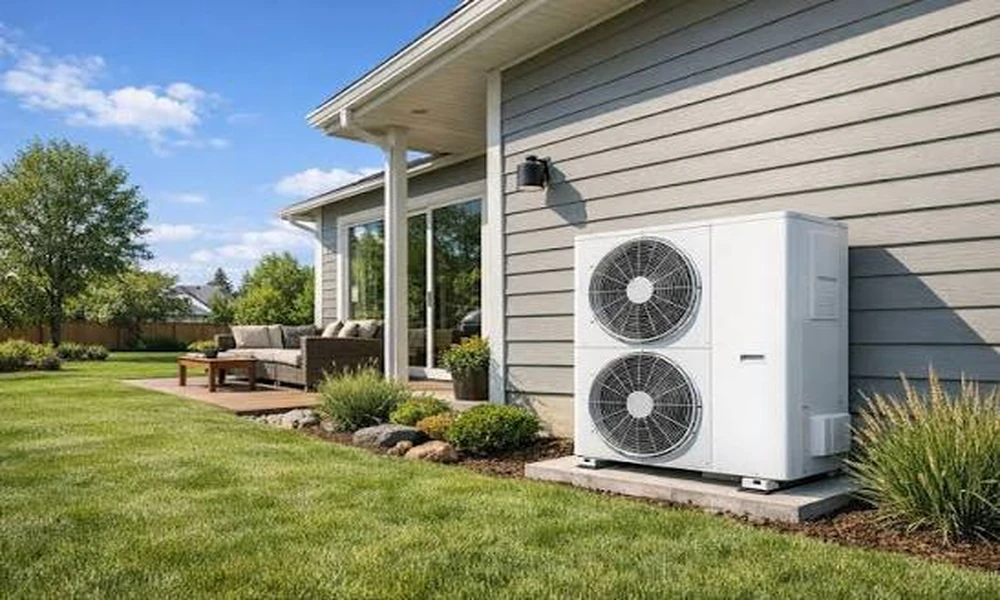
Keeping a home comfortable throughout the year does not always mean using more energy. The right heating and cooling system, combined with proper care, can help maintain a comfortable indoor environment while making better use of energy. Heat pumps are designed to move heat rather than create it, making their performance closely linked to correct installation, maintenance and servicing.
Choosing efficient heat pump services can help homeowners keep their systems operating as intended. Professional attention can identify issues that may affect performance, from restricted airflow to poor system settings. Regular care also gives homeowners an opportunity to address smaller problems before they develop into more disruptive repairs.
Why Heat Pump Efficiency Matters
A heat pump works by transferring heat between your home and the outside environment. Depending on the system and season, it can provide heating or cooling. Because it transfers heat rather than relying solely on generating it, its performance depends on several factors.
When a system is poorly maintained or incorrectly configured, it may struggle to provide the expected level of comfort. It can also run for longer periods, particularly when airflow is restricted or components are not working correctly. Improving efficiency therefore starts with looking at the whole system rather than focusing on one component.
Professional Installation Sets the Foundation
The quality of installation can have a lasting effect on heat pump performance. A correctly sized and properly installed system should be suited to the property and its heating and cooling requirements.
Professional installers can assess factors such as the size and layout of the property, existing ductwork and airflow, the position of indoor and outdoor components, thermostat requirements, and insulation. Professional heat pump services can also help ensure that installation and system requirements are properly assessed from the beginning.
Regular Maintenance Helps Protect Performance
Even a well-installed heat pump needs ongoing attention. Dust, dirt and general wear can gradually affect how effectively the equipment operates. Regular care can help maintain airflow and identify potential problems before they become more disruptive.
Routine maintenance can include checking filters, inspecting electrical connections, examining system components and ensuring airflow is not unnecessarily restricted. Outdoor units should also be kept clear of leaves, debris and other obstructions so the system can operate without avoidable restrictions.
Watch for Signs of Reduced Efficiency
Changes in performance should not be ignored. A heat pump that once maintained comfortable temperatures but now struggles may need attention. Recognising these changes early can help homeowners decide when professional inspection is appropriate.
Common signs can include longer operating times, uneven temperatures between rooms, reduced heating or cooling performance, unusual sounds or smells, frequent cycling and higher energy use without an obvious change in usage. These signs do not necessarily indicate a major fault, but they are worth investigating.
Use Your Heat Pump Wisely
Everyday settings can also influence system performance. Constantly making large temperature changes may cause the system to work harder than necessary. Instead, use the thermostat thoughtfully and follow the manufacturer’s recommendations for your particular model.
Keeping doors and windows closed while heating or cooling can also help maintain indoor temperatures. Likewise, reducing draughts and improving insulation can reduce the amount of heating or cooling your home needs. Avoid blocking vents or indoor units with furniture, as good airflow helps distribute conditioned air effectively.
Choose Servicing Based on Quality
When arranging professional heat pump work, price should not be the only consideration. Look for a reputable provider with appropriate qualifications, relevant experience and a clear approach to servicing. It is also sensible to ask what the service includes before making a decision.
A useful service should assess the system as a whole rather than simply addressing an obvious problem. Homeowners should also follow the manufacturer’s maintenance recommendations and keep records of professional servicing. These records can be useful when monitoring recurring problems or planning future maintenance.
Conclusion
A more efficient home does not necessarily require replacing every part of an existing heating and cooling system. Often, better results start with sensible choices, proper installation, regular maintenance and timely professional attention.
Heat pump services can help homeowners understand how their equipment is performing and address issues that may reduce comfort or efficiency. Combined with sensible thermostat use, good airflow and suitable home insulation, professional care can help a heat pump remain reliable and effective throughout the year.
