

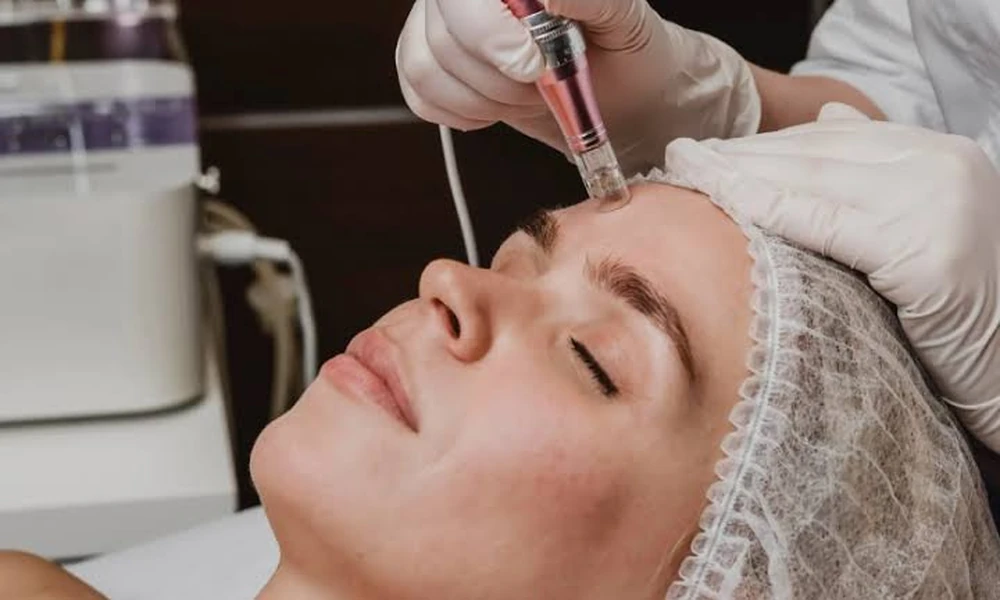
Post-procedure skin is a specific tissue state, and glow peptide stack combinations behave differently here than on intact skin. The barrier is compromised, surface layers are reduced, inflammation is elevated, and collagen infrastructure is partially disrupted. Behaviour in this context follows the skin’s actual condition rather than normal function, and the five sections below describe each aspect in the order recovery moves through them.
Post-procedure skin condition
Post-procedure skin condition starts from what is missing. Barrier integrity is partially or fully lost, leaving water loss at rates intact skin never sees. Surface cell layers are reduced depending on procedure depth, removing the continuous protection normal skin holds. Inflammatory signalling runs high, appropriate for initiating repair but sensitising tissue to anything introduced before the surface stabilises. Collagen infrastructure is disrupted at treatment depth, with repair triggered but not yet organised. Dermal water content falls below normal as the open surface loses moisture faster than underlying tissue replaces it.
Glow combination timing
Glow combination timing decides whether the stack supports recovery or adds stress to tissue already at peak demand. Early introduction carries risk because a compromised barrier produces unpredictable absorption, and inflamed tissue reacts more intensely than settled skin. Introduction becomes appropriate once the surface has closed enough to regulate entry. For surface-level procedures, the window opens within the first few days; for deeper work, it takes longer. Timing follows surface closure.
Procedure barrier response
Procedure barrier response to combination use follows a pattern, post-procedure tracking consistently confirms:
- Water loss readings fall within the first consistent application days.
- Barrier closure pace meets or exceeds untreated recovery in comparison records.
- Hydration beneath the surface rises as the seal tightens above it.
- Component absorption stabilises as barrier integrity returns toward the normal range.
Post procedure collagen behavior
Post-procedure collagen behaviour differs from intact skin in two ways. Construction signals are already elevated from the procedure’s own repair trigger, so the combination joins an active process rather than starting a resting one. Fibroblast activity runs higher in the opening weeks than the same formula produces on undisturbed skin, and growth signalling response arrives faster as a result. Collagen produced in early post-procedure repair is emergency material rather than an organised fibre. Combination use during this phase supports the remodelling that converts emergency construction into an aligned structure. Visible improvement concentrates in that remodelling window rather than the initial construction period, which is why post-procedure combination use runs across weeks rather than days.
Combination calming action
Combination calming action draws on copper tripeptide antioxidant enzyme support, which reduces the oxidative load that prolongs inflammation past its useful window. Elevated post-procedure inflammatory signalling is appropriate early and damaging if sustained. Consistent combination use from the right introduction point moderates inflammatory tone without suppressing the repair signals recovery depends on, keeping the inflammatory phase on schedule rather than letting it run into the remodelling period, where it works against the construction already underway.
Glow peptide combinations behave on post-procedure skin through five responses tied to the deficit condition they meet: barrier components slow water loss on arrival, timing follows surface closure rather than preference, barrier recovery accelerates alongside natural repair, collagen behaviour runs faster and converts to organised structure in the remodelling window, and calming action keeps inflammation on its proper schedule. Timing and concentration discipline matter more here than anywhere else in combination use.
