

You might be feeling like you did everything right. You brought your child to the orthodontist early, or you have finally worked up the courage to fix your own smile with periodontics in Aurora, yet you are being told that “there isn’t enough bone” or that your case is “more complex than usual.” It can sound technical and distant, but what you hear underneath is simple. This might be harder, longer, and cost more than you expected.end
Because of that, you might be wondering if you are about to start something overwhelming. You may picture surgery, long recovery, or treatment that spirals out of control. At the same time, you probably just want a healthy, stable bite that does not fail a few years down the road.
The short version is this. When the jawbone is thin, damaged, or missing in key areas, moving teeth with braces or aligners can be risky. Bone grafting can rebuild and strengthen those areas so teeth have a solid foundation. In complex orthodontic cases, the partnership between a periodontist and an orthodontist often turns a “borderline” case into a stable, predictable one.
Why bone and gums matter so much before moving teeth
Orthodontic treatment focuses on moving teeth into better positions. Yet every tooth is held in place by bone and gum tissue. If those supporting structures are weak, even perfectly straight teeth can become loose, sensitive, or unstable over time.
Think about a fence post. You can line up the posts in a straight row, but if the soil around them is eroded or too shallow, they will wobble as soon as there is pressure. Teeth work the same way. When the bone around roots is too thin or has been lost to gum disease, orthodontic movement can make things worse instead of better.
This is where a periodontist, who focuses on gums and bone, and an orthodontist, who focuses on tooth movement, need to work together. In many complex cases, the safest path is to first repair or build up the bone with grafting, then move the teeth through that healthier foundation.
What makes a case “complex” enough to need bone grafting?
You may be asking yourself, “Why can some people just get braces, while I am being told I need more?” It often comes down to the condition of your jawbone and gums. Here are some common situations where grafting is considered.
One scenario is long-standing crowding. When teeth are severely crowded and pushed outside the natural shape of the bone, the outer bone can be very thin. If teeth are moved further through this fragile area, the bone can break down and the gums can recede. A targeted bone graft for orthodontic support can thicken that area first, so the tooth stays covered by bone as it moves.
Another scenario is past gum disease. If you have had periodontitis, you might already have lost some bone around your teeth. Moving those teeth without reinforcing the support can increase the risk of mobility or future tooth loss.
There are also cases with missing teeth, especially in the front. The orthodontist may want to open space to place an implant later. However, if the bone in that gap has shrunk, an implant will not hold. Grafting can rebuild the ridge, so orthodontics and implant planning work together, not against each other.
Under all of this is a quiet emotional pressure. You are not just straightening teeth for looks. You are investing time, money, and energy, and you want to know it will last. Bone grafting can feel like “extra,” yet in complex situations it is what helps turn a cosmetic fix into long-term health.
How bone grafting works, and what it means for your treatment
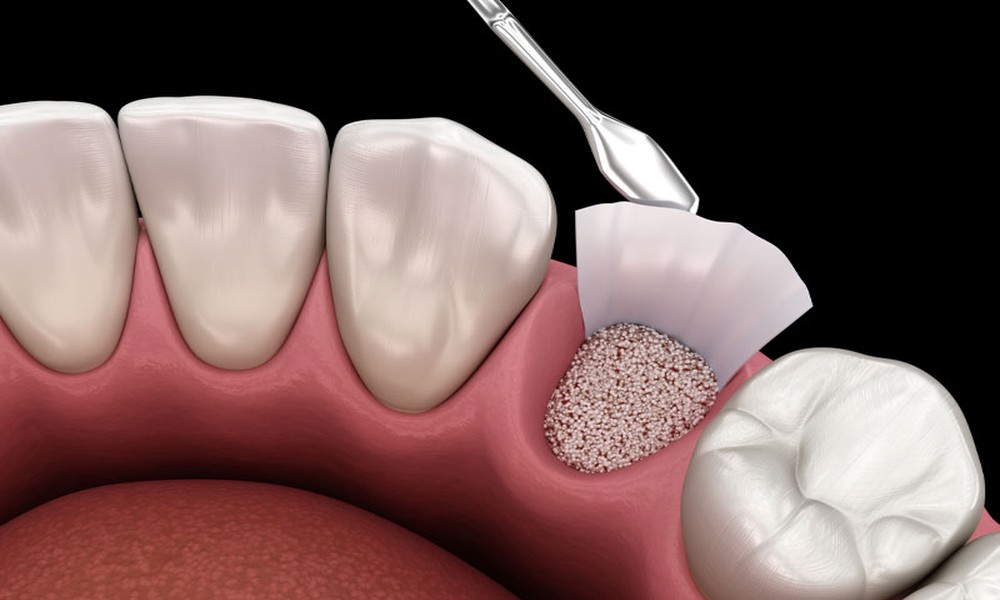
Bone grafting sounds dramatic, but in many dental cases it is a focused, controlled procedure. The goal is to encourage your body to grow new bone where it is thin or missing.
Your periodontist may use a small amount of graft material placed around the tooth root or in a ridge where a tooth is missing. Over time, your body replaces that material with your own bone. Research in advanced dental materials has improved the way these grafts support natural healing, which means more predictable results for complex orthodontic care.
In some cases, the graft is done before orthodontic treatment. In others, it is done during treatment in specific areas where the orthodontist plans to move teeth. This kind of coordinated planning is one of the strengths of working with both a periodontist and orthodontist as a team.
It may help to know that bone and gum procedures are not experimental add-ons. They are grounded in decades of research in regenerative dentistry and medicine, which looks at how to help the body rebuild tissues instead of just replacing them.
So where does that leave you when you are weighing your options?
When you hear you might need grafting, several questions show up at once. Will this hurt. How long will it take. Is it worth the cost. And what happens if you skip it and just go ahead with braces or aligners.
These decisions are not only clinical. They are emotional and financial, especially when you are making them for a child or for yourself after years of putting treatment off.
To give you a clearer picture, here is a simple comparison of orthodontic treatment with and without bone grafting in complex cases. Every person is different, but this can help you frame your thoughts before you talk with your care team.
| Factor | Orthodontics without Bone Grafting (High-Risk Cases) | Orthodontics with Bone Grafting Support |
|---|---|---|
| Main goal | Straighten teeth despite thin or damaged bone | Strengthen bone first, then straighten teeth on a stable base |
| Short-term treatment length | Often a bit shorter, since there is no healing time for grafts | Slightly longer due to graft placement and healing |
| Risk to gums and roots | Higher risk of gum recession, root exposure, or loose teeth | Lower risk, because bone support is reinforced |
| Long-term stability | More chance of relapse or damage, especially in severe crowding | Better chance of stable, healthy results |
| Cost | Lower up front, but may lead to more repairs later | Higher now, but may reduce future periodontal or restorative costs |
| Who usually manages care | Orthodontist alone | Team approach with periodontist and orthodontist |
For some people, orthodontic treatment without grafting can still be safe. For others, especially those with gum disease history or very thin bone, moving forward without grafting can feel like building a house on soft ground.
What practical steps can you take right now?
When you are caught between wanting progress and worrying about risk, it helps to focus on actions you can control.
1. Ask for a clear, written treatment plan from both specialists
If you are seeing a periodontist and orthodontist, ask each of them to explain, in plain language, why bone grafting is or is not recommended. Request that they share imaging, such as X rays or 3D scans, and point out the areas of concern. Ask questions like:
- What happens if I choose not to do grafting.
- How will grafting change the way my teeth can be moved.
- What is your plan to protect my gums and roots during treatment.
Seeing your case laid out step by step helps reduce fear and replaces it with informed choice.
2. Understand the procedure, healing, and risks in simple terms
Before you agree to any grafting, make sure you are comfortable with what will actually happen. You can review trusted medical information about bone grafts and oral surgery on resources like MedlinePlus. Bring what you read back to your providers and ask how it applies to your situation.
Ask about pain control, how long you will need to protect the area, and what signs would mean you should call the office. When you know what to expect, the idea of grafting usually feels less intimidating.
3. Plan for long-term maintenance, not just the straightening phase
Bone grafting and orthodontics are only part of the story. What you do after treatment protects your investment. Work with your team to create a maintenance plan that includes:
- Regular periodontal checkups to monitor bone and gums.
- Daily home care tailored to your risk, such as interdental brushes or water flossers.
- Consistent use of retainers so teeth stay in their new, supported positions.
When you view grafting and orthodontics as one combined journey toward a stable bite, the decisions you make now feel more purposeful and less like a series of disconnected procedures.
Moving forward with confidence, not fear
You may still feel a mix of relief and worry. Relief that there are ways to support complex orthodontic treatment, and worry about surgery, cost, or “what if it goes wrong.” That tension is normal. It simply means you care about making a wise choice.
The good news is that modern orthodontic and periodontal treatment is not guesswork. It is guided by detailed imaging, established research, and a growing understanding of how to help the body rebuild bone and gum tissue. With the right team and a clear plan, bone grafting can turn a fragile situation into a stable one, so your smile is not only straighter, but also stronger.
You do not have to decide everything at once. Start with a calm, honest conversation with your care team. Ask your questions. Share your concerns. From there, you can choose the path that supports both your health and your peace of mind.
