

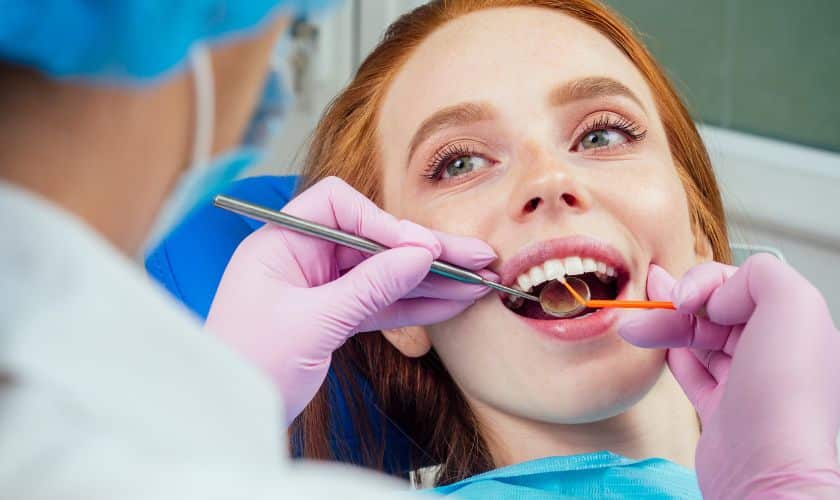
You might be feeling it every time you smile in a photo with your kids, or when you remind them to brush their teeth while secretly worrying about your own. Maybe you used to feel comfortable grinning wide, and now you catch yourself pressing your lips together, hiding stains, chips, or gaps. It can feel unfair. You spend so much energy caring for everyone else that your own confidence quietly slips to the bottom of the list—until you realize it’s time to put yourself first and visit a family dentist in Rutledge, GA.
You are not alone. Many parents reach a point where they want their smile to match the way they show up for their families, but they feel unsure where to start, what is safe, or what it might cost. Because of this tension, you might wonder if cosmetic dentistry is only for celebrities or social media influencers, instead of people juggling school runs, work, and real life.
Here is the encouraging truth. There are several gentle, realistic cosmetic dentistry options that can fit into a family routine and budget. The goal is not perfection. The goal is to help you feel comfortable smiling in front of your children, in work meetings, and in everyday moments. This guide walks through five common options, how they work, what they cost in broad terms, and how to decide what fits your life right now.
Why your smile confidence matters more than you think
On the surface, stained or crooked teeth can feel like “just a cosmetic problem.” Yet for many parents, it affects much more. Maybe you avoid being in photos with your kids. Maybe you cover your mouth when laughing. Maybe you feel a little less confident at work or in social situations. Over time, that chips away at how you see yourself.
There is also a quiet emotional layer. Parents often feel guilty spending money or time on themselves. You might think, “Braces for my teen are important. My teeth can wait.” Or “I should not care about how I look. I should just be grateful.” Still, every time you hesitate to smile, it stings a little.
So where does that leave you? It helps to see that many cosmetic treatments overlap with healthy dentistry. Straightening teeth can improve cleaning. Fixing worn or broken teeth can help you chew better. Whitening done safely can support a clean, cared-for mouth. You are not being shallow. You are taking care of yourself in a way that often improves your overall oral health too.
Option 1: Professional teeth whitening for a brighter, safer smile
Teeth whitening is often the first thing parents think about. Coffee, tea, red wine, and simple aging all darken enamel. Drugstore whitening strips or pastes can help a little, but they are easy to overuse and can cause sensitivity if you are not careful. According to the American Dental Association, professional whitening uses controlled products and methods that your dentist monitors, which means better results and safer use. You can read more about professional whitening options from the ADA on their page about tooth whitening and bleaching.
In a family dentist setting, whitening may be done in the office for faster results, or with custom trays that you use at home. Think of it as a reset for stains rather than something you have to repeat constantly. You may need touch ups, but if you watch staining foods and maintain good hygiene, you can often go quite a while between treatments.
Option 2: Dental bonding to fix chips, gaps, and worn edges
If you have a small chip from biting a fork, a tiny gap between front teeth, or worn edges from years of grinding, bonding can be a simple answer. The dentist applies tooth-colored resin, shapes it, and hardens it with a special light. It is usually quick, often done in one visit, and can be more budget friendly than veneers.
Imagine catching your smile in the mirror and seeing that one distracting chip finally gone. That small fix can change how you feel in every school photo or video call. The tradeoff is that bonding is not as strong or long lasting as porcelain, so it may need touch ups over time, especially if you grind your teeth or bite on hard objects.
Option 3: Porcelain veneers when you want a more complete change
For parents who feel unhappy with several things at once, such as color, shape, and alignment of front teeth, veneers can offer a bigger transformation. A veneer is a thin porcelain shell that covers the front of the tooth. It can correct deep stains that do not respond to whitening, make teeth appear straighter, close gaps, and create a more even smile.
This is usually a larger investment and is not right for everyone. Teeth often need some reshaping, and the process is not reversible. You will also need to care for them like natural teeth and avoid habits that could crack porcelain. If you are thinking about veneers, a thorough exam and conversation with a trusted family dentist is essential so you understand the long term commitment.
Option 4: Clear aligners or braces to straighten teeth as an adult
Many parents assume they “missed their chance” if they did not get braces as a teenager. That is simply not true. More adults are choosing orthodontic treatment now, often with clear aligners that are easier to fit into work and family life. Straightening teeth can do more than improve appearance. Proper alignment can make cleaning easier, support healthier gums, and improve your bite.
This is not usually a quick fix. Treatment can take many months. Yet if you have always felt self conscious about crowding or spacing, adult orthodontics can be one of the most powerful confidence boosts. Some parents even choose to start treatment alongside their children, which can send a strong message that caring for your smile is important at any age.
Option 5: Crowns and restorative cosmetic care for worn or damaged teeth
Sometimes teeth are not just stained or slightly crooked. They may be cracked, heavily filled, or worn from years of grinding. In these cases, crowns or other restorative work can both protect the tooth and improve the way it looks. A crown covers the entire chewing surface and sides of the tooth, restoring shape and strength.
Procedures like crowns, bridges, or implants are often considered restorative, yet they have a cosmetic impact as well. They help you chew comfortably and smile without worrying about a dark metal filling or a missing tooth showing. MedlinePlus offers a helpful overview of different types of dental restorations if you want a neutral, medical explanation to read before you talk to a dentist.
How do these cosmetic dentistry options compare for busy parents?
When you are already stretched thin, it helps to see the differences clearly. You might be asking yourself, “Which treatment makes sense for my life, my budget, and my tolerance for dental visits?” The table below offers a simple comparison of the five options many parents consider when exploring cosmetic dentistry for parents.
| Treatment | Main benefit | Typical time commitment | Longevity (approximate) | Cost level (relative) |
|---|---|---|---|---|
| Professional whitening | Brightens stained teeth | One to few visits or 1 to 2 weeks with trays | Months to a few years, with touch ups | Lower |
| Bonding | Fixes chips, small gaps, shape | Usually one visit | Several years, may stain or chip | Lower to medium |
| Porcelain veneers | Major change in color and shape | Multiple visits over a few weeks | 10 to 15 years with care | Higher |
| Clear aligners or braces | Straightens alignment and bite | Several months to 2 years or more | Long term, with retainers | Medium to higher |
| Crowns and restorations | Strengthens and improves damaged teeth | Usually 2 or more visits per tooth | 10 or more years with good care | Medium to higher per tooth |
Keep in mind that every mouth is different. Insurance may cover part of treatment if there is a functional need, but typically cosmetic work is paid out of pocket. The Academy of General Dentistry has a useful FAQ section that explains common cosmetic dentistry questions and answers, which can help you prepare before you meet with a dentist.
Three practical steps to move from uncertainty to a confident smile
You might be thinking, “This all sounds helpful, but I still do not know what to actually do next.” That is completely normal. The key is to move in small, clear steps rather than trying to decide everything at once.
- Start with an honest checkup and conversation
Schedule a visit with a trusted family dentist, not just for cosmetic talk, but for a full exam and cleaning. Ask for photos or scans of your teeth so you can see what the dentist sees. Be open about what bothers you most when you look at your smile. A good dentist will listen without judgment, explain what is healthy, what needs treatment, and which cosmetic options are realistic for you.
- Prioritize one change that would help you feel different right now
Instead of planning a complete makeover, choose one issue that affects your confidence the most. Is it dark front teeth in photos. A chipped tooth you notice every day. Crowding on the bottom teeth. Focus on one change that fits your budget and time this year. You can always add more later. This approach reduces pressure and helps you see progress quickly.
- Protect your investment with simple daily habits
Whatever option you choose, your daily care will protect it. Brush twice a day with fluoride toothpaste. Floss once a day. Limit constant sipping of sugary drinks. Keep regular checkups. These habits support any whitening, bonding, veneers, or orthodontic work you decide to do, and they model good care for your children too.
Feeling ready to consider your own smile again
Being a parent often means putting yourself last, yet your smile is part of how you show up for your family and for yourself. Whether you choose a small change like whitening or bonding, or a bigger step like aligners or veneers, you are allowed to want a smile that feels like you again.
You do not have to commit to anything today. The most important step is simply to start a conversation with a dentist you trust, ask your questions, and see what is possible. Cosmetic dentistry can be gentle, practical, and very human. It is about helping you feel at ease when you laugh with your children, step into a meeting, or see your reflection and recognize the confident person you are.
Your next smile change can be small and still meaningful. You deserve that.
