

You might notice it starts before you even pull into the parking lot of the animal hospital in Shuswap, BC. Your dog begins to pace in the back seat, your cat goes silent in the carrier, and you can feel your own shoulders tightening as you think about getting them through the veterinary hospital doors without a meltdown.
If past visits have meant shaking, hiding, snapping, or crying, you may feel torn. You know your pet needs care, yet every trip feels like a battle. It can leave you wondering if there is a kinder way, or if your animal is simply “not good at the vet.”
The good news is that many veterinary hospitals are changing how they work. They are building calmer, gentler, fear-free vet visits that focus on emotional health as much as medical health. That means quieter waiting rooms, slower handling, more treats, and a plan to keep both you and your pet from feeling overwhelmed.
So what follows is a guide to what causes that stress, how modern hospitals are responding, and what you can ask for so your next visit is less about fear and more about care.
Why do vet visits feel so stressful for pets and their people?
To your pet, a veterinary hospital can feel like a storm of strange smells, slippery floors, and unfamiliar hands. For many animals, this is where they first feel pain from a needle or discomfort from a procedure, so the building itself can trigger a fear response.
For you, there is another layer. You might worry about a diagnosis, the cost of treatment, or feeling judged if your pet “acts out.” Because of this tension, it is easy to arrive already on edge, which your pet can sense and mirror.
Imagine these common moments.
You walk into the waiting room and find it packed with barking dogs. Your shy cat is frozen in the carrier, eyes wide, while a large dog tries to sniff the door. You are trying to check in, hold the carrier steady, and keep everyone calm at once. By the time you reach the exam room, your nerves are shot, and your pet is in full panic.
Or your dog remembers the last time they were on that exam table and suddenly refuses to walk through the door. You end up dragging, lifting, or bribing with treats, which only adds to your guilt and frustration.
When visits go like this, some people start to delay care. They put off vaccines, avoid wellness checks, or skip follow-up appointments. Over time, that can mean small problems turn into big ones, which is harder for your pet and more expensive for you.
So where does that leave you if you know your pet needs care, but you dread the visit every time?
What does a truly fear-free veterinary experience look like?
A growing number of hospitals are rethinking every step of the visit. Instead of “get it done no matter what,” the approach is “get it done as kindly and calmly as possible.” You can see this shift in several areas.
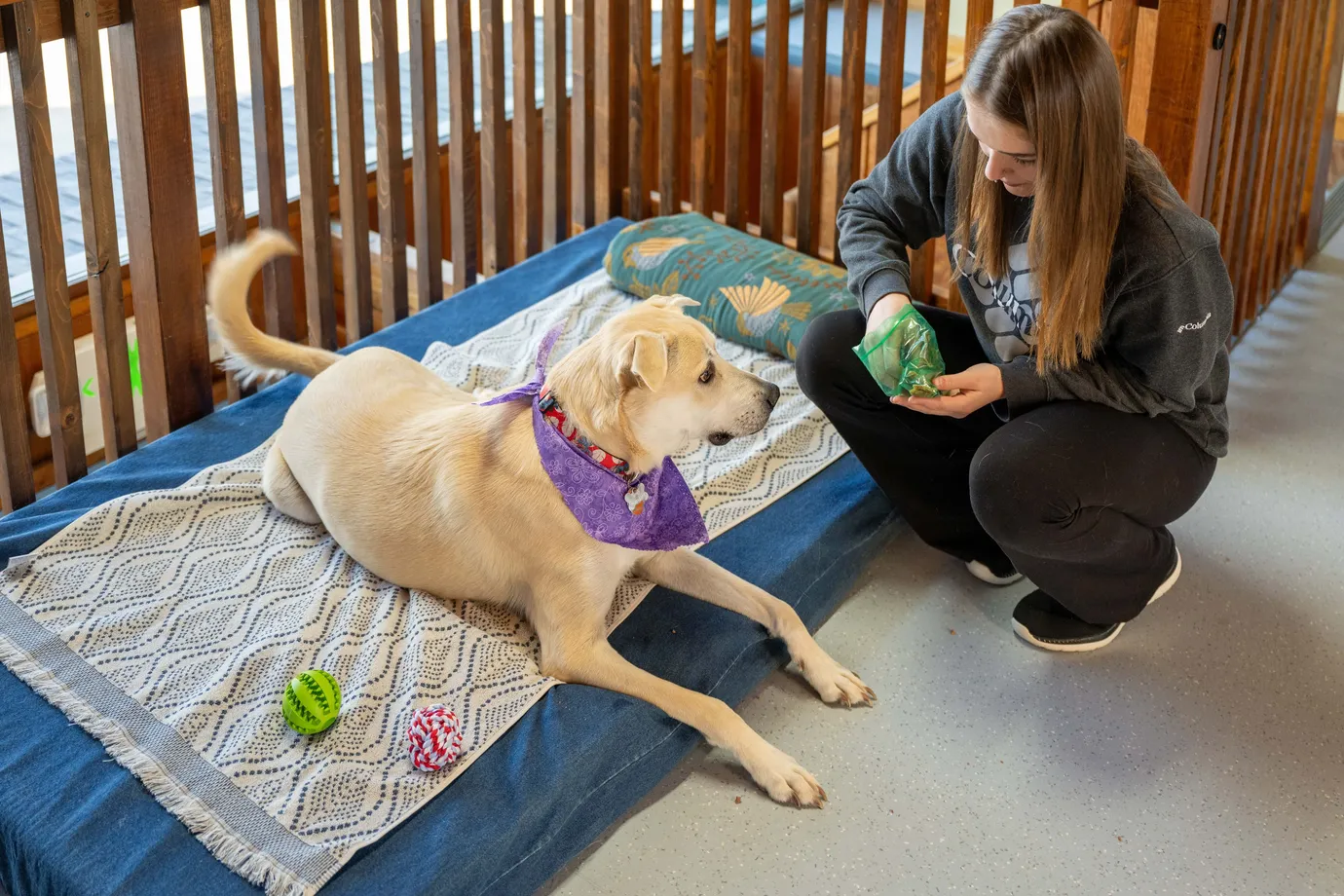
First, there is the environment. Many clinics now separate dogs and cats, use softer lighting, and keep noise low. Some have cat-only days or feline-only waiting areas. Others let you wait in the car and text you when a room is ready, which reduces those stressful lobby moments.
Second, staff are being trained to read body language and respond before fear turns into panic. The focus is on slow, thoughtful handling. This might mean examining a nervous dog on the floor instead of the table, or allowing a cat to stay in the bottom of the carrier with the top removed, rather than pulling them out by force.
Experts at Cornell describe simple ways to make veterinary visits less stressful for dogs, such as using high-value treats, practicing handling at home, and choosing quieter appointment times. You can read their practical advice on making veterinary visits less stressful for dogs.
Third, there is a new respect for the emotional side of care. If your pet is too scared for an exam, a fear-aware team does not push through at any cost. They may suggest a break, a different approach, or even a “happy visit” on another day where nothing painful happens so your pet can build new, positive memories.
You are part of this process as well. Clinics are encouraging owners to speak up about past bad experiences, ask for adjustments, and use tools like anti-anxiety medication or pheromone sprays when needed. Veterinary schools and teaching hospitals, such as those that share tips for stress-free veterinary trips, are helping spread these methods more widely.
This shift does not mean your pet will love every moment. It means their fear is taken seriously, and every effort is made to reduce it.
What should you look for in a fear-free oriented veterinary hospital?
Not every clinic is the same. Some have fully structured low stress vet care programs. Others are just starting to adopt these ideas. It helps to know what to ask about and what differences to expect.
| Aspect of Visit | Traditional Approach | Fear Free Focused Approach |
|---|---|---|
| Waiting experience | Shared lobby, first come, first served, pets often close together | Separate dog/cat areas or waiting in car, quick rooming for anxious pets |
| Handling style | Firm restraint to “get it done” quickly | Gentle holds, frequent treats, breaks if stress rises |
| Exam environment | Bright lights, slick tables, minimal use of mats or bedding | Non-slip mats, soft bedding, lower lighting, exam on floor if needed |
| Planning for anxious pets | Owner manages fear on their own, same routine for all | Pre-visit plans, possible calming meds, special handling notes in the record |
| After a bad visit | “They’ll get used to it” attitude | Offer happy visits, training referrals, detailed home instructions |
Once you know what to look for, the next question is simple. What can you personally do before and during the visit to help your pet feel safer?
Three practical steps you can take to support fear-free vet care
- Start the “visit” at home, long before the appointment
Many animals are not just afraid of the hospital. They are afraid of the carrier, the car, or even the harness that means they are going out. You can soften this.
Keep the carrier out all the time with soft bedding and treats inside, instead of only pulling it out on vet days. Gently handle your pet’s paws, ears, and mouth while giving rewards. Take very short car rides that end in something pleasant, like a walk or a snack at home, so the car does not always predict a medical exam.
These small, regular moments teach your pet that being handled and moved can be safe. That makes every part of the veterinary hospital visit less intense.
- Create a pre-visit plan with your veterinary team
You do not have to figure this out alone. When you book the appointment, tell the staff your pet is anxious. Ask what they can do to help. Some options might include scheduling you at a quieter time, bringing you directly into a room, or using a separate entrance.
For very fearful animals, your veterinarian might suggest prescription anti-anxiety medication or supplements before the visit. They may also recommend pheromone sprays or specific treats to bring. When you have a shared plan, you feel more prepared and your pet benefits from consistent, thoughtful care.
- Advocate gently during the visit itself
Once you are in the hospital, you are allowed to speak up. If your cat is struggling on the table, you can ask if the exam can happen in the bottom of the carrier. If your dog is freezing in the lobby, you can request to wait in the car and be called in when the room is ready.
You can also ask the team to go slowly, to pause if your pet is escalating, or to try treats or toys. A fear-aware clinic will welcome this. You are the expert on your animal. When you share what helps and what hurts, you become an active partner in creating a calmer visit.
Moving toward kinder veterinary visits for you and your pet
If every vet trip has felt like a struggle, you are not overreacting. Your stress and your pet’s fear are real. The shift toward fear-free veterinary care exists because so many people have lived exactly what you are living now and wanted something better.
You cannot erase every hard memory or control every moment, yet you can choose a hospital that respects your pet’s emotional needs, prepare at home, and advocate during the visit. Over time, those choices can turn a dreaded appointment into something more manageable, and sometimes even peaceful.
Your pet deserves medical care that honors their body and their feelings. You deserve a visit where you walk out thinking, “That went better than I expected.” That is the kind of experience you can start building now, one gentle step at a time.

Carmel Issac is a blogger and writer. He loves to express his ideas and thoughts through his writings.
