

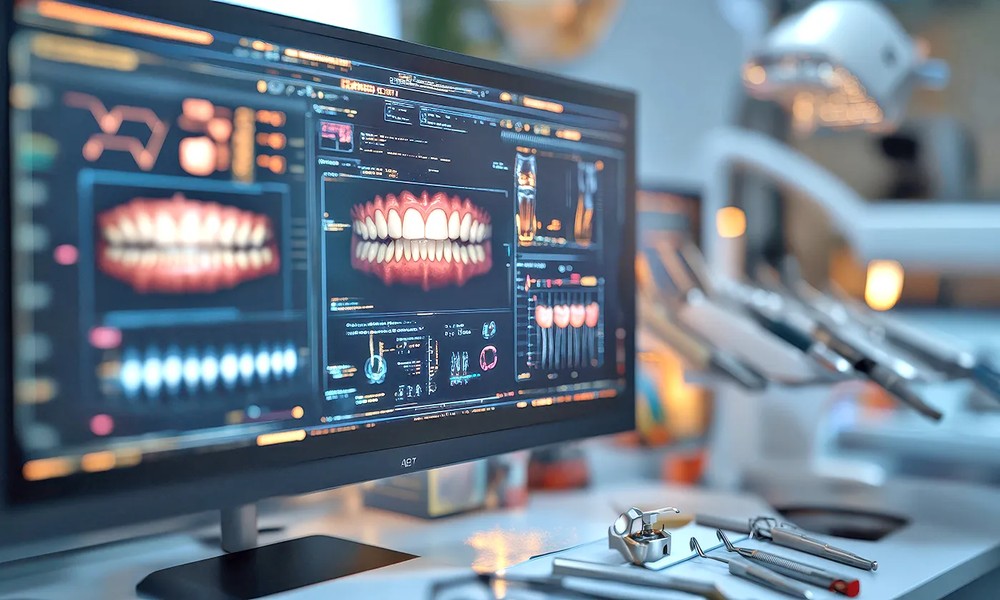
Tele dentistry changes how you reach care. You no longer need to wait weeks, sit in traffic, or miss work just to ask a simple question. You use your phone or computer to speak with a dentist from home. This helps you understand pain, swelling, broken teeth, and routine needs before they grow worse. It also gives clear next steps when you feel stuck or scared. Many people live far from a clinic or feel judged in a waiting room. Others care for children or older adults and cannot leave the house easily. Tele dentistry removes those walls. It supports you with quick checkups, treatment planning, and follow up after procedures. In some cases it guides you to an emergency dentist new port richey or another local clinic when you need hands on care. You gain clear answers, faster help, and stronger control over your oral health.
What Tele Dentistry Is And How It Works
Tele dentistry uses video calls, phone calls, photos, and messages to connect you with a dentist. You stay at home. The dentist reviews your mouth, your symptoms, and your questions through secure tools.
You usually follow three simple steps.
- You answer a short health form online.
- You send photos or a short video of your teeth and gums if you can.
- You join a live visit by video or phone at a set time.
The dentist listens to your concerns. Then the dentist explains what might be happening and lays out options. You may receive a care plan, a medicine order, or a referral to a nearby clinic for hands-on work.
The American Dental Association explains that tele dentistry can support exams, follow-up visits, and patient education when used with clear rules and privacy protections.
Who Benefits Most From Tele Dentistry
Tele dentistry helps many people, yet it especially supports three groups.
- Rural families. You may live far from the nearest dentist. Travel takes time and money. A remote visit cuts that burden.
- People with limited mobility. You may use a wheelchair, walker, or oxygen. Getting to a clinic is hard. A video visit keeps you safe at home.
- Busy caregivers and workers. You may care for children or older adults. You may work shifts or hold two jobs. A short visit during a break can keep your mouth healthy.
The Health Resources and Services Administration notes that millions live in dental shortage regions. Televisits cannot fill every gap, yet they bring guidance where clinics are rare.
What Tele Dentistry Can and Cannot Do
Tele dentistry supports many parts of general dental care. It does not replace hands-on treatment. The table below shows a simple comparison.
|
Type of Care |
Tele Dentistry |
In Person Visit |
|---|---|---|
|
Initial check of pain or swelling |
Yes. Dentist reviews symptoms and photos. |
Yes. A dentist examines the mouth directly. |
|
Routine exam and cleaning |
Partial. A dentist can review risk and habits. |
Yes. Full exam, cleaning, and X-rays. |
|
Cavity filling or crown |
No. Planning only. |
Yes. Full treatment. |
|
Medication for infection |
Yes. A dentist can prescribe when safe. |
Yes. A dentist can prescribe after an exam. |
|
Post treatment check |
Yes. The dentist checks the healing by video. |
Yes. Needed if pain or issues continue. |
|
Urgent trauma or heavy bleeding |
Only for quick guidance before travel. |
Yes. Emergency hands-on care. |
Tele dentistry works best for early questions, planning, and follow-up. It also works well for patient education. You still need in-person care for cleanings, fillings, extractions, and most urgent issues.
How Tele Dentistry Expands Access For Your Family
Tele dentistry changes access in three clear ways.
- It cuts time costs. You avoid travel, parking, and long waits. A short visit fits into a lunch break or nap time.
- It lowers mental strain. Many people feel fear or shame in a dental chair. A home visit feels safer. You can ask every question without rushing.
- It supports steady care. Quick check-ins keep small issues from growing. You can review brushing, flossing, diet, and habits for your children and older relatives.
Families often skip care until pain feels severe. Tele dentistry gives a simple first step. You can show a chipped tooth on camera. You can ask if a child’s injury needs an X-ray. You can check if a sore spot near a denture is urgent.
Preparing For A Tele Dentistry Visit
You can make your visit smoother with a short checklist.
- Write your main questions on paper.
- List all medicines you take.
- Find a quiet room with good light.
- Use a phone with a camera or a computer with a webcam.
- Have a small flashlight or desk lamp ready.
- If possible, ask a family member to help aim the camera.
During the visit, you speak clearly and describe your pain or concern. You follow any steps the dentist suggests, such as moving your tongue or lifting your lip. You repeat the care plan back in your own words. Then you ask the dentist to confirm it.
How To Use Tele Dentistry Safely
You protect your health and your data by taking three steps.
- Use only secure platforms from trusted clinics or health systems.
- Check that the dentist is licensed in your state.
- Keep a record of the visit summary and any medicine orders.
If pain grows, if you see spreading swelling, or if you have trouble breathing or swallowing, you should seek hands-on care or emergency care at once. Tele dentistry is a bridge. It is not a shield against serious danger.
Moving From Tele Visit To In-Person Care
Often, a tele dentistry visit leads to a clinic visit. That is a strength, not a weakness. You arrive with a clear plan. The clinic already knows your story. You lose less time in intake. You gain faster treatment.
In some cases, the tele dentist will guide you to an emergency clinic near your home. The visit can help you decide if you need an urgent appointment that day or if you can wait for a scheduled visit later in the week.
Tele dentistry cannot fix every barrier to care. Yet it gives you a direct path to trusted advice. It helps you move from fear and guesswork to clear steps. You gain more control over your mouth, your pain, and your schedule.
