

You might be feeling like you spend half your life juggling appointments. One child needs a cleaning, another has a toothache, you are overdue for a checkup, you are researching Botox treatment for dental TMJ in Marlborough, and every visit seems to be at a different office, on a different day, with different forms to fill out. It is exhausting before you even sit in the dental chair.
Because of that, the idea of one trusted family dentist for everyone in your household starts to sound less like a luxury and more like basic self-preservation. One office. One team. One history for your family’s teeth and gums. You want your children to grow up without fearing the dentist, you want your own care to stop feeling like an afterthought, and you want the whole thing to be simpler and more predictable.
That is what choosing a dedicated family dental care provider can do. It reduces the mental load of scheduling, helps catch problems early, supports better habits at home, and builds a relationship with a team that knows your family’s story. In other words, it turns dental care from a constant scramble into a calmer routine.
Why does family dental care feel so stressful right now?
Think about how dental visits often happen today. A pediatric dentist on one side of town. An emergency visit to a different clinic when your teenager chips a tooth. Your own visit is squeezed in at another office during your lunch break. Different policies. Different paperwork. Different advice. It is no wonder your shoulders tense up every time someone mentions a dental appointment.
On top of that, there is the emotional side. You might worry about your child crying in the chair. You might feel guilty about putting off your own care because money or time has been tight. You might wonder if you are doing enough at home with brushing, flossing, and diet. The pressure builds quietly, and suddenly, even booking a cleaning feels heavy.
So, where does that leave you? Usually in one of two places. Either you bounce between providers and hope it works out, or you delay care until something hurts. Both options cost you energy, and often cost more money in the long run.
How can one family dentist change the picture?
This is where a family dental practice becomes more than just another office. It becomes a single point of contact for almost everything related to your family’s oral health.
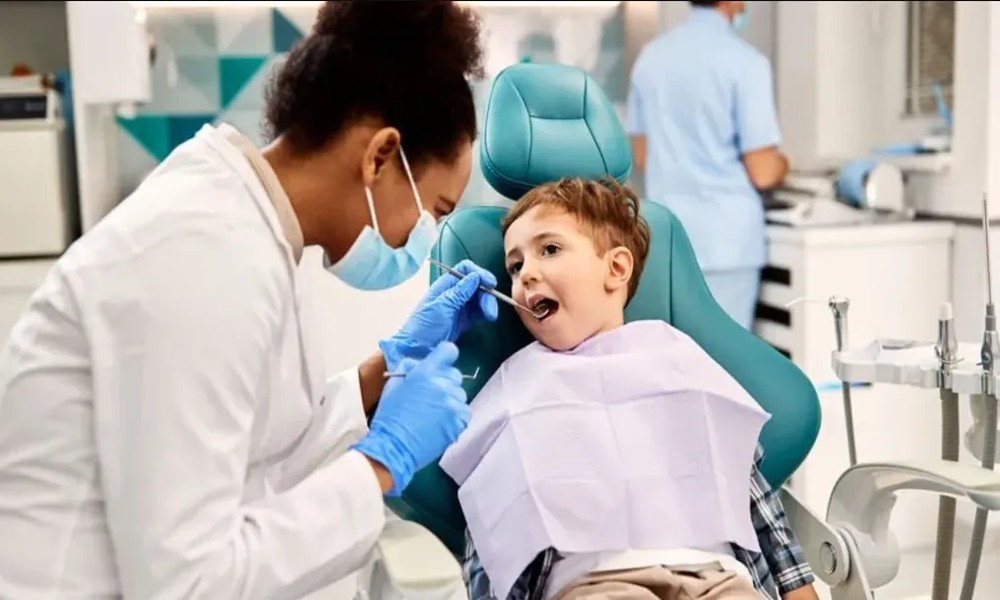
Imagine this instead. Your toddler’s first visit, your teen’s sports mouthguard, your partner’s filling, and your own preventive care all happen under one roof. The same front desk team recognizes your voice when you call. The same dentist watches your children grow, sees your own changes over time, and notices patterns that would be easy to miss if you were scattered between providers.
Because of this continuity, small issues can be spotted before they become big ones. The Centers for Disease Control and Prevention explains how good oral health is closely tied to overall health, including conditions like diabetes and heart disease. You can read more about that connection in this resource from the CDC on oral health and overall health. A family dentist who knows your medical history can keep an eye on those links and adjust your care accordingly.
There is also a comfort factor. Children who see the same dentist year after year tend to be less anxious. They know the faces, the sounds, the routine. Adults often open up more about their concerns when they feel known and not rushed. That trust makes it easier to ask the awkward questions about pain, cost, or fear that you might otherwise keep to yourself.
What about the financial and practical side of choosing a family dentist?
Dental care is not just about teeth. It is about time off work, childcare, insurance, and sometimes tough choices about what you can afford right now. When your care is scattered across multiple offices, those costs add up in ways that are not always obvious.
With one family dental clinic, you can often schedule multiple family members back to back. You take one morning off instead of three. You deal with one billing system. You compare treatment options with someone who understands your budget and can help you plan ahead.
The American Academy of Pediatric Dentistry offers guidance on finding appropriate dental care for children. That guidance is a good reference point when you are evaluating a family dentist as well. You can explore their advice in the AAPD FAQ on finding a dentist for your child.
So, how does this really compare to using separate providers for each family member?
Is a family dentist really simpler? A clear comparison
The table below outlines how a dedicated family dental care provider often compares with using separate dentists for adults and children.
| Consideration | One Family Dentist | Separate Dentists for Each Person |
|---|---|---|
| Scheduling | Group appointments on the same day, one point of contact | Multiple calls, different offices, higher risk of missed visits |
| Medical & Dental History | Shared family records, easier to spot patterns and risks | Scattered records, more repetition, and room for miscommunication |
| Children’s Comfort | Consistent environment, stronger trust over time | New settings, new staff, often more anxiety |
| Time & Travel | One location, fewer days off work or school | Different locations, more driving, and schedule juggling |
| Cost Management | One billing system, easier to plan for treatment | Multiple billing policies, harder to track total spending |
| Preventive Focus | Ongoing coaching for the whole household | Advice may vary, harder to keep everyone on the same plan |
Prevention is where a family dentist can quietly save you the most money and stress. The CDC highlights how regular brushing with fluoride toothpaste, routine checkups, and healthy habits reduce the risk of cavities and gum disease. You can see practical tips in this CDC guide to preventing dental problems. A family dentist helps you put those tips into action in a way that fits your real life.
What can you do right now to move toward simpler family dental care?
You might be wondering how to turn this from a good idea into a real change. Here are concrete steps you can take, even if you feel overwhelmed.
1. Define what “good” looks like for your family
Before you start calling offices, take ten minutes to write down what matters most. Is it evening or weekend hours? A calm approach for anxious children. Clear payment plans. A location close to school or work. When you know your priorities, it becomes easier to compare options and say no to offices that do not fit your reality, even if they look impressive on paper.
2. Use trusted resources to screen potential dentists
Do a quick online search for family dentists in your area, then use professional resources to narrow the list. For children, the American Academy of Pediatric Dentistry maintains helpful parent FAQs about what to look for and what questions to ask. Look for signs that the office welcomes all ages, explains treatment clearly, and emphasizes prevention, not just procedures.
3. Start with a “no pressure” first visit
Once you find a promising office, schedule a simple checkup or consultation. Treat it as an interview as much as an appointment. Notice how the team speaks to you and your child. Do they rush, or do they explain? Do they ask about your concerns and history? Are you clear on costs and next steps? One good sign is when you leave feeling calmer and more informed, even if you still need treatment. That usually means you have found a team you can build a long-term relationship with.
Bringing it all together
You do not need to fix your family’s entire dental situation overnight. You only need to make the next visit easier than the last one. Choosing one trusted family dentistry provider is a practical way to do that. It reduces the chaos. It turns appointments into a predictable routine. It gives your children a sense of safety and you a sense of control.
The path forward is simple. Decide what you want, use trusted resources to find a fit, and give yourself permission to start small. Over time, those small decisions add up to healthier mouths, fewer surprises, and a lighter mental load for you.
