

You might be feeling a little overwhelmed right now. You are working hard to manage your blood sugar, watching what you eat, staying on top of medications, and now your Thousand Oaks dentist is telling you that your gums and teeth need extra attention too. It can feel unfair, as if one more thing has been added to a list that was already too long.
Here is the simple truth. Diabetes and gum health are closely linked. When diabetes is not well controlled, gum disease is more likely to start and progress. When gum disease is present, it can make blood sugar harder to manage. Periodontics, which focuses on the tissues that support your teeth, becomes more than a “nice to have.” It is a key part of staying healthier overall and protecting your quality of life.
So, where does that leave you? It means that taking care of your gums is not just about avoiding bad breath or bleeding when you brush. It is about lowering infection in your body, protecting your teeth, and giving yourself one more tool to keep your diabetes under better control.
Why does diabetes make gum problems more likely in the first place
If you live with diabetes, you already know that your body heals differently and infections can linger. The same thing happens in your mouth. High blood sugar can weaken your body’s defenses, so bacteria in plaque have an easier time irritating and infecting your gums.
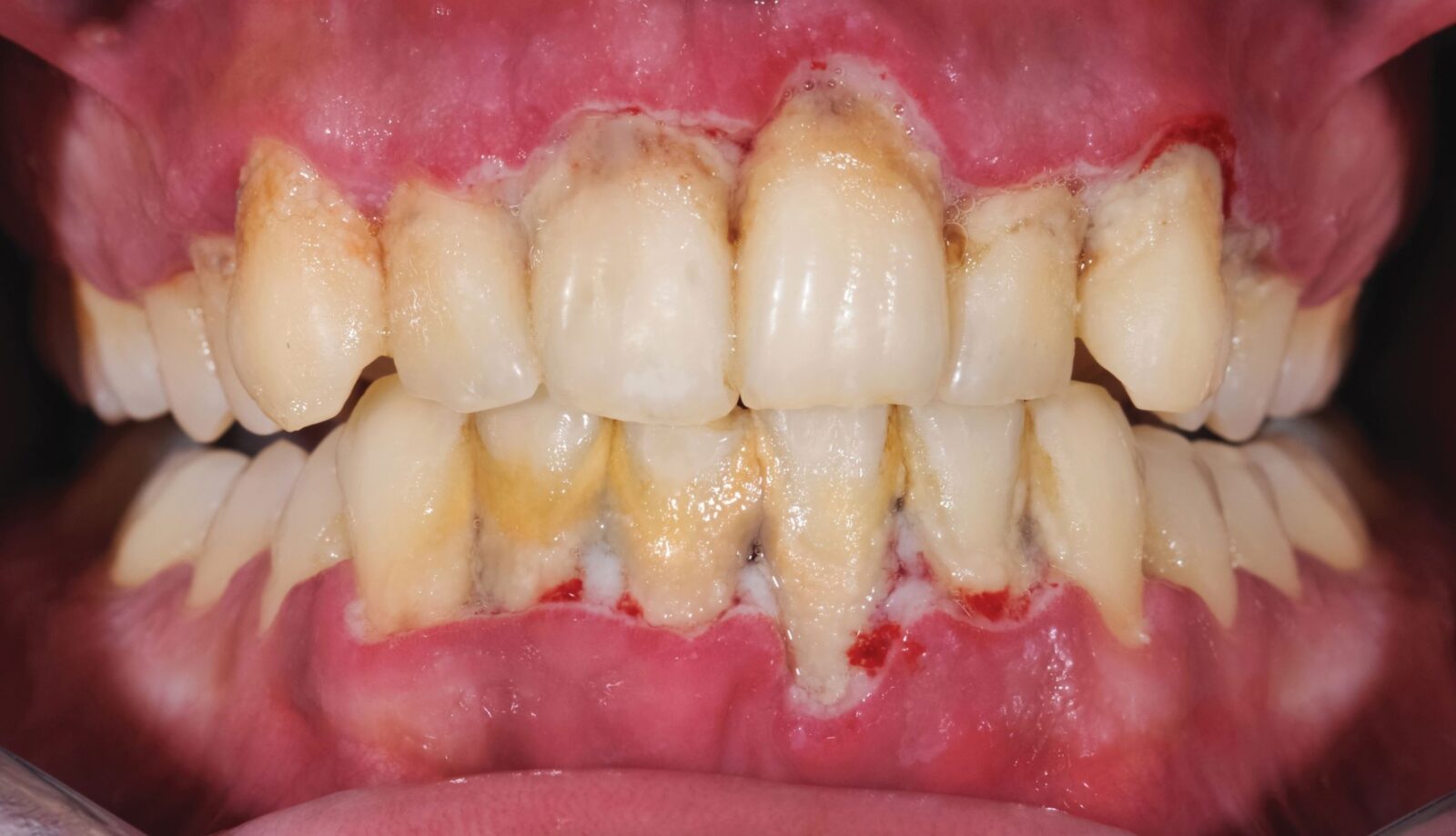
That irritation can turn into gingivitis, which is the early, reversible stage of gum disease. If it is not treated, it can progress to periodontitis. At that point, the bone and deeper tissues that hold your teeth are affected. Teeth can loosen, shift, or even be lost. According to the National Institute of Dental and Craniofacial Research, people with diabetes are more likely to have advanced gum disease than those without diabetes.
This is where a periodontist, a specialist in treating gum disease and the structures around your teeth, becomes important. A periodontal specialist for people with diabetes understands how blood sugar, medications, and healing all fit together, and can shape a plan that respects your medical needs as well as your comfort.
How does gum disease affect your blood sugar and daily life
You might be wondering whether sore gums can really affect something as serious as your A1C. It seems like a small problem compared to everything else on your plate. Yet chronic gum infection is not just a local issue. It adds to inflammation throughout your body, and that can make blood sugar harder to control.
The Centers for Disease Control and Prevention explain that people with diabetes are at higher risk of gum disease, and that untreated gum problems can make blood sugar control more difficult. You can read more about that connection in these CDC oral health and diabetes fast facts.
Think about a “what if” moment. Imagine your gums bleed when you brush, you notice a bad taste in your mouth, and your dentist says you have early periodontitis. You put off treatment because of cost or fear. Over time, chewing becomes uncomfortable. You avoid certain foods that take effort to chew, often the crunchy vegetables and proteins that support healthy eating. You rely more on soft, processed foods that can spike your blood sugar. At the same time, chronic infection in your gums is quietly adding stress to your immune system. Your numbers creep up, and you feel tired, frustrated, and worried about long-term complications.
Now imagine a different path. You catch the gum disease early, work with a periodontist, and bring down the infection. Your gums become less tender, you can chew more comfortably, and you can enjoy a wider range of foods that support stable blood sugar. You remove a constant source of inflammation and give your body one less burden to carry. The difference is not just in your mouth. It is in your daily energy, your confidence when you smile, and your sense that you are actively protecting your health.
What unique challenges do patients with diabetes face in periodontal care
Because of this tension between oral health and blood sugar, you might wonder what makes periodontal care different when you have diabetes. There are a few key challenges that a thoughtful periodontist will consider.
Emotionally, there is often fatigue. You may already be dealing with regular medical appointments, lab tests, and medication costs. Adding one more specialist visit can feel like too much. You might also feel embarrassed if you have avoided the dentist for a while or if your gums look inflamed.
Financially, there can be questions about what insurance covers and what it does not. Deep cleanings, frequent maintenance visits, or surgical treatment can be an investment. Without clear guidance, it is easy to postpone care until pain forces the decision.
Medically, timing and coordination matter. Blood sugar should be reasonably controlled before certain procedures to support healing and reduce infection risk. Your periodontist may need to coordinate with your primary care physician or endocrinologist. The Indian Health Service diabetes oral care guidelines stress how important this teamwork is for safe and effective treatment.
A skilled periodontics approach for diabetes patients respects all of these layers. It does not treat your gums in isolation. It looks at your medications, your lifestyle, your ability to attend follow-up visits, and your emotional comfort with treatment. When these pieces are aligned, care becomes more manageable and less frightening.
How does professional periodontal care compare to “just brushing better”
You might ask yourself whether you really need a periodontist or if better brushing and flossing are enough. Good home care is essential, yet once gum disease has reached a certain point, professional treatment is usually necessary to stop it from progressing.
The table below compares relying on home care alone with working closely with a periodontist when you have diabetes.
| Approach | What It Involves | Short Term Impact | Long Term Impact for Diabetes |
|---|---|---|---|
| Home care only | Brushing, flossing, mouthwash without professional gum treatment | May reduce surface plaque and mild bleeding | Does not remove deep tartar. Gum disease can progress and may keep inflammation high, which can affect blood sugar control. |
| General dentist cleanings only | Standard cleanings every 6 months, basic gum checks | Helps with mild gum issues and surface buildup | Can miss deeper pockets and advanced disease. May not be enough for moderate to severe periodontitis in people with diabetes. |
| Care with a periodontist | Specialized assessment, deep cleanings, possible surgical care, regular maintenance tailored to diabetes | Targets infection below the gumline, reduces pocket depth, improves comfort when chewing | Helps protect teeth, lowers chronic oral infection, and supports better overall health and more stable blood sugar over time. |
So, where does that leave you when you look at your own mouth? If you already have bleeding gums, loose teeth, or a history of gum problems, a general cleaning is usually not enough. This is when a focused periodontist treatment plan becomes a practical choice rather than an extra luxury.
Three steps you can take right now to protect your gums and your blood sugar
Knowing all this is one thing. Acting on it when you are tired or stressed is another. Here are three steps that are realistic and can start to shift things in your favor.
- Learn your current gum status in clear, simple terms
Ask your dentist or periodontist to walk you through your gum measurements and X-rays in plain language. Request that they tell you which areas are healthy, which are at risk, and which already show disease. Understanding the “map” of your mouth makes the situation less vague and helps you see why certain treatments are recommended.
If you do not have a regular dental provider, start by scheduling a periodontal evaluation. Bring a list of your medications and your most recent A1C result. This gives the periodontist a clear starting point and helps them tailor care safely.
- Build a daily oral care routine you can actually keep
Perfection is not required. Consistency is. Aim for brushing twice a day with a soft toothbrush and fluoride toothpaste, and cleaning between your teeth once a day with floss or interdental brushes. If your hands are unsteady or you find flossing difficult, an electric toothbrush or water flosser can make things easier.
Set reminders on your phone or link your brushing routine to something you already do, like taking your evening medication. The goal is not a fancy routine. The goal is a habit you will not abandon when life gets busy or your energy dips.
- Coordinate your diabetes care and your periodontal care
Tell your diabetes care team about your gum health, and tell your periodontist about your diabetes management. Ask your providers to share information when needed, especially before more involved procedures. Good communication helps with timing appointments, adjusting medications, and planning for healing.
If cost is a concern, be open about it. Ask for a phased treatment plan that tackles the most urgent areas first, and ask about maintenance schedules that balance protection with affordability. Many offices can help you prioritize what truly cannot wait.
Choosing health for both your mouth and your body
You carry enough worries with diabetes. Gum disease does not have to be one of the silent ones. When you understand why periodontics is essential for patients with diabetes, you can see periodontal care as a form of self-protection, not just another medical chore.
You deserve to chew comfortably, smile without hesitation, and know that you are doing what you can to protect your future health. Thoughtful periodontal care, paired with steady diabetes management, gives you a real chance at that outcome. Your next step is simple. Talk with a dental professional about your gums, ask clear questions, and make a plan that respects both your medical needs and your day-to-day life.

Jack Sylvester is a freelance writer, He is extremely fond of anything that is related to ghostwriting, copywriting, and blogging services. He works closely with B2B businesses providing digital marketing content that gains social media attention. His aim to reach his goals one step at a time and He believes in doing everything with a smile.
