

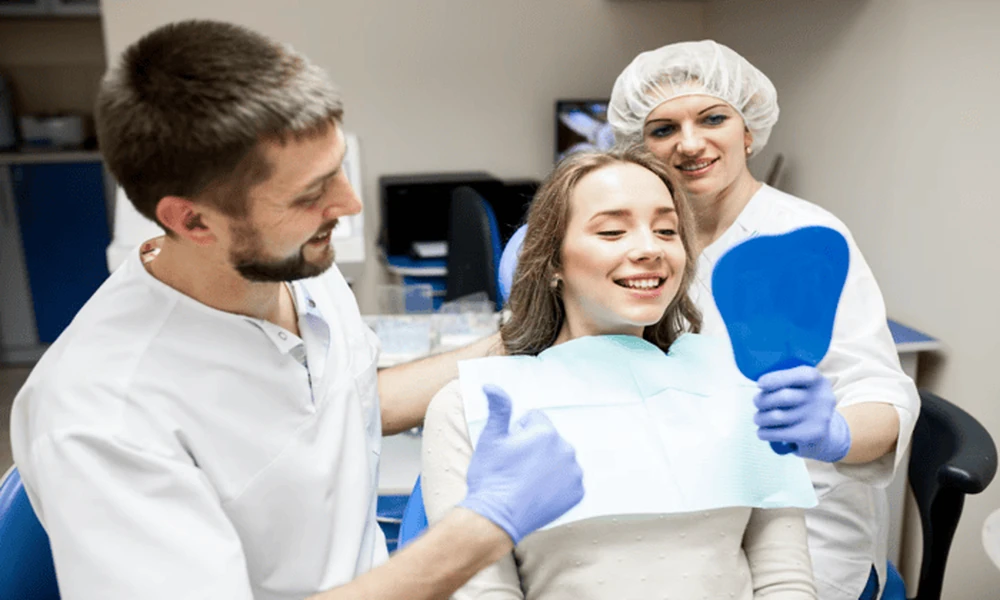
You might already know what you should be doing at home: brushing twice a day, flossing more often, cutting back on sugary snacks, and paying closer attention when your gums bleed. Still, knowing and doing are not always the same thing. Life gets busy, routines slip, and it is easy to tell yourself you will do better tomorrow. Then a checkup with a family dentist in Chillicothe OH comes around, and suddenly the small habits you meant to keep up with feel much more real.
That is where general dentistry can make a quiet but meaningful difference. Regular visits do more than clean your teeth. They create structure, help you notice patterns, and give you a clear reason to stay consistent between appointments. In simple terms, How General Dentistry Encourages Accountability In At Home Care comes down to this. When you have steady support, clear feedback, and a trusted general dentist watching your progress, your daily habits are more likely to stick.
Why Does At Home Oral Care Feel So Easy To Delay?
Most people do not ignore their teeth because they do not care. They fall behind because oral health problems often build slowly. A little plaque does not hurt today. Mild gum irritation may not seem urgent. Skipping flossing for a week does not always bring instant consequences. Because of that gap between action and outcome, home care can feel optional, even when it is not.
And when there is no clear feedback, it becomes harder to stay honest with yourself. You may think your routine is good enough until a dental exam shows new decay, inflamed gums, or wear from grinding. That can feel frustrating, especially if you thought you were doing fine. But it can also be the turning point. A general dentist helps connect your daily choices with what is happening in your mouth, which makes the results easier to understand and harder to ignore.
So, where does that leave you? It means accountability is not about shame. It is about clarity. When you know what is working and what is not, you are in a much better position to protect your health.
How Can A General Dentist Support Better Daily Habits?
A good dental visit is not just a cleaning and a reminder to floss. It is a check on your patterns. If plaque keeps building in the same area, that may point to a brushing technique issue. If your gums are tender, you may need a gentler flossing method rather than less flossing. If enamel wear is showing up, there may be a nighttime grinding habit you have not noticed.
This is one reason routine dental care and home care accountability work so well together. A general dentist can spot early changes before they turn into bigger, more expensive problems. That feedback makes your home routine feel less abstract. It is no longer just “brush better.” It becomes “spend more time on the back molars,” or “use fluoride toothpaste consistently,” or “clean around the gumline with more care.”
Trusted public health sources back up these basics. The CDC shares oral health tips for adults that include brushing with fluoride toothpaste, cleaning between teeth, and getting regular dental checkups. The National Institute of Dental and Craniofacial Research also outlines strong oral hygiene habits that support long-term dental health. For older adults, the National Institute on Aging explains how taking care of your teeth and mouth can help prevent pain, infection, and trouble eating.
What Happens When Home Care Stays Guesswork Instead Of A Plan?
When at-home care has no structure, people often react instead of prevent. They brush harder when something feels rough. They rinse more when breath seems off. They floss only when food gets stuck. That kind of care is understandable, but it is not consistent enough to prevent many common problems.
A general dentist helps turn guesswork into a plan. Instead of waiting for discomfort, you begin to track small signs earlier. You know what areas need more attention, what products fit your needs, and how often to come in for professional support. This kind of general dental care does not just treat problems. It builds habits that reduce the chance of those problems growing in the first place.
How Does Professional Care Compare With Going It Alone?
If you are wondering whether regular dental visits really change your home habits, the short answer is yes. The value is not only in what happens in the chair. It is in the follow-through that happens after you leave.
| Approach | What It Often Looks Like | Likely Result Over Time |
|---|---|---|
| At-home care without regular checkups | Brushing and flossing based on memory, habit, or occasional concern | Missed problem areas, delayed treatment, more surprise findings |
| At-home care guided by general dentistry | Daily routine shaped by exams, cleanings, and specific feedback | Better technique, earlier intervention, more consistent habits |
| Reactive care only | Seeking help when pain, swelling, or visible damage appears | Higher stress, higher costs, and fewer simple fixes |
That difference matters. If you have ever been surprised by a cavity or told your gums need more attention, you have already seen how easy it is to miss slow changes at home. Accountability from general dentistry helps close that gap.
What Can You Do Right Now To Build More Accountability At Home?
1. Make your routine specific.
Do not settle for “I brush pretty well.” Decide when you will brush, how long you will spend, and when you will floss. A routine you can describe clearly is a routine you are more likely to keep.
2. Pay attention to repeated feedback.
If the same issue comes up at more than one dental visit, treat that as useful information, not criticism. Repeated plaque buildup, bleeding gums, or sensitivity usually means one part of your routine needs to change.
3. Treat checkups like progress reviews.
Try thinking of each visit as a reset point. Ask what has improved, what still needs work, and what one adjustment would help most before your next appointment. That keeps your at-home care tied to real results.
Can Small Daily Changes Really Protect Your Oral Health?
They can, and that is the hopeful part. You do not need a perfect routine to make progress. You need an honest one. General dentistry gives you a clear picture of where you stand and helps you stay connected to the habits that protect your teeth and gums every day.
If you have felt frustrated by slipping routines or unsure whether your home care is enough, you are not alone. The good news is that accountability does not have to feel harsh. With regular support from a trusted dental professional, it can feel steady, practical, and manageable. That is often what makes change last.
