

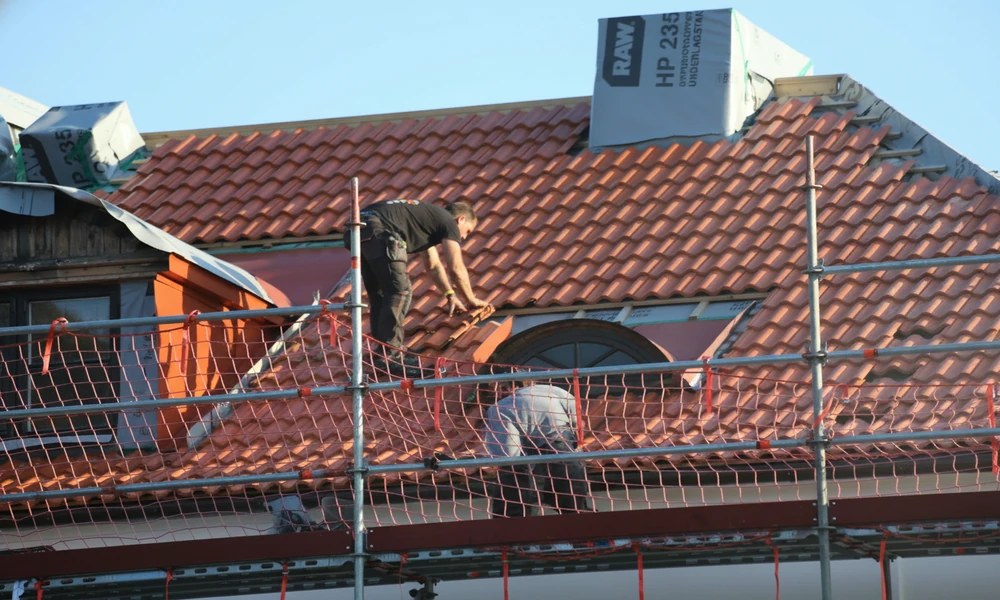
I’ve walked more flat roofs in Miami-Dade and Broward than I can count, and the ones that fail during a storm almost never fail because someone bought the wrong material. They fail because nobody asked the right questions before the crew showed up.
So let’s fix that. By the end of this piece you’ll know how wind load ratings actually work in your favor, why metal and flat systems trade blows depending on your building, and the exact questions that separate a real bid from a cheap one. You’ll also know what most South Florida business owners get wrong about timelines, and it costs them in June.
If your roof is past its service window and you’re already shopping for an expert commercial roofing contractor, the rest of this will help you screen bids instead of guessing.
What Makes a South Florida Roof Different From Anywhere Else
Three things, and they’re relentless.
Ultraviolet exposure is the obvious one. Your roof membrane sits under sun that doesn’t let up for nine months out of the year. That’s not a slow bake. It’s chemical degradation, and it shows up as brittleness, chalking, and seams that crack before the sheet itself does.
Salt air is the second. If you’re anywhere near the coast, and in a place like Miami Beach or Hollywood that’s basically everyone, your fasteners and edge metal are getting attacked constantly. I’ve seen screws on a fifteen-year-old roof reduced to rust stubs while the panels above them were still fine. The system died from the attachment, not the surface.
The third is rain volume. South Florida gets a huge share of its annual rainfall in a compressed window, and a flat roof without proper drainage will pond water long enough to find every weakness in the membrane. Ponding is rarely dramatic. It just quietly dissolves your roof from the top down over multiple seasons.
Put those together and you get a service environment where generic national assumptions fall apart. Specification details that work in Phoenix or Denver get punished here.
Metal or Flat: Which System Fits Your Building?
This is the question I hear most, and the honest answer is that it depends on structure, slope, and how much you care about appearance from the ground.
Commercial metal roofing
Standing seam metal handles wind better than almost anything else you can put on a commercial building, and it does it with a mechanically fastened, concealed attachment system. No exposed fasteners on the field of the roof means no rust-out points. It also reflects a meaningful chunk of solar heat, which translates into lower cooling load on a warehouse or retail space with a big footprint.
The trade-off: cost per square foot runs higher upfront, and installation quality matters enormously. A poorly detailed metal roof at a penetration or valley will leak as badly as a bad flat roof. The material doesn’t save you. The detailing does.
Flat and low-slope systems
If your building already has a low slope, you’re usually staying with a flat system because adding pitch is a structural project, not a roofing project. Modern single-ply membranes are excellent when they’re installed with proper seams, correct insulation thickness, and drainage that actually works.
My take, and I’ll say it plainly: for a big warehouse or industrial building with a low slope, a well-installed single-ply system is usually the smarter economic call. For a smaller commercial property where you want thirty-plus years and you can stomach the upfront number, metal wins.
The Permit and Code Side Nobody Explains
Florida’s building code has some of the strictest wind provisions in the country, and that’s not a bureaucratic quirk. It’s a direct response to what storms have done to this state. Your roof has to meet a wind load requirement tied to your specific location and building height, and the product you install has to carry the approvals that prove it.
The Florida Building Commission maintains those standards, and any contractor you hire should be able to tell you which product approval numbers apply to your job without looking it up on their phone while you wait. If they can’t, that’s your answer.
What this means practically: you can’t just buy the cheapest membrane and slap it on. The system has to be a tested assembly with matching components. Mixing a membrane from one manufacturer with edge metal from another can void the wind rating entirely. I’ve seen that mistake cost a property owner an entire re-roof after a claim got denied.
Five Questions That Screen a Contractor in Ten Minutes
Ask these before you let anyone on your roof.
- What wind speed rating applies to my building, and how did you determine it? A vague answer means they’re guessing.
- Are you using a single manufacturer’s tested assembly, or mixing components? Mixing kills warranties.
- Who pulls the permit, you or me? It should always be them.
- What’s your plan for the existing roof deck? If they haven’t inspected it, they can’t quote accurately.
- How do you handle drainage calculation? This one separates the real crews from the rest.
One more thing worth doing: ask for the address of two commercial roofs they finished at least three years ago. Then drive past them. A roof that’s been through three hurricane seasons tells you more than any brochure.
Timing Is the Whole Game
Here’s the part that catches people. Commercial roofing work in South Florida has a season, and it’s the opposite of what you’d expect. Everyone wants their roof addressed in the spring, right when storm anxiety peaks. That’s when schedules are jammed and crews are stretched.
Materials also take time. Metal panels are fabricated to your building’s dimensions, so you’re looking at a lead time between the order and delivery. If you start the conversation in May, you may not have a finished roof by August. Start in the fall or winter and you control the calendar instead of the calendar controlling you.
Why Wind Testing Data Matters More Than Brand Names
Roofing gets marketed like cars. Everyone has a premium line and a value line, and the branding does a lot of work.
Ignore it. What matters is whether the assembly has been tested to the wind pressures your building will actually see. The National Institute of Standards and Technology has studied how buildings fail in high-wind events for decades, and the pattern is consistent: failures cluster at edges, corners, and penetrations, not the middle of the field. Those are detailing problems, not material problems.
So when a contractor talks about edge metal, corner attachment, and how they’re handling every rooftop unit curb, listen closely. When they talk about the brand of membrane, that’s marketing.
Reading the Sky Before You Sign
Storms don’t announce themselves months out, but the pattern of a season is knowable. The National Weather Service tracks Atlantic activity, and any owner in this region should be watching the outlook by late spring, not the day a system is named.
That’s not about panic. It’s about sequencing. If you know a system might be forming and your roof has a known soft spot, you want that patched before the rain arrives, not after.
What to Actually Do This Month
Get on your roof, or send someone you trust up there, and look at three specific things. Standing water more than forty-eight hours after a rain. Rust on fasteners and edge metal. And any bubbling or separation at seams.
Document all of it with photos and dates. If you do end up filing a claim, that record is worth more than you’d think.
Then call two contractors, not five. Five bids means you’re collecting prices, not evaluating work. Two or three lets you compare the detailing conversation, and the detailing conversation is where you’ll spot the difference between a crew that installs roofs and one that understands why they fail.
Your roof protects everything inside the building. Treat the decision with the same seriousness you’d give your largest equipment purchase, because a failed roof in September costs far more than the difference between a good bid and a cheap one.
