

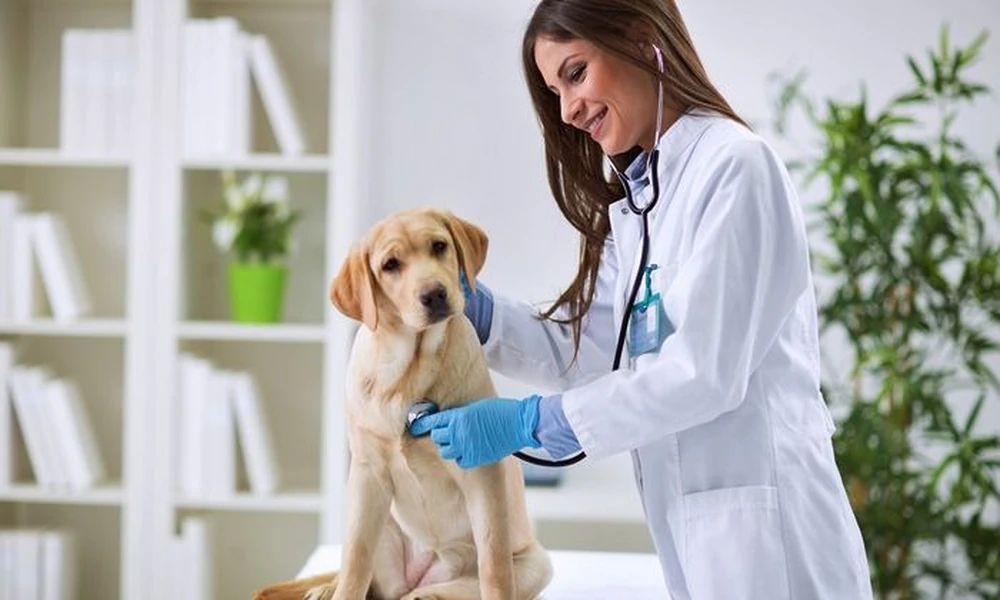
You know the signs before you even leave home. Your dog slows down at the sight of the leash and carrier. Your cat disappears the second the crate comes out. By the time you reach the parking lot, your pet is panting, trembling, crying, or frozen stiff, and you are already bracing for a hard appointment. That stress is real, and it affects more than one rough morning. It can shape how your pet feels about veterinary care for years, which is why finding a trusted veterinarian in Carmichael ca can make a meaningful difference.
How Animal Hospitals Create Fear Free Visits For Pets comes down to one simple goal. Reduce stress before, during, and after the appointment so pets can get care without panic. A good stress free vet visit is not about spoiling pets or avoiding treatment. It is about using handling, environment, timing, and communication in a way that lowers fear and makes medical care safer.
Fear free veterinary care changes what pets remember about the clinic
Pets do not walk into a clinic thinking about vaccines, skin checks, or dental disease. They react to smells, sounds, slippery floors, strangers, restraint, and the memory of past visits. If your pet once had a painful exam, a long wait near barking dogs, or a carrier ride that ended badly, the next visit can start with fear before anyone opens the exam room door.
That fear has consequences. A scared pet may struggle, hide symptoms, resist handling, or need extra staff support. Some owners delay care because they cannot bear another difficult visit, and that delay can turn a small issue into a bigger one. Ear infections worsen. Weight loss goes unnoticed. Dental pain drags on for months.
Animal hospitals that focus on fear free veterinary care work to interrupt that cycle. They often use quieter scheduling, separate waiting spaces for cats and dogs, non slip mats on exam tables, treats during handling, and slower introductions to touch. Staff may examine your pet on the floor instead of lifting them right away. They may skip a step, pause, or move part of the exam to a later visit if pushing through would create more fear than benefit.
That approach helps because pets learn by association. If the clinic starts to mean soft voices, gentle handling, food rewards, and shorter periods of restraint, your pet has a better chance of recovering from old anxiety and building a new memory.
Low stress animal hospital visits start before the front door
The visit does not begin in the exam room. It starts at home, with the carrier, the car, and your pet’s expectation of what comes next. Cornell’s guidance on making veterinary visits less stressful for dogs highlights familiar practice tools such as reward based training, calm car rides, and helping dogs form better associations with the clinic. Those same principles matter for cats too, especially when the carrier only appears on bad days.
Many animal hospitals coach clients on this part because it changes everything. They may suggest leaving the carrier out at home with bedding and treats inside. They may recommend short car rides that do not end at the clinic. For dogs, they may encourage happy visits where your pet stops by for a treat and leaves without an exam. Virginia Tech also shares practical tips for stress free veterinary trips, including travel prep and ways to reduce arousal before arrival.
Sometimes preparation also includes medication. That can be hard for owners to accept at first because it feels like a last resort. It is not. For some pets, pre visit anti anxiety medication is the kindest option. It can lower panic enough for your pet to stay under threshold, which means they can still think, respond, and recover instead of spiraling into fear. The University of Minnesota outlines how pre visit pharmaceuticals can support a calmer experience in this handout on reducing stress before veterinary appointments.
Cat and dog animal hospital strategies differ because pets show fear in different ways
A wagging tail does not always mean comfort. A quiet cat is not always calm. Dogs often show stress through pacing, panting, whining, or pulling away. Cats tend to shut down, crouch, freeze, or hide. A skilled cat and dog animal hospital reads those signals early and adjusts the plan before fear escalates.
That may mean covering a cat carrier with a towel, using feline pheromones, and avoiding direct eye contact at first. For dogs, it may mean giving space from other pets, using high value treats, and allowing time to sniff the room. In both cases, staff members watch body language closely. The goal is not to force cooperation. The goal is to work with the pet’s emotional state so medical care can actually happen.
Common clinic approaches and how they help pets feel safer
| Approach | What it looks like | How it helps |
|---|---|---|
| Modified scheduling | Quieter appointment times, shorter waits, direct room entry | Reduces noise, crowding, and buildup of stress |
| Gentle handling | Less restraint, slow movements, floor exams when possible | Lowers panic and reduces the chance of struggling |
| Food rewards | Treats during exams, vaccine visits, and weigh ins | Builds a positive association with touch and procedures |
| Species specific care | Cat only spaces, visual barriers, distance from barking dogs | Protects pets from triggers that raise fear fast |
| Pre visit planning | Carrier training, car practice, medication when needed | Starts lowering stress before arrival |
Practical steps you can take before your next veterinary visit
Make the carrier or car part of normal life. Leave the carrier out, add bedding, toss treats inside, and let your pet explore it when nothing stressful is happening. For dogs, practice short rides followed by something pleasant like a walk or snack.
Tell the hospital exactly what your pet does when scared. Say if your cat freezes, if your dog snaps when feet are touched, or if the parking lot is the hardest part. Specific details help the team plan handling, room setup, and timing. This is one of the easiest ways to improve fear free pet visits.
Ask about pre visit support. That may include scheduling a quieter time, waiting in the car until the room is ready, or using anti anxiety medication before the appointment. If your pet has a history of panic, do not wait until check in to bring it up.
Better veterinary visits are possible for anxious pets
If you have been dreading every appointment, you are not overreacting. Pets can learn to fear the clinic, and owners often carry that stress right along with them. The good news is that a calmer visit is possible when an animal hospital treats emotional safety as part of medical care. Small changes add up, and they matter.
When you are choosing veterinary care, ask how the team handles anxious cats and dogs, how they reduce waiting room stress, and whether they offer support before the visit starts. A good animal hospital will take those questions seriously and help you build a plan your pet can handle.
