

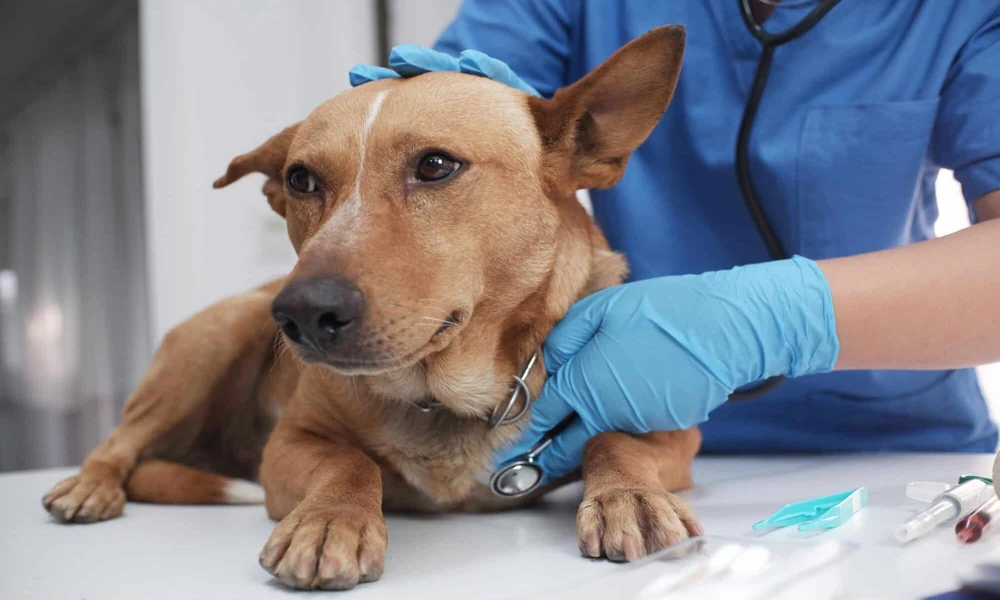
You notice it fast when a pet is not right. A dog stops eating, a cat hides under the bed, an older pet starts moving more slowly, and suddenly your whole day shifts around that one worry. Pet care is personal, and when something feels off, you want clear answers, steady support, and a place that can help without adding more stress. That is where an animal hospital in Warwick, Bermuda becomes part of the fabric of everyday community life.
The Vital Role Of Animal Hospitals In Community Pet Care is not just about treating illness. It is about prevention, guidance, emergency help, and the quiet reassurance that pet owners are not handling hard moments alone. A strong hospital for animals helps families catch problems early, manage chronic conditions, protect public health, and give pets a better quality of life from puppyhood or kittenhood through old age.
Animal hospitals support pets long before a crisis starts
Most people think about an animal hospital when something has already gone wrong. The limp appeared overnight. The vomiting will not stop. The skin issue that seemed minor now looks angry and painful. By that point, emotions are high and costs can rise fast. Routine care changes that pattern.
Regular wellness exams, vaccines, dental checks, parasite prevention, and nutrition advice do more than fill a calendar. They build a medical history, which helps veterinarians spot small shifts before they turn into bigger and more expensive problems. A pet with early kidney disease, heart changes, dental infection, or weight gain may not look seriously sick at home. In a clinical setting, those subtle signs are easier to catch.
This is one reason community pet healthcare matters so much. It creates a local safety net. When families have access to consistent veterinary care, pets are more likely to stay current on vaccines, receive parasite control, and get treatment before pain and disease progress.
Public health is part of this picture too. Zoonotic diseases, which can spread between animals and people, are a real concern, especially in homes with children, older adults, or anyone with a weakened immune system. The CDC offers practical guidance on healthy pets and safe habits, and animal hospitals help turn that guidance into daily care.
Pet hospitals strengthen the bond between families and their animals
Good veterinary care is medical, but it is also emotional. When a pet is anxious, aging, injured, or newly diagnosed with a chronic illness, families often feel guilt right alongside fear. You may wonder if you missed something, waited too long, or made the wrong choice. Those feelings are common, and they can make decision making harder.
A trusted pet hospital helps by giving you a clear path. That might mean diagnostics for a sudden illness, a treatment plan for allergies, monitoring for diabetes, or pain management for arthritis. It might also mean knowing when supportive care is the kindest option for a senior pet. Guidance matters because uncertainty is often the hardest part.
Teaching hospitals and veterinary medical centers also play an important role in raising standards of care across the broader community. Resources from places like Cornell’s hospital client services, The Ohio State University Veterinary Medical Center resources, and the University of Illinois animal owner community pages show how much support pet owners can access beyond a single appointment. Education helps owners ask better questions, understand treatment choices, and follow through at home.
Professional animal hospital care reduces risk that home care cannot cover
Home care has a place. You can monitor appetite, check water intake, keep a wound clean if your veterinarian instructs you to, and watch for changes in breathing, mobility, or bathroom habits. What home care cannot do is replace diagnostics, imaging, bloodwork, surgery, prescription treatment, or skilled emergency assessment.
A pet that seems tired may be dehydrated, anemic, in pain, or developing an infection. Ear scratching may be allergies, mites, yeast, or a deeper problem behind the eardrum. A dog that ate something unusual may be fine, or may need urgent intervention within hours. Guessing is expensive in its own way because delay can mean more suffering and more complex treatment later.
| Situation | Home Monitoring | Animal Hospital Care |
|---|---|---|
| Mild appetite change for one meal | Track food, water, energy, and bathroom habits | Recommended if symptoms continue or other signs appear |
| Vomiting, diarrhea, or signs of pain | Limited value, risk can rise quickly | Exam, hydration support, testing, and treatment |
| Routine prevention | Basic observation at home | Vaccines, dental care, parasite control, wellness screening |
| Chronic illness like diabetes or arthritis | Daily support and medication tracking | Diagnosis, dose adjustment, monitoring, long term plan |
| Emergency such as toxin exposure or trouble breathing | Do not wait | Immediate veterinary intervention |
Strong animal hospital services make communities healthier
When local families use animal hospital services consistently, the effect reaches beyond one pet. Vaccination rates improve. Parasites are identified and controlled sooner. Stray and rescued animals are more likely to receive exams and treatment. Pet owners learn safer handling, feeding, and sanitation habits. That lowers risk in homes, parks, apartment buildings, and shared public spaces.
This is why the role of the animal hospital is both personal and communal. It helps one frightened owner in one exam room, and it also supports a healthier standard of pet care across the whole area.
Practical steps that help you use veterinary care well
Build a care baseline. Schedule regular wellness visits and keep a simple record of vaccines, medications, appetite, weight, and behavior changes. Patterns are easier to spot when you have dates and details instead of memory alone.
Act early when symptoms shift. If your pet has repeated vomiting, diarrhea, limping, breathing changes, sudden lethargy, or stops eating, contact an animal hospital promptly. Early care often means simpler treatment and less distress for your pet.
Ask for a home care plan you can follow. Before leaving an appointment, make sure you understand medication timing, food instructions, warning signs, and when to come back. Clear instructions reduce mistakes and help you feel more steady at home.
Reliable veterinary care gives pets and owners a steadier path
Pets depend on you, and you should not have to make hard health decisions without support. A good animal hospital offers more than treatment. It gives structure during uncertainty, catches problems earlier, and helps protect both animal and human health. If your pet is due for routine care or showing signs that something is wrong, reach out and schedule a visit. Timely care can make all the difference.

Jack Sylvester is a freelance writer, He is extremely fond of anything that is related to ghostwriting, copywriting, and blogging services. He works closely with B2B businesses providing digital marketing content that gains social media attention. His aim to reach his goals one step at a time and He believes in doing everything with a smile.
