

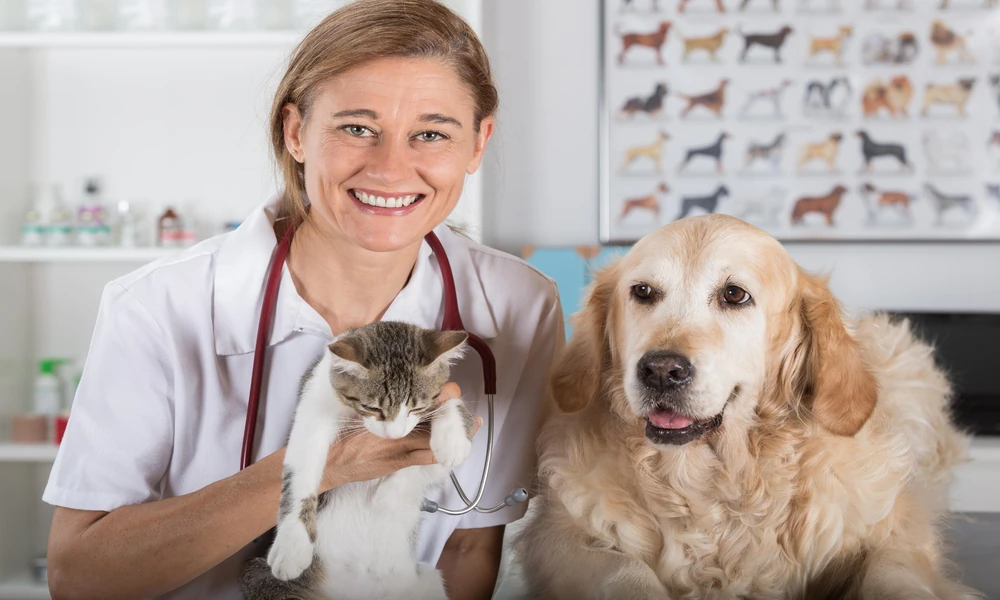
You notice the change before anyone else does. Your dog stops finishing dinner. Your cat hides more than usual. A bad smell from the mouth lingers, or a small limp turns into something harder to ignore. That is usually how it starts. Not with a dramatic emergency, but with a quiet sign that your pet needs help and you need a place you can trust, like a Surrey animal hospital.
Choosing an animal hospital can feel heavier than people expect. You are not just looking for a building with exam rooms. You are looking for skilled care, clear answers, fair guidance, and a team that treats your pet like a living, feeling member of your family. The best choice often comes down to whether the hospital offers the right services before a problem becomes urgent. A strong veterinary hospital services list should cover prevention, diagnosis, treatment, dental care, and urgent support.
Preventive care keeps small problems from turning into expensive ones
Routine wellness care is the service many pet owners put off when life gets busy. That delay can cost more than a visit ever would. Annual or twice-yearly exams give a veterinarian the chance to catch weight changes, skin conditions, early arthritis, heart murmurs, dental disease, and behavior shifts before they grow into larger medical issues.
Vaccinations, parasite prevention, and regular screening tests belong in this category too. Cats and dogs need different schedules based on age, lifestyle, and risk. Indoor cats, for example, still need thoughtful medical care and disease prevention. The CDC offers a helpful overview on keeping cats healthy and safe, including hygiene and disease concerns that matter inside the home as well as outside it.
A good animal hospital does not push a one-size-fits-all plan. It adjusts care to your pet’s stage of life. Puppies and kittens need a strong start. Adult pets need consistency. Senior pets need closer monitoring because subtle changes can point to pain, organ disease, or cognitive decline.
Diagnostic services give you answers when symptoms are vague
One of the hardest parts of pet care is that animals cannot explain what hurts. You get clues. Less energy. More thirst. A change in litter box habits. A cough that comes and goes. Without proper diagnostics, treatment becomes guesswork, and guesswork can waste time when your pet is sick.
Every hospital should offer core diagnostic support such as bloodwork, urinalysis, fecal testing, and imaging. X-rays can reveal swallowed objects, fractures, arthritis, and some masses. Lab tests can show kidney disease, diabetes, infection, anemia, and liver problems before symptoms become severe.
This is where many people feel torn. You want answers, but you also worry about cost. That concern is real. The better hospital explains what each test is for, what it may rule in or rule out, and which steps matter most right now. Clear priorities help you make decisions without feeling cornered.
Dental care is a core animal hospital service, not an extra
Bad breath is often brushed off as normal in pets, but it is usually a sign of dental disease. Infected gums, broken teeth, and oral pain can change how your pet eats, sleeps, and behaves. Some pets keep eating even when their mouth hurts badly, which makes the problem easy to miss.
That is why dental care belongs on any list of essential pet hospital care. A capable hospital should offer oral exams, dental cleanings under anesthesia, dental X-rays when needed, and tooth extractions or referral support for advanced cases. Cornell’s page on dentistry and oral surgery shows how broad proper dental care can be when oral disease goes beyond surface tartar.
Dental disease does not stay in the mouth. It can affect appetite, comfort, and overall health. If your pet paws at the mouth, drops food, chews on one side, or has red gums, that is not something to watch for months. It needs care.
Medical and surgical treatment should be available in one reliable place
Pets need more than checkups. Ear infections, allergies, stomach upset, wounds, bladder issues, skin masses, and orthopedic injuries are part of everyday veterinary medicine. An animal hospital should be able to manage common illnesses and perform routine surgeries such as spay and neuter procedures, mass removals, and other soft tissue operations, or guide you quickly to the right specialist when needed.
Continuity matters here. When the same team knows your pet’s history, medications, allergies, and past test results, care gets safer and more efficient. Cornell’s small animal community practice is one example of the kind of broad, day-to-day support pet owners often need from a trusted hospital.
This is also where communication shows its value. You need a team that explains recovery, pain control, activity limits, and warning signs in plain language. Good medicine is not only about performing the procedure. It is about helping you care for your pet once you are back home.
Urgent and emergency support protects pets when timing matters most
Not every hospital is open late or equipped for urgent cases, but every pet owner should know what kind of emergency support is available. Vomiting that will not stop, trouble breathing, collapse, seizures, toxin exposure, blocked urination, and trauma cannot wait for a convenient appointment slot.
The best animal hospital teams make this easier by giving clear instructions. They tell you when to come in, when to head straight to an emergency facility, and what to do on the way. That guidance can save time when you are already scared and trying to think through too much at once.
| Service | What It Helps Detect or Treat | What Can Happen If Delayed |
|---|---|---|
| Preventive exams and vaccines | Early disease, parasite risk, age-related changes | Missed warning signs, preventable illness, higher long-term costs |
| Diagnostics | Infection, organ disease, injury, diabetes, anemia | Guesswork, worsening symptoms, delayed treatment |
| Dental care | Gum disease, tooth fractures, oral pain, infection | Chronic pain, tooth loss, reduced appetite, deeper infection |
| Medical and surgical care | Everyday illness, wounds, masses, reproductive care | Complications, prolonged discomfort, avoidable progression |
| Urgent and emergency support | Toxin exposure, breathing issues, trauma, urinary blockage | Rapid decline, organ damage, life-threatening crisis |
Choosing the right pet hospital starts with a few clear steps
Review the service list before you need it. Look beyond office hours and location. Check whether the hospital offers wellness care, diagnostics, dental treatment, surgery, and urgent guidance. This is the simplest way to judge whether a clinic provides the kind of pet care services most families will need over time.
Ask how the team handles costs and treatment plans. A good hospital explains options in order of priority. If your budget is tight, you should still get a clear path forward, not vague answers or pressure.
Pay attention to communication. Call with a simple question and notice how they respond. Do they explain things clearly? Do they sound patient? In stressful moments, that matters as much as equipment.
Your pet depends on you to choose care before a crisis forces the decision. The right hospital will not offer every service under the sun, but it should cover these five essentials with skill and honesty. If you are comparing clinics, start with these priorities and take the next step toward care you can trust.
