

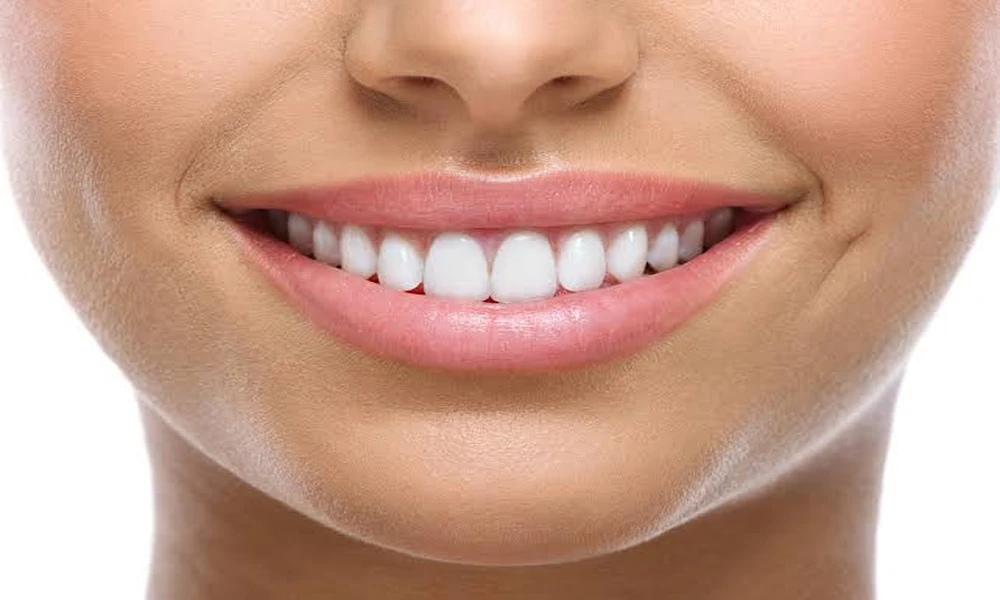
You might be feeling a little self conscious every time you smile, even in simple moments like saying hello at work or meeting someone new. Maybe you cover your mouth when you laugh, or you avoid photos because you do not like how your teeth look. A Sioux Falls dentist can help you feel more confident about your smile. You know first impressions matter, and you worry your smile is sending the wrong message before you even have a chance to speak.end
If this sounds familiar, you are not alone. Research from the American Dental Association’s Health Policy Institute shows that many adults feel embarrassed about the condition of their mouth and teeth, and that this affects their confidence in social and professional settings. When your smile does not match how you feel inside, it creates a quiet but constant tension. Because of this, you might wonder if cosmetic dentistry is just “vanity” or if it can genuinely change how people see you and how you see yourself.
The short answer is that your smile does influence first impressions, and modern cosmetic dental treatment can improve much more than appearance. It can support your oral health, your comfort, and your sense of ease around other people. Understanding how and why that happens can make your decisions feel less overwhelming and more grounded in facts, not pressure.
Why your smile changes how people see you within seconds
Think about the last time you met someone new. Before you heard much about their background, you probably picked up on their smile. Was it warm, relaxed, and open, or tight and guarded. That tiny window of time is often where trust begins or stalls.
Studies on facial appearance and teeth show that people quickly judge traits like attractiveness, friendliness, and even success based on a smile. One study on dental esthetics and social perception found that people with well aligned, healthy looking teeth were rated as more intelligent and more likely to be hired compared to those with visible dental issues. In other words, your teeth are sending messages, even when you are not trying to say anything at all.
So where does that leave you if your teeth are chipped, stained, crowded, or worn. You might feel that others see you as less put together or less approachable, even if that is completely unfair. Over time, this can chip away at your willingness to speak up in meetings, go on dates, or show up in photos with your family.
When cosmetic concerns hide deeper problems
Here is where things get more complex. What looks like “just a cosmetic problem” is often tied to your overall oral health. Missing teeth can change your bite and lead to jaw discomfort. Worn or broken teeth can signal grinding, stress, or past trauma. Crowded teeth can be harder to clean, which raises the risk of decay and gum disease.
National data from the National Institute of Dental and Craniofacial Research shows that oral health and general health are tightly linked, and that pain, infection, and tooth loss affect everything from nutrition to work performance. So when you think about whitening or veneers, you are not only talking about appearance. You are talking about comfort, function, and long term well being.
Because of this, cosmetic care is often combined with general and restorative dentistry. Straightening teeth with clear aligners can make brushing and flossing easier. Replacing missing teeth with implants or bridges restores both your smile and your bite. Even something as simple as closing a gap can change how you speak certain sounds and how confident you feel in conversation.
So what exactly can cosmetic dentistry change about first impressions?
Imagine two different scenarios.
In the first, you walk into a job interview. You hold back your smile because you are worried the interviewer will notice your dark front tooth and uneven edges. You speak less, your body language tightens, and the interviewer senses hesitation.
In the second, after addressing those concerns with a combination of whitening and bonding, you walk in and smile easily. You make eye contact, your voice is steadier, and you come across as more engaged. The interviewer has not just noticed your teeth. They have noticed your comfort.
Research on dental aesthetics and psychosocial impact shows that people who feel better about their teeth report higher self esteem and less social anxiety. One study found that improving the appearance of teeth through orthodontic or cosmetic treatment was linked to better oral health related quality of life, including confidence in social interactions and professional environments.
So while an aesthetic smile makeover does influence how others see you, an even more important shift often happens inside you. You feel less distracted by worry and more present in the moment. That change alone can transform first impressions.
Comparing options in cosmetic, general, and restorative dentistry
When you start exploring options, it can feel like an alphabet soup of treatments. Veneers, bonding, crowns, whitening, aligners. How do you know what fits your situation, your budget, and your comfort level.
The table below offers a simple comparison of common approaches within general, cosmetic, and restorative dentistry and how they may shape first impressions.
| Treatment Type | Main Purpose | How It Affects First Impressions | Typical Timeframe |
|---|---|---|---|
| Professional Whitening | Lighten stains and discoloration | Makes the smile look fresher and more youthful, often noticed right away in photos and face to face meetings | One visit or a few weeks with custom trays |
| Bonding or Veneers | Reshape, resize, or recolor front teeth | Creates a more even, balanced smile, can correct chips, gaps, and worn edges that draw unwanted attention | Usually 1 to 3 visits |
| Orthodontics (braces or clear aligners) | Straighten crowded or misaligned teeth | Improves symmetry and alignment, often seen as a sign of health and care for appearance | Several months to a few years |
| Implants, Bridges, or Partial Dentures | Replace missing teeth | Restores a full smile, supports clearer speech, and removes the “gap” that many people notice first | Varies, often a few months from start to finish |
| Crowns and Restorative Work | Strengthen damaged teeth and improve function | Protects teeth from further breakage and can improve appearance, which supports confident eating and speaking in public | Typically 1 to 2 visits per tooth after planning |
Of course, every mouth and every story is different. What matters most is matching treatment to your goals, your health, and your budget, rather than chasing a “perfect” smile that does not feel like you.
Three grounded steps you can take right now
1. Clarify what really bothers you about your smile
Before you think about procedures, take a quiet moment and get specific. Is it the color of your teeth, the shape, a gap, a missing tooth, or the way your teeth overlap. Or is it the way your mouth feels, such as sensitivity, pain, or difficulty chewing. Write down three things that bother you most and, just as important, three things you actually like about your smile. This helps any dentist you see focus on what matters to you, not just what they notice clinically.
2. Look at trusted information, not just social media photos
It is easy to get swept up in filtered before and after pictures. To balance this, spend a few minutes with reliable sources. The American Dental Association’s data on oral health and well being explains how dental conditions affect daily life, not just looks. The National Institute of Dental and Craniofacial Research offers an overview of oral health in America that connects teeth, health, and quality of life. Reading from these sources can calm some of the fear and help you ask better questions later.
3. Schedule a consultation focused on both health and appearance
When you feel ready, consider booking a consultation that covers general, cosmetic, and restorative dentistry together. You can ask for a full exam, photos, and a simple treatment roadmap that starts with health and then moves to appearance. A good dentist will talk honestly about what is possible, what is optional, and what is urgent. You can also ask about the psychological impact of treatment. Some studies show that improving smile aesthetics can lessen social anxiety and improve self confidence, which may matter as much to you as any physical change.
Moving toward a smile that feels like “you” again
You do not need a perfect Hollywood grin for your first impressions to change. You need a smile that feels natural, comfortable, and aligned with who you are. Thoughtful cosmetic dentistry for first impressions is about quiet confidence, not perfection.
If you have been hiding your teeth for years, it is understandable to feel nervous about taking the first step. Yet even a small, well planned change can shift how you show up in a room, how others respond to you, and how you feel when you see yourself in the mirror.
You deserve a smile that does not hold you back from opportunities, relationships, or simple everyday moments of joy. When you are ready, reach out to a dentist who offers general, cosmetic, and restorative dentistry, bring your questions, and start a conversation about what is possible for you.
