

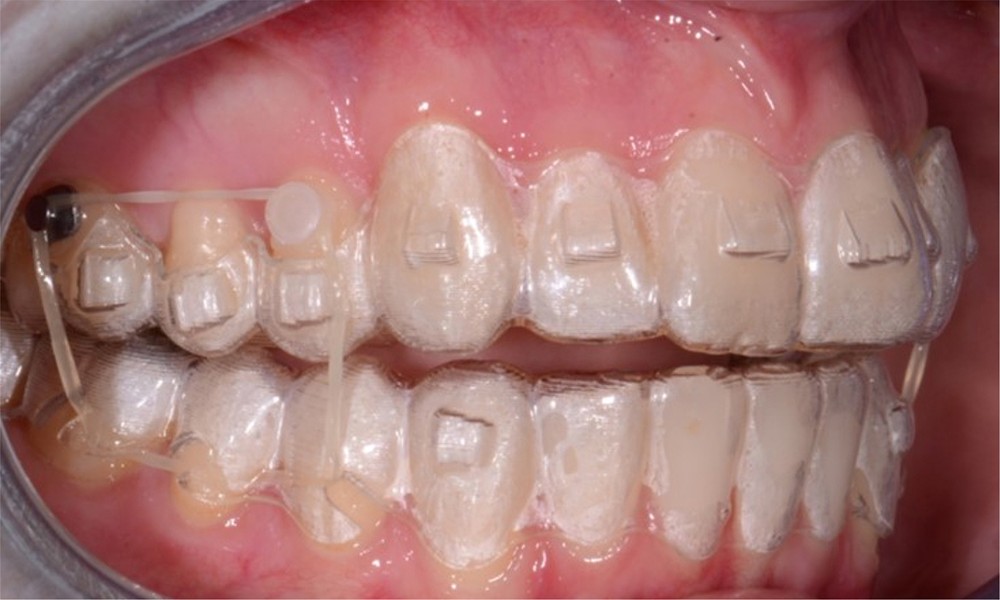
Clear aligner treatment depends on precision. Small mistakes in planning can lead to tooth movement that feels wrong and takes longer. Digital planning reduces those risks. You see a clear picture of your teeth, step by step, before treatment starts. Your Deer Park dentist can adjust each stage on a screen, instead of guessing with molds and paper charts. That means fewer surprises, fewer midcourse corrections, and fewer extra visits. You understand what will happen and why. Your dentist can spot crowding, rotation, and bite issues early. Then your plan matches your mouth, not a rough estimate. Digital tools also track your progress. You and your dentist compare your actual tooth movement with the plan at each check. If something drifts, your dentist changes course quickly. This careful planning supports a smoother path to a stable, healthy smile.
What Digital Planning Means For You
Digital planning uses 3D scans and photos instead of trays of putty. Your dentist uses a small scanner that moves over your teeth. It captures thousands of images and builds a 3D model on a screen.
This model lets your dentist
- Study your bite from every angle
- Measure tooth rotation and crowding
- Plan each movement in small, safe steps
The process feels simple for you. You sit in the chair. The scan takes a few minutes. There is no mess. There is no gag reflex from thick impression material.
The science behind this is strong. Digital impressions can be more accurate than traditional molds. The National Institute of Dental and Craniofacial Research explains that precise tooth surfaces help your dentist prevent decay and protect enamel. A clear digital model supports that same goal during orthodontic care.
Why Accuracy Matters With Clear Aligners
Aligners work only when each tray fits your teeth exactly. Every tray in your series depends on the one before it. When the first step is off, later steps drift more.
Accurate digital planning improves three key points.
- Fit of the aligners
- Timing of tooth movement
- Comfort during treatment
When the plan is precise, each tray moves teeth a small distance. You feel pressure, not sharp pain. The trays sit fully on your teeth. You avoid cuts on your gums from a poor fit.
Digital Planning vs Traditional Planning
The table below compares a typical digital workflow with a traditional mold and paper chart process.
|
Step |
Traditional Molds |
Digital Planning |
|---|---|---|
|
Impression method |
Putty trays in mouth |
Handheld 3D scanner |
|
Comfort |
Gag risk and taste issues |
Quiet and simple |
|
Accuracy |
Can distort when removed or shipped |
Stored as high detail digital file |
|
Treatment preview |
Rough sketches and verbal explanation |
Step-by-step video of tooth movement |
|
Plan changes |
New molds often needed |
Edits made on screen |
|
Progress tracking |
Visual check and guesswork |
Compare new scans to the plan |
|
Record storage |
Paper charts and boxes of molds |
Secure digital files |
This side-by-side view shows a simple truth. Digital planning cuts common weak spots that cause delays and extra visits.
How Digital Planning Helps Children And Adults
Digital planning supports different needs for kids, teens, and adults.
For children and teens, growth makes timing important. Your dentist can use scans to track jaw growth over time. The Centers for Disease Control and Prevention stresses early care for children. Clear digital records help your dentist spot early bite problems and plan aligner use around growth spurts.
For adults, teeth may have fillings, crowns, or past orthodontic work. Digital models show these features clearly. Your dentist plans movement that respects older dental work. This protects teeth from strain.
For busy families, digital planning often means fewer visits. Many checks are quick. Your dentist compares your teeth to the digital plan. If all matches, you get the next set of trays and leave on time.
Step By Step What You Can Expect
You can expect three main steps when your clear aligner plan uses digital tools.
1. Digital Records And Scan
- Discussion of your goals and health history
- Photos of your face and smile
- 3D scan of your teeth and bite
Your dentist reviews these records and looks for gum disease or decay that must be treated first.
2. Virtual Treatment Plan
- Software builds a 3D model of your teeth
- Your dentist sets the final tooth positions
- The program creates steps from start to finish
You then watch a short animation that shows how your teeth will move. You can ask questions and discuss options.
3. Aligner Production And Follow Up
- Aligners are made from the final digital plan
- You receive sets of trays with clear wear times
- Follow-up checks confirm that your teeth match the plan
If your teeth lag behind or move too fast, your dentist can rescan and adjust the plan. This protects the accuracy of the rest of your treatment.
How To Support Accuracy At Home
Digital planning works best when you follow it closely. You can protect the accuracy of your plan with three habits.
- Wear your aligners for the full recommended hours each day
- Insert each tray fully and check that it seats on every tooth
- Use any chewies or tools your dentist gives you to improve fit
You also protect your teeth with strong home care. Brush twice a day with fluoride toothpaste. Clean your aligners as instructed. Avoid sugary drinks while trays sit on your teeth. This routine supports the careful plan your dentist created.
Questions To Ask Your Dentist
You have a right to clear answers. You support your own care when you ask strong questions such as
- Will you use digital scans for my aligners
- Can I see a preview of how my teeth will move
- How often will you compare my progress to the digital plan
- What happens if my teeth do not follow the plan exactly
These questions show that you care about accuracy. They also have a direct talk about time, cost, and results.
Moving Forward With Confidence
Clear aligners work best when each step is planned with care. Digital planning gives your dentist sharp tools to guide that process. You gain a clear view of your treatment, fewer surprises, and a plan that responds when life shifts. With accurate scans, honest talks, and steady home habits, you support a strong result that can last for many years.
