

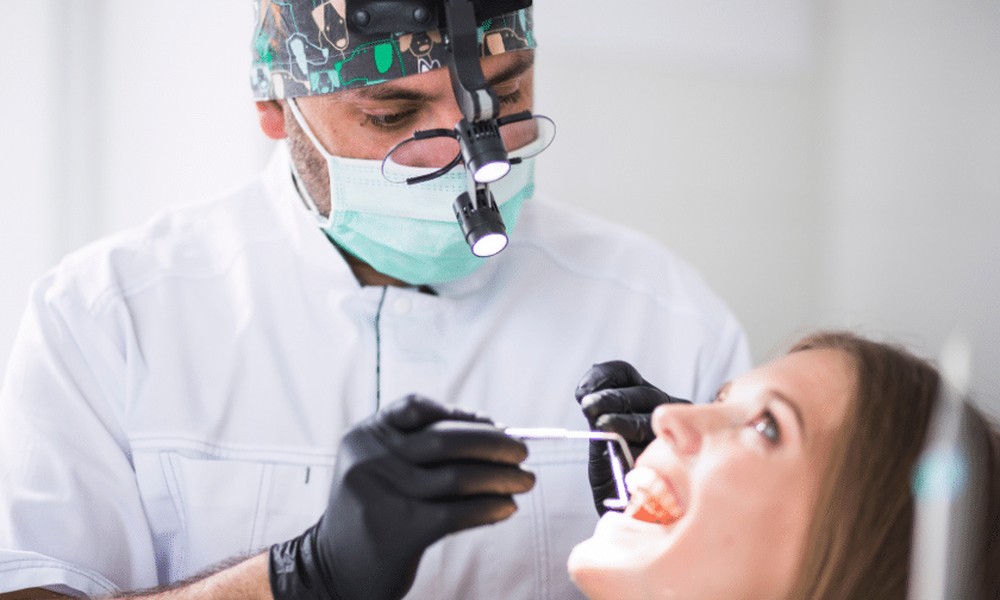
A healthy smile affects how you work, talk, and connect with your kids. You may feel uneasy about chipped teeth, stains, or gaps. You are not alone. Many parents want a better smile but think cosmetic care is only for celebrities or large clinics. That belief is false. Your regular dentist can often give your family the changes you want. A trusted family dentist in Plymouth MN can repair damage, brighten teeth, and correct small flaws for both adults and children. These treatments are safe. They are also planned around your daily life and budget. This blog explains four common cosmetic dental procedures that general dentists provide for families. You will see how each treatment works. You will learn who each one helps most. You will also know what to expect before, during, and after care so you can decide what is right for your family.
1. Professional Teeth Whitening
Teeth whitening is one of the simplest cosmetic procedures. It can change how you feel about your smile in a short time.
Everyday habits stain teeth. Coffee, tea, soda, and tobacco leave marks that regular brushing cannot remove. Age makes teeth darker. Some medicines also change tooth color. A dentist can use stronger whitening products than store kits. The dentist also protects your gums and lips during treatment.
Common options include:
- In office whitening with a strong gel applied by the dentist
- Take home trays made from molds of your teeth
Each option has pros and cons. In office care works fast. Take home trays give you more control over how bright you want your teeth.
Teeth Whitening Options
|
Type |
Time in Chair |
How Long Results May Last |
Best For |
|---|---|---|---|
|
In office whitening |
About 60 to 90 minutes |
Up to 1 year with good care |
Parents who want quick change |
|
Take home trays |
Short visits to fit trays |
Up to 1 year with touch ups |
People who want control over shade |
The American Dental Association explains how whitening works and what to ask your dentist.
2. Tooth Bonding for Chips and Gaps
Bonding uses tooth colored resin to fix small flaws. The dentist shapes the material by hand and hardens it with a special light. This treatment can:
- Repair small chips
- Cover worn edges
- Close small gaps between teeth
- Hide stains that do not whiten
Bonding often takes one visit. Your child or teen may feel shy about a chipped front tooth. Bonding can restore that tooth in one appointment. There is often no need for numbing if the dentist does not remove much tooth structure.
Bonding does wear over time. You may need repairs after a few years. Hard chewing or nail biting can shorten its life. Still, bonding is less invasive than many other options. It is also usually less costly than crowns or veneers.
3. Veneers for Shape and Color
Veneers are thin shells that cover the front of teeth. They change color, size, and shape. Your dentist removes a small layer of enamel from the front of each tooth. Then the dentist takes an impression. A lab makes custom veneers that fit your teeth. At a later visit the dentist bonds the veneers in place.
Veneers can help when you have:
- Teeth that stay dark after whitening
- Teeth that look uneven
- Small gaps that bonding cannot hide well
- Teeth that are worn down
Veneers last longer than bonding. With daily brushing, flossing, and regular cleanings, they can last many years. You still need to avoid chewing ice or very hard foods with veneered teeth.
Children rarely need veneers. Teens may be candidates in some cases. Your dentist will weigh growth, bite, and habits before suggesting them.
4. Crowns for Strength and Appearance
Crowns cover the whole tooth above the gum. They restore teeth that are weak, cracked, or badly worn. They also improve appearance. A crown can match the color and shape of nearby teeth.
General dentists often suggest crowns when:
- A tooth has a large cavity or filling
- A tooth already had root canal treatment
- A tooth is broken
- Grinding has shortened teeth
Crowns usually need two visits. At the first visit, the dentist shapes the tooth and takes impressions. The dentist places a temporary crown. At the second visit, the dentist cements the permanent crown.
The National Institute of Dental and Craniofacial Research explains why strong teeth matter for chewing and speech at NIDCR. Strong teeth also support your smile and confidence.
Comparing Cosmetic Options for Families
This table gives a simple comparison. It can help you talk with your dentist about what fits your needs.
Comparison of Common Cosmetic Dental Procedures
|
Procedure |
Main Purpose |
Best For |
Typical Visits |
Changes to Tooth |
|---|---|---|---|---|
|
Teeth whitening |
Lighten tooth color |
Stains from food, drinks, aging |
1 to 2 |
No permanent change |
|
Bonding |
Fix chips and small gaps |
Minor flaws on front teeth |
Often 1 |
Small or no enamel removal |
|
Veneers |
Change shape and color |
Uneven, stained, or worn teeth |
2 or more |
Thin layer of enamel removed |
|
Crowns |
Strengthen and restore |
Weak, cracked, or heavily filled teeth |
2 or more |
Significant reshaping of tooth |
How to Decide What Your Family Needs
You do not need to know which procedure is best on your own. You only need to share your worries and goals. A general dentist will:
- Listen to what bothers you about your smile
- Check your teeth, gums, and bite
- Explain options in clear terms
Then you can weigh three key points. First, what result do you want? Second, how many visits can you manage? Third, how long you want the change to last.
Cosmetic procedures work best when basic care is strong. Regular brushing with fluoride toothpaste, flossing, and routine cleanings protect your investment. Healthy habits also protect your children from pain and missing school.
When you feel ready, schedule a simple talk with your family dentist. Bring your questions. Bring your child if the concern is about your child. With clear facts and a calm plan, you can choose cosmetic care that fits your family and supports steady, confident smiles.
