

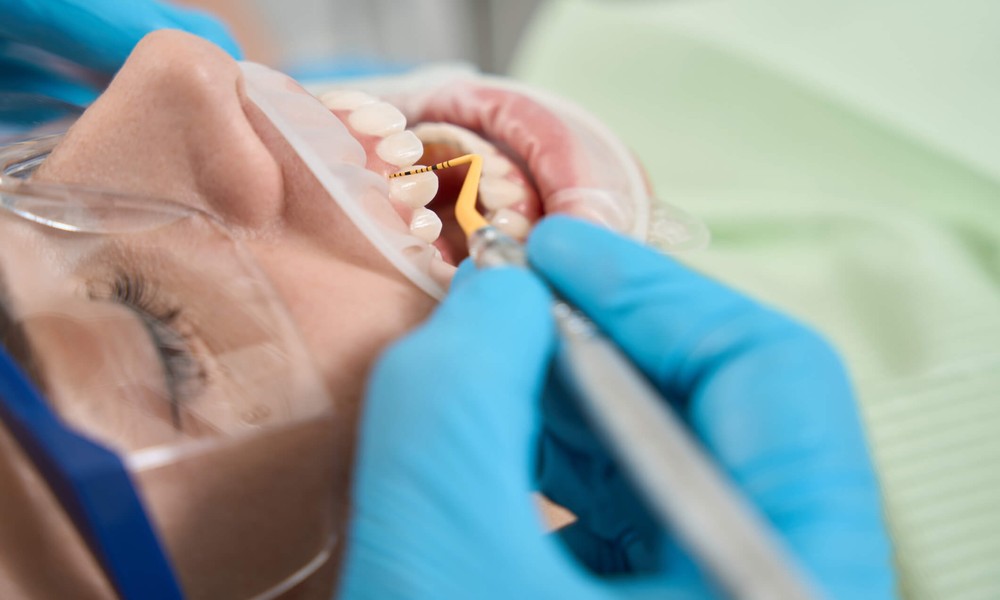
You might delay dental checkups because life feels crowded. That delay carries a quiet cost. Small problems in your mouth grow into painful, expensive crises. Regular visits stop that spiral. Routine exams catch early signs of decay, gum infection, and worn teeth. Quick treatment protects your smile, your speech, and your ability to eat. It also protects your heart and helps control your blood sugar. Skipping care can lead to tooth loss, infection, and emergency visits. Steady checkups give your dentist a clear record of changes over time. That record guides simple care instead of complex repair. It also helps you plan for future treatment, including options like South Holland orthodontics. Every visit is a short appointment that prevents long-term recovery. You deserve a mouth that works without pain. Regular checkups are the fastest way to keep it that way.
How Often You Need Checkups
You hear “twice a year” for dental visits. That rule fits many people. Yet your mouth, health, and habits may call for a different plan.
- Every 6 months for most healthy children and adults
- Every 3 to 4 months, if you have gum disease, diabetes, or smoke
- More often during pregnancy or cancer treatment
The American Dental Association explains that your dentist should set your visit schedule based on your own risk for disease. You can read their guidance at ADA patient-centered care.
What Happens During a Regular Checkup
A good checkup feels simple. Yet each step protects you from long-term harm. You can expect three parts.
- Review and questions. You share changes in your health, medicines, or pain.
- Exam. The dentist checks your teeth, gums, tongue, and jaw for decay, infection, and signs of cancer.
- Cleaning. The hygienist removes plaque and tartar that brushing and flossing miss.
Sometimes you also get X-rays. These images show decay between teeth, infections at the root, and bone loss under the gums. That hidden view lets your dentist treat problems before they break or hurt.
Why Small Dental Problems Grow Fast
Tooth and gum problems rarely stay small. They spread and deepen. That is why delays cause long-lasting harm.
- A tiny cavity grows into a deep hole in the tooth.
- Red gums deepen into bone loss and loose teeth.
- A cracked tooth turns into an infection and swelling.
The National Institute of Dental and Craniofacial Research explains that tooth decay is one of the most common chronic diseases in children and adults. You can see their data at NIDCR tooth decay statistics.
Cost and Time: Early Care vs Late Care
Regular visits save both money and time. Here is a simple comparison for one tooth.
|
Problem |
When Found |
Typical Treatment |
Estimated Visits |
Estimated Cost Range* |
|---|---|---|---|---|
|
Small cavity |
During routine checkup |
Simple filling |
1 short visit |
Low |
|
Large decay |
After pain starts |
Root canal and crown |
2 to 3 visits |
Medium to high |
|
Untreated infection |
During emergency |
Extraction and later replacement |
Several visits |
Highest |
*Costs vary by clinic and insurance. The pattern stays the same. Earlier care needs fewer visits and less money.
How Checkups Protect Your Whole Body
Your mouth links to the rest of your body. Infection and swelling in your gums strain your heart and blood vessels. They also make blood sugar harder to control.
Regular cleanings lower bacteria and swelling. That lowers strain on your heart. It also supports better control of diabetes. Early signs of sleep apnea, eating disorders, and some immune diseases can first show in your mouth. Checkups give you early warning.
Benefits For Children And Teens
Children grow fast. Their teeth and jaws change month by month. Steady checkups help you guard that growth.
- Fluoride and sealants protect new teeth.
- Early cavity care keeps baby teeth in place for proper chewing and speech.
- Growth checks show crowding and bite problems before they cause pain.
For teens, exams can catch grinding from stress, damage from sports, and early wisdom tooth problems. Timely orthodontic referral shapes a stable bite and easier cleaning for life.
Benefits For Adults And Older Adults
Adults juggle work, family, and money. Mouth pain steals sleep, patience, and focus. Regular checkups help you stay steady.
- Catch cracked fillings before they break.
- Control gum disease so teeth stay firm.
- Spot oral cancer at a stage when treatment works better.
Older adults face dry mouth from medicines, wear on teeth, and changes in memory or movement. Regular visits protect chewing and clear speech. They also help keep dentures or partials fitting well so you can eat without fear of slipping.
What To Do Between Visits
Checkups work best when you build simple habits at home. Focus on three steps.
- Brush twice a day with fluoride toothpaste.
- Clean between teeth every day.
- Limit sugary drinks and snacks to mealtimes.
Also, drink water often. Use a mouthguard for sports. Do not smoke or vape. These steps cut your risk for cavities, gum disease, and oral cancer.
When To Call The Dentist Sooner
Do not wait for your next routine visit if you notice warning signs.
- Tooth pain that lasts more than one day
- Gums that bleed often or pull away from teeth
- A sore in your mouth that does not heal in two weeks
- Loose teeth or changes in your bite
- New trouble chewing or swallowing
Quick calls prevent late-night emergencies and rushed hospital visits.
Taking The Next Simple Step
You do not need a perfect mouth to start. You only need one choice. Call a dentist and set your next checkup. Bring your questions, your fear, and your time pressure. Your care team can break treatment into small steps that fit your life. Regular checkups protect your body, your budget, and your peace of mind.
