

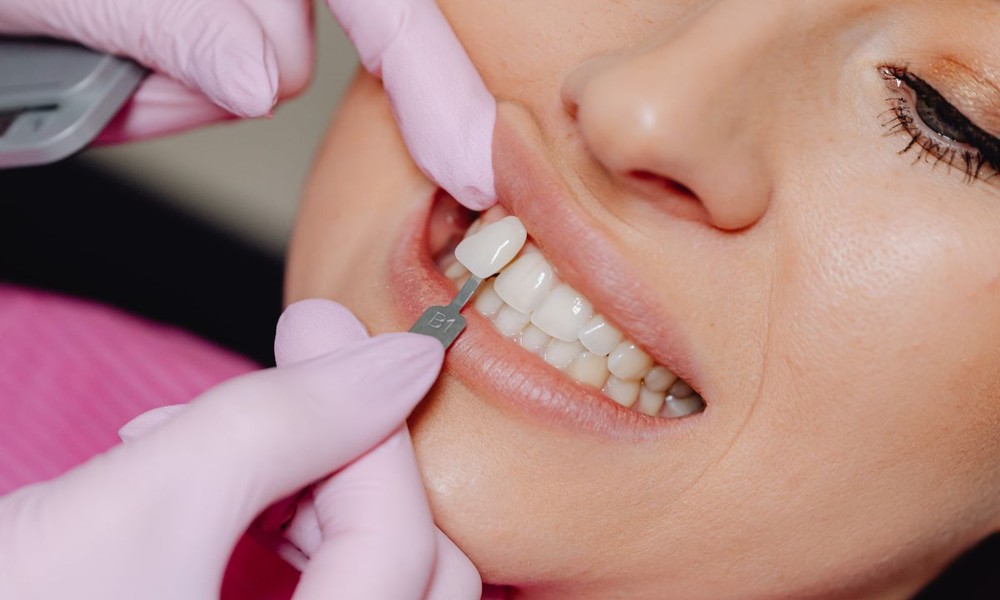
You want your family to feel proud when they smile. You have tried to ignore small chips, stains, or gaps. Now they bother you every time you look in the mirror. You might even hide your teeth in photos. That quiet shame can spread through your home and shape how your children see themselves. You deserve better. Your kids do too. Cosmetic dentistry is not about vanity. It is about comfort, confidence, and daily peace. When you plan care for your family, you think about cleanings, checkups, and braces. You might not realize that simple cosmetic changes can fit into that same plan. A trusted Family dentist in South Calgary can help you see what is possible. This guide will help you spot five clear signs that you are ready to add cosmetic care to your family routine.
1. You or your child hide your smile in photos
Pay attention to how you and your children act when a camera comes out. Notice if you see any of these signs.
- Lips pressed tight in every photo
- Hand over the mouth when laughing
- Turning away or avoiding group pictures
That quiet pull to hide can come from stains, crooked teeth, or past injury. It can grow into shame and low self-worth. Children copy what they see. If you hide your smile, they may learn to hide theirs.
The Centers for Disease Control and Prevention explains that a healthy mouth supports social well-being and confidence. You can read more about the link between oral health and quality of life in this CDC overview of oral health facts.
When you see this pattern, cosmetic care becomes part of emotional care. A small change in tooth shape or color can help your child stand still for a photo without fear. It can help you look back at family pictures without regret.
2. Every day, stains do not improve with regular cleaning
Tea, coffee, juice, and some medicines stain teeth over time. Regular cleanings remove surface marks. Sometimes the color runs deeper.
You may notice that.
- Your teeth look yellow or gray in every light
- Whitening toothpaste has no effect
- Professional cleanings give little change
The National Institute of Dental and Craniofacial Research explains that some discoloration comes from age or past injury. That kind of stain does not lift with brushing.
At this point, cosmetic options such as whitening or bonding move from “extra” to “needed.” They support a clean look that matches the effort you already give at home. They also help older family members feel less worn down by age changes in their teeth.
3. Small chips or gaps cause daily stress
Minor damage may seem unimportant at first. Over time, it can feel like a constant itch in your mind.
Watch for these three signs.
- You keep touching a chipped tooth with your tongue
- You avoid biting into certain foods on one side
- You feel a jolt of shame when you see your teeth close up
Small chips and gaps can also trap food. That can raise the risk of decay and gum problems. So cosmetic repair can protect health and comfort at the same time. Simple treatments often fix these problems in one or two visits.
4. Braces or aligners solved the function but not the appearance
Many families focus on straightening teeth during childhood. Braces and aligners fix bite problems and jaw strain. Sometimes the smile still looks uneven after treatment ends.
You might see that.
- Tooth edges look rough or uneven
- There are dark triangles between teeth near the gums
- Front teeth differ in length or shape
Orthodontic care sets the foundation. Cosmetic care finishes the picture. Simple reshaping, bonding, or contouring can create a calm, even look. That can help teens and young adults step into school or work with more strength.
5. You want a long-term plan, not quick fixes
Family care works best when it follows a clear plan. Cosmetic choices are no different. You may be ready to add them when you want structure instead of single, quick changes.
Ask yourself three questions.
- Do you want to time whitening or repairs around school photos or key events
- Do you want a clear budget for cosmetic work each year
- Do you want one trusted team to track your family’s smiles over time
If you answer yes, it is time to fold cosmetic services into your regular schedule. That keeps choices steady and less emotional. It also helps you balance needs across children, teens, and adults in your home.
Comparison of routine and cosmetic family dental care
|
Type of care |
Main purpose |
Common examples |
Typical timing |
|---|---|---|---|
|
Routine care |
Protect health and prevent pain |
Checkups, cleanings, fluoride, sealants, fillings |
Every 6 to 12 months, plus as needed |
|
Orthodontic care |
Correct bite and tooth position |
Braces, clear aligners, retainers |
Often during late childhood or teen years |
|
Cosmetic care |
Improve appearance and confidence |
Whitening, bonding, veneers, contouring |
Planned around life events and family goals |
How to talk with your dentist about cosmetic options
You do not need to know the name of any treatment before you ask for help. You only need to describe how you want your family to feel.
You can start with three simple steps.
- Bring recent photos that show what bothers you
- Explain which child or adult feels the most pressure or shame
- Ask for a plan that fits your budget and time limits
A steady dentist will listen, explain choices in plain words, and respect your limits. Together, you can build a family care plan that protects health and also protects self-respect.
Your family deserves to smile without fear. When you see these five signs, you are ready to treat cosmetic care as part of real care. You are not chasing perfection. You are giving your family calm, steady confidence that will touch every part of life.
