

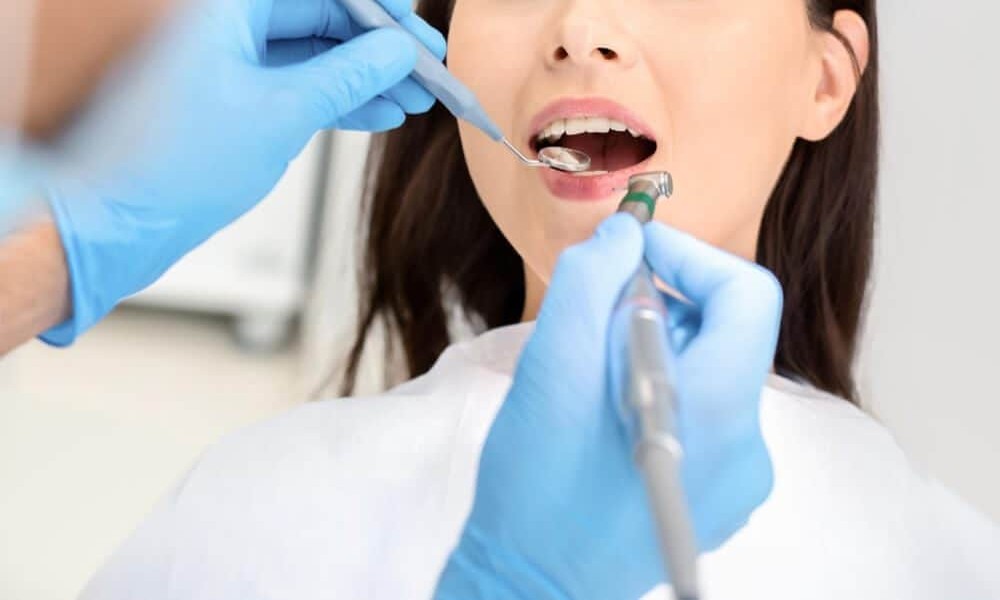
You brush, floss, and hope for the best. Still, small problems grow in silence. That is where preventive dentistry steps in. It protects you before pain starts. It also protects your wallet, your time, and your peace of mind. Regular checkups, early X‑rays, and simple cleanings stop decay, infection, and tooth loss. They also lower risks linked to diabetes, heart disease, and pregnancy problems. Many people think a visit for dental cleaning in Grand Valley, ON is only about polish and shine. It is not. It is a health visit that can catch bleeding gums, cracked teeth, and early cancer. Each small visit builds a shield over years. You stay in control. You avoid emergency visits, missed work, and long treatment plans. When you choose preventive care, you choose comfort, safety, and strength for your whole body.
How Your Mouth Connects To Your Whole Body
Your mouth is a warning system. It shows early signs of disease long before you feel sick. Gums that bleed, loose teeth, or dry mouth can signal heart disease or diabetes. Dentists watch for these clues every time you sit in the chair.
The mouth also acts like a doorway. Harmful bacteria from gum disease can enter your blood and reach your heart and other organs. The Centers for Disease Control and Prevention (CDC) links poor oral health to heart disease, stroke, and pregnancy problems. So when you protect your teeth, you protect your whole body.
Why Waiting For Pain Costs More
Tooth pain does not start overnight. Cavities and gum disease grow step by step. By the time you feel sharp pain, the harm is deep. That is when you face root canals, extractions, or surgery. These treatments cost more money and more time away from work and school.
Preventive visits are short and simple. Cleanings remove plaque and tartar. Exams catch soft spots and gum pockets. Early care may need only a small filling or a change in daily habits. You avoid long sessions in the chair and big bills at the front desk.
Preventive Care Versus Emergency Care
The table below shows how preventive care compares with waiting for a crisis. Costs are estimates and can vary. The pattern stays the same. Early care saves money, pain, and time.
|
Type of Visit |
Typical Reason |
Possible Treatment |
Relative Cost |
Impact On Daily Life |
|---|---|---|---|---|
|
Routine checkup and cleaning |
Prevention and screening |
Cleaning, exam, X‑rays, fluoride |
Low |
Short visit, return to normal right away |
|
Early cavity visit |
Small spot found on X‑ray |
Small filling |
Low to medium |
Minor numbness, same day recovery |
|
Advanced decay visit |
Ongoing ache or sensitivity |
Large filling or crown |
Medium to high |
Longer visit, follow up needed |
|
Emergency infection visit |
Severe pain or swelling |
Root canal or extraction, antibiotics |
High |
Missed work or school, strong stress |
|
Tooth loss visit |
Tooth cannot be saved |
Bridge, implant, or denture |
Very high |
Many visits, lasting change in chewing |
What Preventive Dentistry Includes
Preventive dentistry is more than a quick polish. It is a steady set of steps that work together.
- Regular exams. Your dentist checks teeth, gums, tongue, and jaw. Small changes are tracked over time.
- Professional cleanings. Hygienists remove plaque and tartar that brushing misses. This slows cavities and gum disease.
- X‑rays. Images show problems between teeth and under fillings before they reach nerves.
- Fluoride treatments. Fluoride strengthens enamel. It helps prevent decay, especially in children and older adults.
- Sealants for children. Thin coatings on chewing surfaces block food and bacteria from hiding in deep grooves.
- Gum checks. Simple measurements show if gums pull away from teeth. This finds gum disease early.
- Oral cancer screening. Dentists look for spots, lumps, or color changes. Early cancer is easier to treat.
Daily Habits That Strengthen Your Mouth
Office visits work best when you support them at home. Small daily habits build strong protection.
- Brush your teeth twice a day with fluoride toothpaste.
- Clean between teeth once a day with floss or another tool your dentist suggests.
- Choose water instead of sugary drinks most of the time.
- Limit snacks that stick to teeth, such as candy or crackers.
- Wear a mouthguard during sports that risk hits to the face.
- Do not smoke or vape. Tobacco weakens gums and raises cancer risk.
The CDC oral health basics explain these steps in clear terms. You can share them with children, teens, and older adults in your life.
Protecting Children, Adults, and Older Adults
Preventive dentistry supports every age, but the focus shifts as life changes.
- Children. Early visits teach comfort and trust. Sealants and fluoride protect new teeth. Dentists coach parents on brushing, snacks, and thumb habits.
- Adults. Work, stress, and family duties can crowd out self-care. Regular cleanings keep gums stable. Dentists watch for grinding, jaw pain, and early gum disease.
- Older adults. Many take medicines that cause dry mouth. This raises cavity risk. Dentists help manage dry mouth, denture fit, and root decay.
Overcoming Fear And Shame
Many people avoid the dentist because of fear, past hurt, or shame about how their teeth look. This silence often leads to worse problems and deeper shame. You deserve care without judgment. Dental teams see many mouths every day. They know that life, money, illness, and trauma can stop visits.
You can start by telling the office about your fears when you book. You can ask for short first visits, clear step-by-step plans, and breaks during treatment. You stay in control. Each visit becomes a step away from fear and toward relief.
Taking Your Next Step
Preventive dentistry is quiet work. It rarely makes headlines. Still, it guards your health, your savings, and your daily comfort. You do not need a perfect record to begin. You only need the next appointment and a choice to protect your future self.
Schedule an exam and cleaning. Ask questions. Learn your risks. Then follow a simple plan that fits your life. Your mouth will feel cleaner. Your body will face fewer threats. Your future self will thank you for the calm choice you made today.
