

You might be looking at your child’s teeth and wondering how something so small can cause so much worry. Maybe your child has already had a cavity filled, or the dentist mentioned “deep grooves” and “higher risk” and you have been replaying that conversation in your head ever since. You want to protect your child, you want to avoid future drilling and injections, and you also do not want to sign them up for anything that feels unnecessary. If you’re searching for guidance tailored to children’s unique dental needs, a pediatric dentist in Westchester can help you weigh your options and choose what feels right for your family.
Because of this tension, you might wonder where dental sealants fit in. Are they really worth it, are they safe, and will they actually prevent those big, painful cavities you are trying to avoid. The short answer is that sealants are a quick, gentle treatment that can dramatically reduce the chance of decay in back teeth, especially for kids, and they often spare families from a lot of stress and cost later on.
This guide walks you through what sealants are, why they matter, what the risks and benefits look like side by side, and how to decide if they make sense for your child right now. You will see that you are not alone in feeling unsure, and you will leave with clear, practical next steps.
Why are you hearing about sealants now, and what problem are they trying to solve
Most parents hear about sealants when the first permanent molars come in around age six, or again when the second set appears around age twelve. The dentist might say those back teeth have deep pits and fissures that are hard to clean. You might nod politely and think, “We brush and floss. Is that not enough.”
Here is the hard truth. Even with good brushing, food and bacteria love to hide in the tiny grooves on the chewing surfaces of molars. Those grooves can be so narrow that a toothbrush bristle cannot reach the bottom. Over time, acid from bacteria starts to soften the enamel. The result is a cavity that often appears in a tooth that “looked fine” at your last glance.
Now imagine this in real life. Your child starts saying their tooth hurts when they chew. You try to get an appointment around school and work. There is a filling, maybe a numbing shot, maybe tears or fear, and afterward you feel guilty even though you did everything you knew to do. The cost hits your budget, and the experience lingers in your child’s memory. Many parents quietly think, “If there had been a way to prevent this, I wish someone had pushed me harder.”
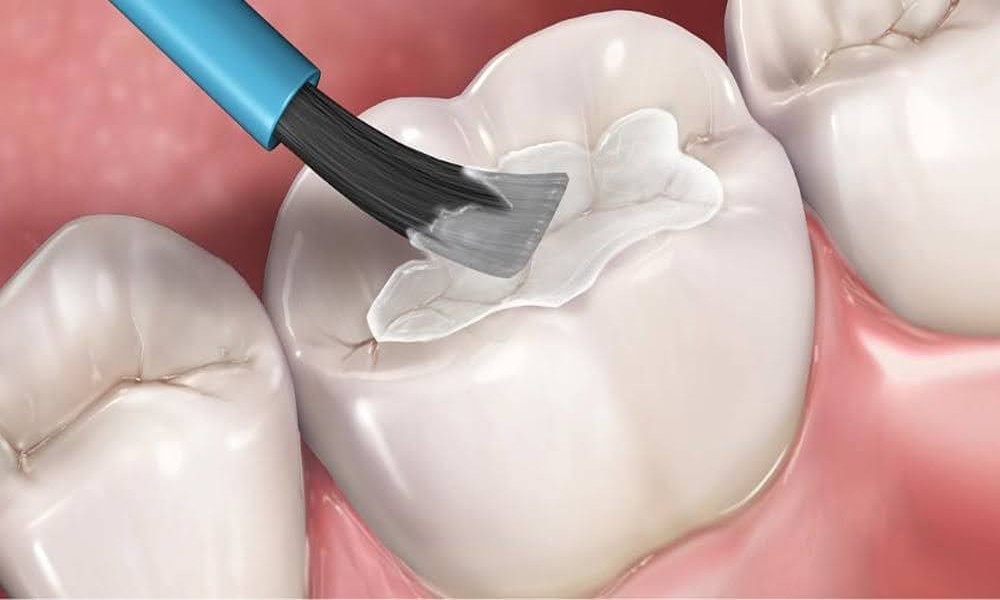
This is where tooth sealant treatment comes in. A sealant is a thin, protective coating that flows into those pits and grooves, hardens, and creates a smoother surface that is easier to keep clean. It does not replace brushing and flossing. It simply gives your child’s teeth an extra shield in the spots that are most likely to get cavities.
The Centers for Disease Control and Prevention explains that sealants can prevent up to 80 percent of cavities in the back teeth over the first two years after placement, which is when they are most at risk. You can read more about that in the CDC’s overview of dental sealants and cavity prevention.
What actually happens during sealant treatment, and what should you worry about
Understanding the steps can reduce a lot of anxiety. Sealants are not like a filling. There is no drilling, and in most cases no numbing. The tooth is cleaned, a gentle gel is placed to prepare the surface, then rinsed and dried. After that, the sealant material is painted on and hardened with a special light. The whole process for several teeth usually takes only a few minutes per tooth.
So where does the worry come in. Parents often have three main concerns. Safety, comfort, and cost. On safety, modern sealant materials are well studied. Some parents worry about chemicals such as BPA. Current evidence shows that any exposure from sealants is extremely small and much lower than everyday sources like food, dust, and even air. The National Institute of Dental and Craniofacial Research shares clear, parent friendly information in its brochure on how sealants help “seal out” tooth decay, which can be reassuring if you like to see the science behind decisions.
On comfort, most children tolerate sealants very well. The biggest challenge is keeping the tooth dry and the mouth open for a few minutes. For kids who are especially anxious or have sensory sensitivities, a calm, patient pediatric dental team makes all the difference. They can explain each step, show the light and materials first, and give breaks as needed.
Cost is the other practical concern. Sealants are usually far less expensive than fillings. Many dental plans cover them for children on permanent molars, at least up to a certain age. The frustrating part is paying for something when there is no visible problem yet, which can feel like a gamble. The reality is that untreated pits and grooves in high risk kids are much more likely to turn into cavities. When that happens, the cost in money and stress is almost always higher than the cost of prevention.
So where does that leave you. You are weighing a short, low risk preventive step today against the possibility of discomfort and more complex treatment later. That is a reasonable place to pause and think.
How do sealants compare with “waiting and watching” or just brushing more
It can help to see the differences laid out clearly. No option is perfect. The goal is to choose the path that fits your child’s risk level and your family’s comfort.
| Option | What it means | Benefits | Possible downsides |
|---|---|---|---|
| Sealants on back teeth | Thin coating on chewing surfaces of molars placed by a pediatric dentist | Blocks food and bacteria from deep grooves. Can prevent most chewing surface cavities for several years. Quick and usually painless. | Upfront cost. May need repair or replacement if chipped. Very small, temporary chemical exposure from materials. |
| “Wait and watch” with good brushing | No sealant. Rely on brushing, flossing, and fluoride toothpaste alone. | No additional procedures. No extra cost right now. | Higher chance of cavities in deep grooves, especially in kids with a history of decay, sugary diets, or challenges with brushing. |
| Fillings later if cavities appear | Treat decay after it develops with drilling and filling. | Only treat teeth that actually get cavities. No preventive material on teeth that might never decay. | More time in the chair. Possible injections and drilling. Higher costs. Teeth are never as strong as untouched enamel. |
Studies show that children without sealants have significantly more cavities in their permanent molars than those who receive them. Some guidelines recommend sealants even for children with low cavity risk, simply because the chewing surfaces of molars are so prone to decay. MedlinePlus offers a clear, nontechnical summary of dental sealants and how they work if you want one more neutral, medical source.
What can you do right now to protect your child’s teeth
You do not have to decide everything in one visit. A few focused steps can bring a lot of clarity and calm.
1. Ask for a cavity risk conversation, not just a quick “yes or no” on sealants
At your child’s next appointment, ask the dentist to walk you through your child’s cavity risk. Questions like these can help. How many cavities have they had so far. Do their molars have especially deep grooves. How is their brushing and flossing going at home. Are there braces or crowding that makes cleaning harder. When you understand the risk, the decision about sealants becomes less abstract and more personal.
2. Clarify the practical details before you commit
Before you say yes, ask about which teeth will be sealed, what material will be used, how long the dentist expects them to last, and what the cost will be with and without insurance. You can also ask how your child will be prepared and what can be done to make the visit easier if they are nervous. A good pediatric dental team is used to these questions and will welcome them.
3. Keep building strong daily habits alongside any sealant protection
Even the best dental sealant procedure cannot protect the spaces between teeth or the gumline. That is where brushing twice a day with fluoride toothpaste, flossing once a day, and limiting sugary snacks and drinks still matter. Think of sealants as one part of a bigger plan, not the only solution. Encouraging your child, creating simple routines, and modeling good habits yourself all multiply the benefit of any treatment the dentist provides.
Finding a calm path forward with sealants and your child’s smile
It is normal to feel torn between wanting to prevent every possible problem and wanting to keep things as simple as you can for your child. You are trying to make the best decision with the information you have, and that alone speaks to how much you care.
Sealants are a quick, gentle way to lower the odds of big cavities in the teeth that do the hardest work. They do not lock you into anything forever. They can be checked, touched up, or even removed if needed. Most parents who choose them are quietly relieved later when checkups come and go without new chewing surface cavities.
Your next step does not have to be a final decision. Start with a conversation with a trusted pediatric dentist, ask your questions, and then decide what feels right for your child’s mouth, your budget, and your peace of mind. You and your child deserve a plan that protects their smile and respects your concerns, and sealants can be an important part of that plan.
