

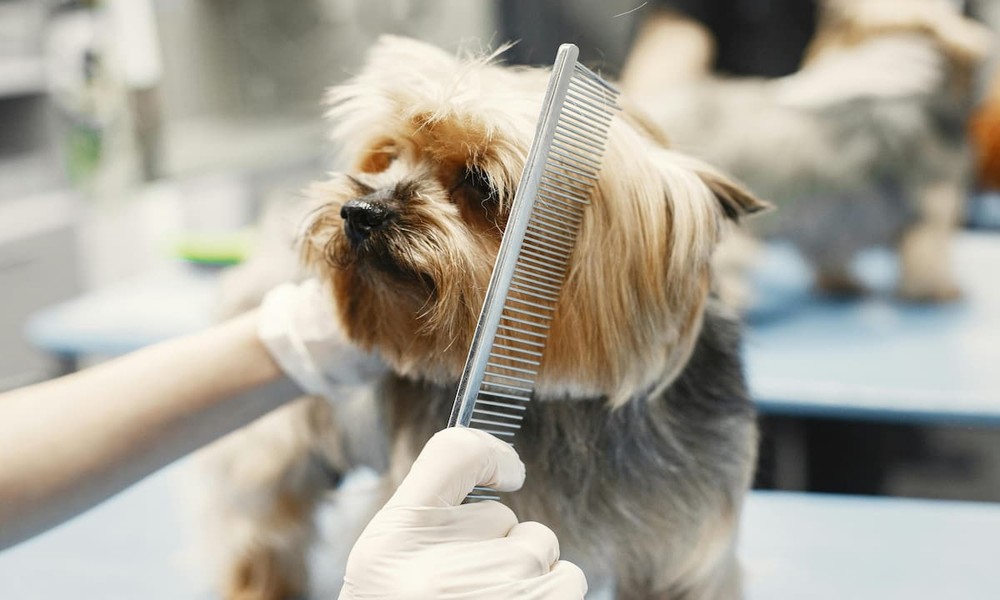
You might be looking at your pet right now at a Guelph animal hospital, wondering if that smell, that matted spot of fur, or that constant scratching is “normal,” and feeling a little guilty that life got busy and grooming slipped down the list. You are not alone. Most pet owners juggle work, family, and a hundred tiny tasks, and grooming often feels like a “nice to do” instead of a “must do.”end
Then something changes. Maybe your dog starts licking a paw until the fur is gone, or your cat’s ears begin to smell sour, or the groomer quietly says, “You should have your vet look at this.” In that moment, grooming stops being about looks and suddenly feels like it might be about health.
Here is the bigger picture. Regular grooming and good hygiene are not just about keeping your pet clean. They are part of basic medical care. Clean skin and coat, trimmed nails, clear ears, and healthy teeth give your veterinarian a better chance to catch problems early, and they keep your pet more comfortable every single day.
So where does that leave you? It means that by understanding why grooming and veterinary health are so tightly linked, you can use bath time, brushing, and nail trims as quiet checkups at home, and you can work with your general veterinarian in a smarter, more confident way.
Is Grooming Really A Health Issue Or Just About Appearance?
It often starts small. Your dog skips one bath, then another. Your indoor cat rarely gets brushed. The nails tap a little louder on the floor, but your pet still seems happy, so you let it go. Because of this, it is easy to think grooming is mostly cosmetic.
The trouble is that many medical problems hide in the same places you handle during grooming. Under the fur. Between the toes. Inside the ears. Along the gum line. When grooming is skipped, these problems can grow quietly until they are painful or expensive or both.
Think about a few common scenarios.
A long-haired dog goes months without brushing. Small knots turn into tight mats. Under those mats, the skin stays damp and dark. That warm, closed space is perfect for bacteria and yeast. By the time the dog gets to a general veterinarian, there may be raw, infected skin that needs medication, not just a haircut.
Or a cat who hates having its nails trimmed stops jumping on furniture. The owner assumes the cat is “just getting old.” A vet visit reveals overgrown nails curling into the paw pads. The pain was slow and quiet, but very real.
Because grooming and hygiene are so closely tied to health, skipping them can carry emotional weight too. Owners often feel ashamed when a vet or groomer uncovers a problem that “could have been caught sooner.” That shame is heavy, and it does not help anyone.
So what is the healthier way to think about this? You are not supposed to see everything. That is why you have a veterinary team. Your job is to use regular home care to give your veterinarian more clues and more chances to catch disease early, before it steals your pet’s comfort.
How Do Grooming Habits Help Your Veterinarian Protect Your Pet?
Good grooming habits turn everyday care into a simple health check. Each part of the routine connects directly to veterinary health.
Bathing with the right technique helps keep the skin clean and easier to examine. Following basic bathing tips from veterinary sources can prevent dry skin and irritation. When the coat is clean and not greasy or matted, your veterinarian can see rashes, lumps, or parasites much sooner.
Regular brushing removes loose hair and spreads natural oils, but it also gives you a chance to feel along the body. You may notice a new lump, a hot spot, or a patch of hair loss. That is exactly the kind of thing you want to bring to your general veterinarian before it turns into a bigger problem.
Nail trimming affects more than just scratching on the floor. Overgrown nails change how a pet stands and walks. That can strain joints and make arthritis worse. Trimming nails to a healthy length protects mobility, which is something your vet cares about just as much as you do.
Ear cleaning and inspection are another bridge between grooming and medical care. Checking the ears weekly for redness, odor, or discharge means you can catch infections early. Guidance on grooming your pet safely can help you avoid over-cleaning or damaging the ear canal.
Even something as simple as wiping your pet’s eyes or checking around the mouth can reveal dental disease, eye infections, or facial pain. A small change, like new drooling or a change in smell, can signal something your vet needs to evaluate.
Because of this close connection, many veterinary teams share written care guides. One helpful example is this guide on the importance of grooming your pet. Resources like this reinforce that grooming is not an “extra.” It is part of everyday pet healthcare.
Should You Handle Grooming Yourself Or Use Professionals?
Once you see that grooming is tied to health, another question shows up. How much should you do at home, and when should you rely on professionals such as groomers and your veterinarian?
There is no single right answer. It depends on your pet’s coat type, age, temperament, and medical needs, and also on your own comfort and time. The goal is not perfection. It is a simple routine that keeps your pet comfortable and gives your veterinarian a clear view of their skin, coat, and body.
| Grooming Option | What It Covers | Benefits For Health | Possible Drawbacks |
|---|---|---|---|
| DIY Home Grooming | Basic brushing, nail trims, simple baths, quick ear and eye checks | Builds trust with your pet. Lets you notice changes early. Usually lower cost. | Risk of cutting nails too short. May miss subtle medical signs if you are unsure what to look for. |
| Professional Groomer | Haircuts, thorough brushing, sanitary clips, de-shedding, some ear and nail care | Skilled with coat types. Can spot surface issues and suggest a veterinary visit. Helpful for anxious or large pets. | Not trained to diagnose or treat disease. Some pets find grooming stressful. Cost adds up. |
| General Veterinarian Visit | Skin, ear, nail, and dental exams. Medical baths or treatments when needed. | Can diagnose infections, allergies, parasites, and pain. Can prescribe treatment and long term care plans. | Not meant for routine beauty grooming. Waiting until there is a problem can be more expensive than prevention. |
Many families use a mix of all three. Simple tasks at home, regular grooming appointments for coat maintenance, and scheduled veterinary visits for medical checks. The key is communication. Tell your vet what the groomer has noticed. Tell the groomer what your vet has diagnosed. Together, they support your pet’s comfort and health.
What Can You Start Doing This Week To Protect Your Pet’s Health?
It can feel overwhelming to change everything at once. You do not need a perfect grooming schedule to help your pet. You just need a few steady habits that you can keep up. Here are three powerful places to start.
1. Create a simple weekly “hands-on check” ritual
Pick one day a week. While your pet is calm, gently run your hands over the entire body. Part the fur and look at the skin in several areas. Check the paws, nails, ears, and around the tail. You are not trying to diagnose anything. You are simply learning what “normal” feels and looks like for your pet.
If you notice new lumps, strong odors, redness, bald spots, or anything that makes your pet flinch, write it down. Share that list with your general veterinarian. This quiet weekly check uses grooming time as an early warning system for medical problems.
2. Match your grooming routine to your pet’s coat and lifestyle
Short-haired indoor pets may only need regular brushing, nail trims, and occasional baths. Long-haired or double-coated pets usually need more frequent brushing to prevent mats and skin issues. Active pets that swim, hike, or roll outside may need more frequent baths and paw checks.
If you are unsure where to start, ask your veterinary team for a grooming schedule that fits your pet’s breed, age, and any existing conditions. They can help you choose safe shampoos and tools, and they may direct you to trusted resources such as veterinary-approved bathing instructions or grooming guides.
3. Use grooming issues as a reason to call your veterinarian early
Many owners wait until a problem is severe before seeking help. Instead, treat grooming changes as early messages from your pet’s body. If your dog suddenly hates being brushed in one area, that might signal pain. If your cat’s coat becomes greasy or dull, that can be a sign of illness. If nail trims become a battle, there may be joint discomfort or anxiety.
When these changes show up, reach out. Describe what you see, how long it has been going on, and whether your pet’s behavior or appetite has changed. Your veterinarian can decide if a visit is needed, suggest at home adjustments, or recommend a professional groomer who is comfortable working with medical conditions. This approach uses the connection between pet grooming and health to your advantage instead of waiting for a crisis.
Bringing It All Together For Your Pet’s Comfort And Health
Grooming and hygiene are not about having the “best looking” pet. They are about comfort, dignity, and early protection from disease. By brushing regularly, checking ears and nails, and paying attention to changes in coat, skin, or smell, you give your veterinarian more chances to keep your pet well, and you spare your companion from problems that build quietly over time.
You never have to be perfect with grooming. You only need to be curious and consistent. Use the small moments, like brushing on the couch or a weekly bath, as gentle health check-ins. Ask your general veterinarian to help you build a plan that fits your pet and your life. When grooming and veterinary care work together, your pet gets what they truly need. Comfort, safety, and a better chance at a long, easy life by your side.
