

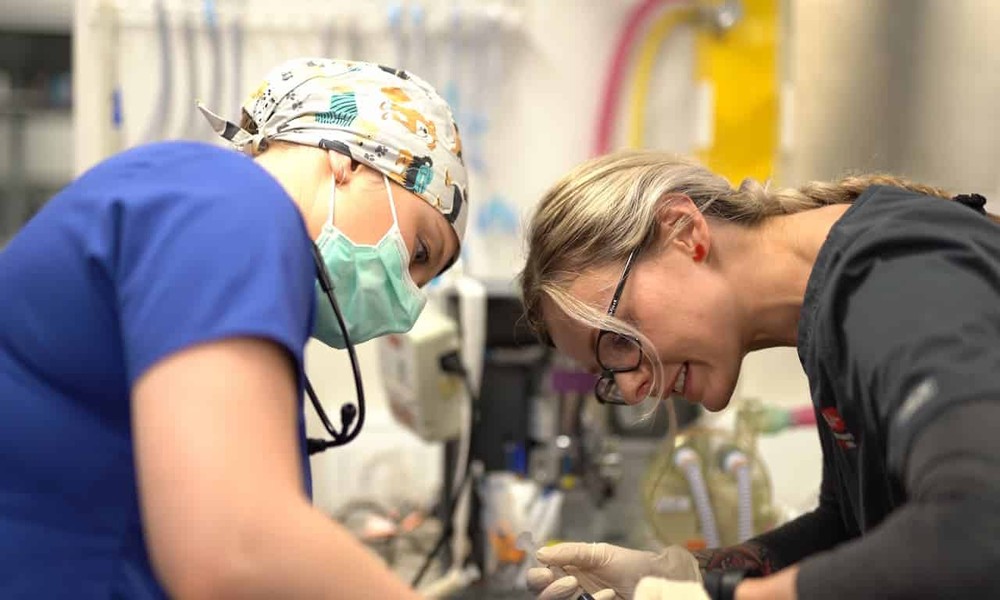
When a pet crashes into crisis, you feel shock first and questions second. You want to know if anyone can help fast. An animal hospital gives you that answer. It does more than treat broken bones and bleeding wounds. It creates order in chaos, so your pet has a real chance to live. In this blog, you will see four clear ways animal hospitals improve emergency outcomes. You will see how trained teams move with purpose, how equipment supports quick decisions, and how clear plans cut delays. You will also see how your regular clinic and an emergency hospital work together. That includes how a veterinarian in Queen West, Toronto may prepare you before trouble starts. When you understand these four strengths, you can act faster, ask sharper questions, and push for the care your pet needs when every minute feels heavy.
1. Fast triage and clear roles
In a true emergency, the first five minutes matter. Animal hospitals use triage. That means staff sort pets by how sick they are. A pet that cannot breathe goes ahead of a pet with a cut paw. This feels harsh. It saves lives.
You will see three core steps when you walk in with an emergency.
- Front staff alert a nurse the second you say “not breathing” or “hit by a car”.
- The nurse or doctor checks breathing, heart rate, and level of response.
- Your pet moves straight to treatment if life is at risk.
Each person has a set role. One holds the airway. Another starts oxygen. Another starts a line for fluids. Someone records times and drugs. Nobody stands still. This structure cuts waste time and human error.
The goal is simple. Keep blood flowing. Keep oxygen moving. Keep pain under control. You may wait in the lobby during this first rush. That wait can feel cruel. Yet it lets the team work without crowding. You help your pet most when you give the team space and clear facts.
2. Tools that support quick answers
Animal hospitals stock tools that turn guesswork into clear choices. You cannot see inside a chest or belly. Staff can. They use tests that show what is breaking down and what can still be saved.
Common tools include:
- Digital X-rays to check lungs, bones, and swallowed objects
- Ultrasound to spot fluid, bleeding, or organ twists
- Blood tests to check red cells, clotting, sugar, and organ function
- Blood pressure and oxygen monitors for real-time tracking
These tools guide treatment. They show if your pet needs surgery, blood, or only close watch. They also help staff see if treatment is working or failing.
You can see how sudden problems strike in pets from the United States data. The Centers for Disease Control and Prevention shares reports on animal-linked injuries and diseases. One example is their page on dog-related injuries in children. Sudden trauma, like bites, calls for strong tools and fast care. Animal hospitals plan for that.
3. Team training and practice
Emergency care looks like a calm blur. That calm comes from training. Staff run drills for CPR, shock, seizures, and bleeding. They repeat the same steps until they become a habit. This shortens each pause when seconds feel long.
Here is a simple view of what you gain when a team trains often.
|
Hospital factor |
Low training |
High training |
|---|---|---|
|
Time to start CPR |
Staff search for tools. Start late. |
Team moves at once. Start in seconds. |
|
Drug dosing |
Math done during crisis. Higher risk of error. |
Charts ready. Doses checked by two people. |
|
Owner updates |
Scattered messages. More fear. |
Named person updates you at clear points. |
Good hospitals also learn from each case. They review what went right. They face what went wrong. Then they change how they work. This constant review protects future pets.
Training does not erase risk. Some pets are too sick or hurt to save. Honest staff will say this. Yet training gives each pet a fair fight. That respect for life is the core of emergency work.
4. Planning before and after a crisis
Emergency care starts long before the drive to the hospital. Your choices in calm times change what happens on the worst day.
You can prepare by:
- Keeping vaccines current so infections do not stack on trauma
- Using heartworm, flea, and tick control to protect organ health
- Storing poison control contacts and local emergency hospital numbers
- Keeping a small kit with a muzzle, leash, towel, and a copy of records
Routine care lowers risk from chronic disease. The American Veterinary Medical Association explains how regular exams catch heart, kidney, and weight problems early. Early care means your pet is stronger when a sudden crisis hits.
After the emergency, the hospital and your regular clinic share records. They plan pain control, wound checks, and diet changes. They also watch for hidden harm like stress, fear, or new behavior. You support this by asking three simple questions before discharge.
- What signs mean I must come back right away
- What drugs, doses, and times should I follow
- When should my regular vet see my pet again
These steps keep small setbacks from turning into a second crisis.
How you can act today
You cannot control when disaster hits. You can control your plan. Today, you can do three things.
- Save the number and address of the nearest 24-hour animal hospital.
- Ask your regular vet how they share records in an emergency.
- Build a short written plan for your family so anyone can act fast.
When a crisis comes, you will still feel fear. Yet you will also hold a clear script. That calm script, joined with a strong animal hospital, gives your pet the best chance to come home.

Carmel Issac is a blogger and writer. He loves to express his ideas and thoughts through his writings.
