

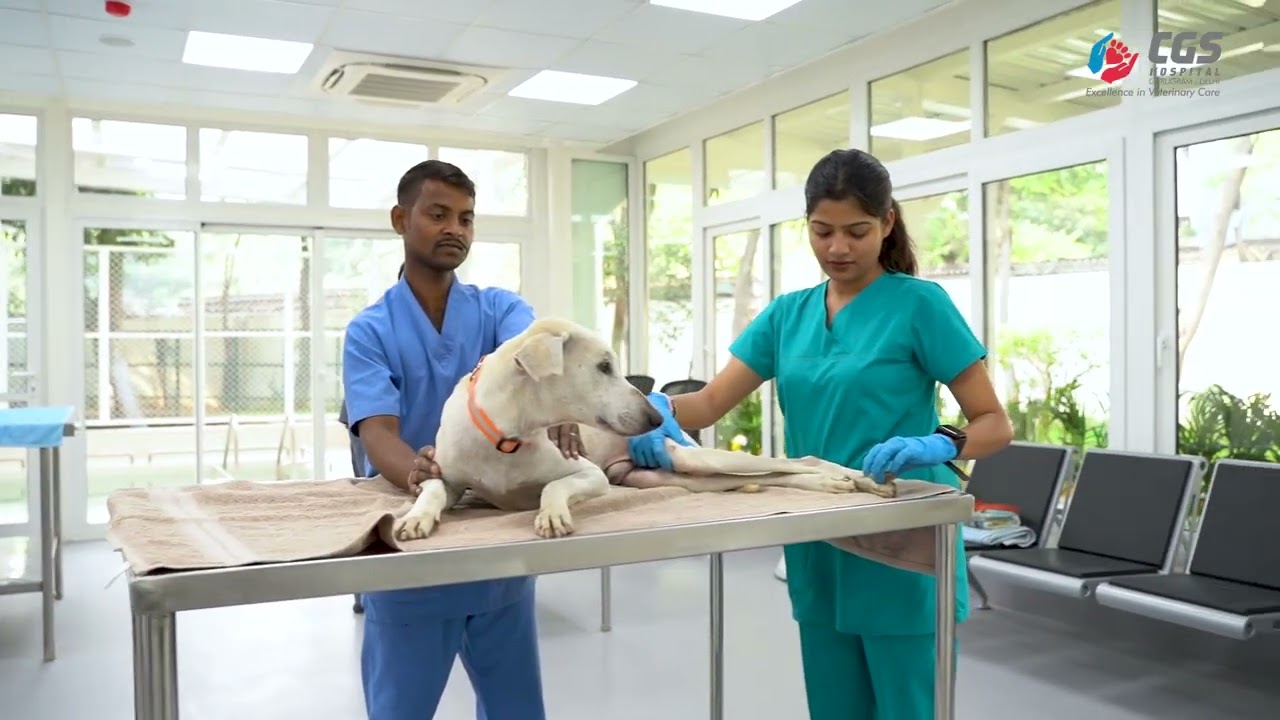
Your pet may struggle after surgery, injury, or a long illness. You see the limp, the stiffness, or the shaking legs. You worry about pain. You worry about what comes next. Rehabilitation and physical therapy give your pet a plan. You do not have to guess. You work with a team that measures progress and adjusts care. Many veterinary hospitals now use tools you may see in human rehab. These include underwater treadmills, targeted exercises, and simple home routines. Each step supports strength, balance, and comfort. The goal is clear. Help your pet move, rest, and play with less pain. If you already see a veterinarian in Vestavia Hills, you may have access to these services. This guide explains how hospitals use rehab. It shows what you can expect, how sessions work, and how you can help at home.
Why Your Pet Might Need Rehab
Rehab is not only for severe injury. You might see slow changes over time. You might also face sudden trauma. Common reasons include three main groups.
- Joint disease such as arthritis or hip problems
- Recovery after surgery such as knee repair or back surgery
- Weakness from age, weight gain, or long illness
Hospitals use rehab to protect healing tissue. They also use it to restore strength and motion. This plan can shorten recovery. It can also lower the risk of new injury.
How Hospitals Build A Rehab Plan
First, the team listens to you. You share what you see at home. You share what your pet can and cannot do. Then the staff examines your pet in a calm room.
During the exam, the team often checks three things.
- Range of motion in joints
- Muscle strength and body weight
- Gait and posture while walking and standing
Next, the veterinarian reviews records and test results. These might include X-rays or advanced scans. The staff then writes a clear plan. You see goals in simple language. You also see how often visits should happen and what you will do at home.
Common Tools And Treatments In Rehab
Hospitals use many simple tools. You may see the same tools used in human care. Each method targets a clear need.
|
Method |
Main Purpose |
Typical Use |
|---|---|---|
|
Underwater treadmill |
Reduce joint strain and build strength |
Post surgery, arthritis, weight loss |
|
Balance and wobble boards |
Improve coordination and core strength |
Weakness, nerve injury, senior pets |
|
Therapeutic exercises |
Restore motion and support joints |
Most rehab plans |
|
Cold packs and heat packs |
Ease swelling or stiffness |
After activity or during flare ups |
|
Massage and stretching |
Ease tight muscles and pain |
Chronic pain, guarding, stress |
What Happens During A Rehab Session
Sessions follow a simple pattern. You and your pet learn what to expect. This can lower stress for both of you.
- Check in. Staff asks about pain, energy, and home progress.
- Warm up. Slow walking or gentle massage prepares muscles.
- Main work. Your pet uses tools such as steps, poles, or the treadmill.
- Cool down. Stretching, light massage, or rest in a quiet space.
The team tracks small changes. They may time how long your pet stands on one leg. They may count steps or measure joint angles. They adjust the plan if your pet struggles or if progress is faster than expected.
Comparing Home Care And Hospital Rehab
You play a strong role in recovery. Still, some tasks belong in the hospital. This simple table can guide your expectations.
|
Type Of Care |
Done At Home |
Done In Hospital |
|---|---|---|
|
Short leash walks |
Yes |
Sometimes |
|
Underwater treadmill |
No |
Yes |
|
Simple stretching |
Yes with training |
Yes |
|
Advanced strength drills |
Sometimes with guidance |
Yes |
|
Pain and drug review |
No |
Yes |
You and the team share the load. The hospital handles complex tasks. You handle daily routines. Together you keep stress on joints low and support healing tissue.
How Long Rehab Usually Takes
There is no single timeline. Still, you can use three general patterns.
- Short-term rehab. Four to six weeks for minor strains or simple surgery.
- Medium-term rehab. Eight to twelve weeks for joint repair or back injury.
- Long-term rehab. Months or lifelong care for arthritis or nerve damage.
The team checks for three signs of progress. They look for better movement. They look for less pain. They look for better daily function, such as stairs or play. When these improve, visit frequency may drop. Home work then takes on a larger role.
Your Role At Home
Rehab fails without clear home support. Your actions each day shape recovery. Three habits matter most.
- Follow movement rules. Use ramps, carpets, and leash walks as advised.
- Control weight. Feed measured meals and limit treats.
- Watch for change. Note new limps, panting, or mood shifts.
You can see guidance on pet weight and exercise from the Centers for Disease Control and Prevention’s healthy weight page. The advice is for people. Still, the same ideas of steady activity and portion control support pets. Your veterinarian can translate these ideas for your home.
When To Call The Hospital
Do not wait if you see warning signs. Quick contact can prevent a setback.
- Sudden refusal to use a leg
- Hard breathing or heavy panting at rest
- Crying, growling, or hiding when touched
- Swelling, redness, or heat near a joint or surgery site
Early action protects healing tissue. It also keeps your pet from forming new pain habits that are hard to break.
Moving Forward With Confidence
Rehab and physical therapy give structure when life feels out of control. You gain a clear plan. Your pet gains careful movement and a chance at more comfort. With a skilled hospital team and steady home work, many pets walk, climb, and play again. You do not have to face this journey alone. Your choices today can change how your pet moves and rests for years.
