

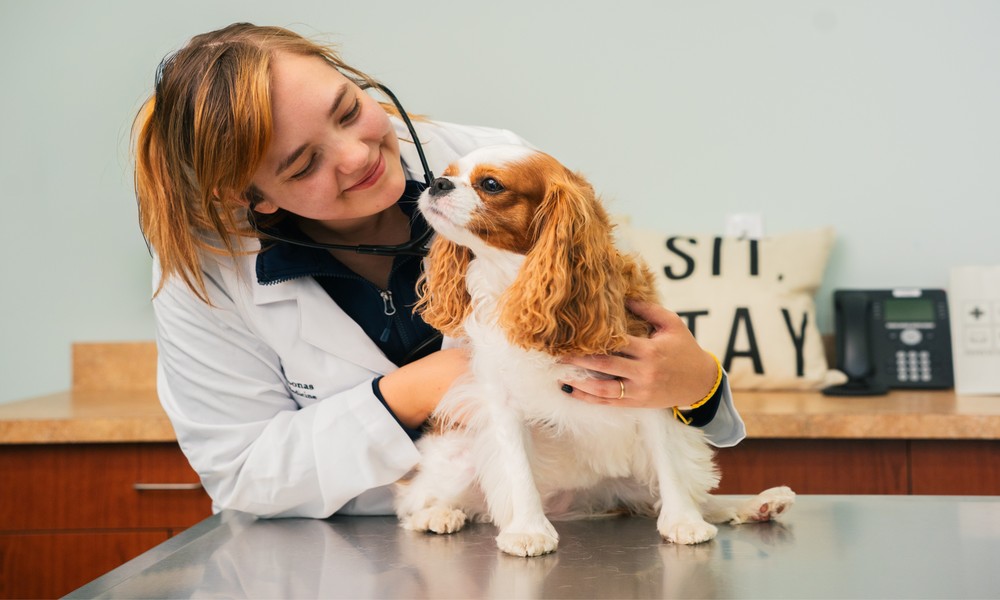
Your pet hides pain. You often cannot see cracked teeth, root infections, or bone loss. Dental X rays expose these hidden problems before they turn brutal. You give your pet relief instead of waiting for a crisis. In an animal clinic in Dallas, X rays guide every step of dental care. They show which teeth need removal. They confirm if treatment worked. They help your vet plan safe anesthesia and shorter surgery time. This reduces risk. It also lowers long term costs. Without dental X rays, your vet guesses. With them, your vet knows. You protect your pet from chronic pain, bad breath, and infection that can spread to the heart or kidneys. You give your pet a stronger bite and calmer life.
What Dental X Rays Show That You Cannot See
Most of each tooth sits under the gum line. Your eyes see only the crown. The real trouble often starts in the roots and bone. Dental X rays reveal:
- Broken roots that cause constant pain
- Infections that eat away bone
- Tooth resorption in cats
- Hidden baby teeth that block adult teeth
- Jaw fractures and bone loss from gum disease
This hidden damage spreads slowly. You may not notice small changes. Your pet only eats on one side. Your pet chews less. Your pet sleeps more. X-rays make this damage clear and hard to ignore. You and your vet can act early.
How Dental X Rays Protect Your Pet’s Health
Bad teeth do not stay in the mouth. Bacteria can enter the blood. Then it can reach the heart, liver, and kidneys. The American Veterinary Medical Association explains how oral bacteria can affect major organs.
Dental X-rays help your vet:
- Find infection before it spreads
- Plan the least painful treatment
- Remove only teeth that truly need removal
- Check healing after surgery
This approach spares your pet from slow grinding pain. It also cuts the number of times your pet needs anesthesia. Each safe, planned visit replaces two or three rushed emergency visits later.
Common Dental Problems Found With X Rays
Some problems almost never show on the surface. Yet they cause harsh pain. Dental X-rays often reveal:
- Tooth resorption in cats. The tooth dissolves from the inside. The crown may look normal until the end.
- Abscessed teeth in dogs. Infection at the root tip causes swelling under the eye or jaw.
- Retained baby teeth. The baby tooth stays. The adult tooth twists and traps food and germs.
- Advanced gum disease. Bone melts away around the tooth. The tooth becomes loose.
Without X-rays, many of these teeth look fine. Your pet keeps eating and playing. That does not mean your pet feels fine. X-rays expose the truth so you can give relief.
Comparing Care With and Without Dental X Rays
You may wonder if X-rays are worth the time and cost. The table below shows how care changes when clinics use dental X-rays as a routine part of cleanings.
|
Aspect of care |
Without dental X rays |
With dental X rays |
|---|---|---|
|
Finding hidden disease |
Relies on what the eye and probe can see |
Reveals root, bone, and jaw problems under the gum |
|
Tooth removal decisions |
Based on loose teeth and surface signs |
Based on root health, bone support, and infection spread |
|
Anesthesia time |
May run longer due to surprise findings during cleaning |
Often shorter because the treatment plan is set before work |
|
Pain control |
Pain treated after it becomes clear |
Pain treated early, before it becomes extreme |
|
Cost over time |
Lower upfront, higher long term due to repeat problems |
Higher upfront, lower long term due to fewer crises |
|
Owner confidence |
Some doubt about which teeth truly need work |
Clear images that explain why each step is needed |
Safety Of Dental X-Rays for Pets
Dental X-rays use a focused beam on a small part of the mouth. Modern units use a low radiation dose. Clinics use lead shields and careful settings to reduce exposure. The American Veterinary Dental College supports dental X-rays as a safe part of oral care.
Your pet is under anesthesia during dental X-rays. This keeps your pet still. The team can take clear images fast. Then they can shorten the total anesthesia time through better planning.
What To Expect During A Dental X-Ray Visit
You play an important role before the visit. You can:
- Ask for a full oral exam at each yearly checkup
- Ask if the clinic uses dental X-rays for every cleaning
- Share any changes you see in chewing or breath
- Run blood work if needed
- Use safe anesthesia tailored to your pet
- Take a full set of dental X-rays
- Clean the teeth and treat problems shown in the images
Afterward, the team will show you the images. You will see the roots, bones, and any trouble spots. You can ask direct questions and understand each choice.
How You Can Protect Your Pet Today
You cannot brush away a root infection. You cannot see a dissolving tooth. You can choose a clinic that uses dental X-rays as a routine tool. You can ask for them during cleanings, not only during emergencies.
Your pet trusts you to notice quiet pain. Dental X-rays give you clear proof when something is wrong. They also give you peace when everything looks strong. You gain knowledge. Your pet gains comfort. That trade is worth it every time.

Jack Sylvester is a freelance writer, He is extremely fond of anything that is related to ghostwriting, copywriting, and blogging services. He works closely with B2B businesses providing digital marketing content that gains social media attention. His aim to reach his goals one step at a time and He believes in doing everything with a smile.
