

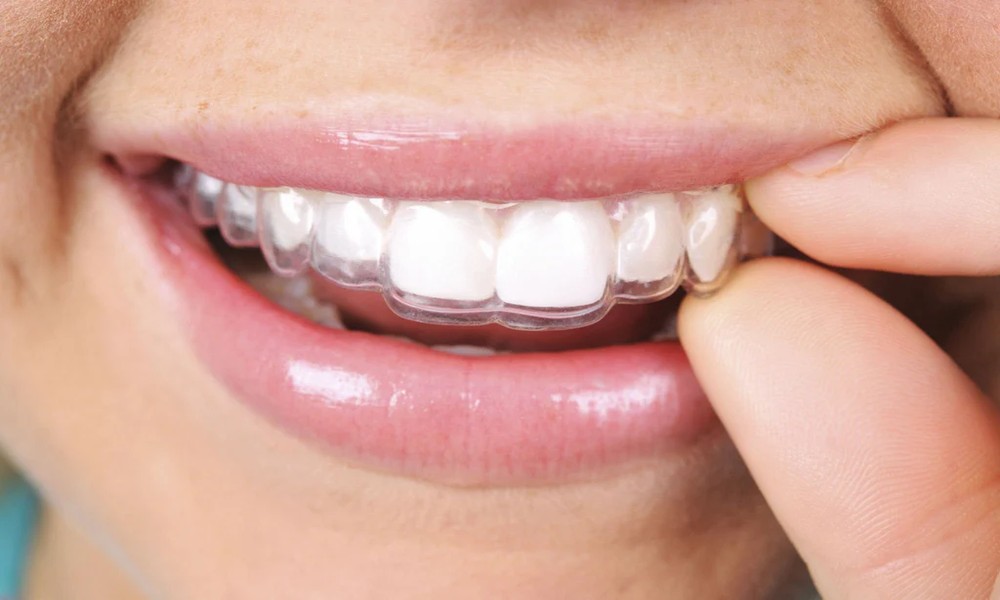
A straight smile is not only about looks. It also affects how you speak, chew, and care for your teeth. Many people finish braces or aligner treatment and then watch their teeth slowly shift again. That can feel crushing. Clear aligners can help protect your results. They guide your teeth into better positions. They also help you keep those changes for years. This blog will show you 3 ways clear aligners support long term smile stability. You will see how they help control small shifts, protect your bite, and support easier cleaning. Each step focuses on your daily life and long term comfort. If you are thinking about treatment or already finished braces, you deserve clear facts. You will also learn how Goodlettsville clear aligners may fit into your routine and help you keep the smile you worked hard to earn.
1. Clear aligners control small shifts before they grow
Your teeth never stop moving. Chewing, clenching, and even aging can push them out of line over time. You may not feel it at first. Then one day you see a new gap or crowded tooth in the mirror. That small change can grow and undo years of work.
Clear aligners help you catch and control these shifts. You wear a series of snug trays that apply gentle, steady pressure. Each tray makes a small change. Together, they move teeth into stronger positions that resist future drift.
Here is how that supports long-term stability:
- You get planned, step-by-step tooth movement that avoids sudden strain on your gums and bone.
- You can replace worn or lost trays faster than a full set of braces.
- You can return to a recent tray if your teeth start to slide, which can stop bigger changes.
Research from the National Institute of Dental and Craniofacial Research shows that tooth position affects how easily plaque builds up. Clear, steady movement helps lower tight spots that trap food. That can reduce new cavities and gum problems that might push teeth out of place again.
2. A stable bite protects your teeth and jaw
Smile stability is not just about straight front teeth. Your bite needs to be balanced in a way. When your bite is off, some teeth take more force than others. That can lead to worn edges, cracked teeth, and jaw pain. Over time, those problems can cause teeth to shift again.
Clear aligners can support a more stable bite in three key ways:
- They can guide your upper and lower teeth into better contact.
- They can reduce crowding that forces your jaw to slide when you chew.
- They can lessen pressure on single teeth that carry too much force.
Here is a simple comparison of common bite problems and how clear aligners can help support stability over time.
|
Bite problem |
Long term risk |
How clear aligners can help |
|---|---|---|
|
Crowded teeth |
Uneven wear and harder cleaning that can lead to gum loss |
Space teeth out so forces spread across more surfaces |
|
Overbite |
Front tooth chipping and jaw strain |
Adjust tooth angles so upper and lower teeth meet more evenly |
|
Underbite |
Tooth wear and chewing trouble |
Shift select teeth to improve front tooth contact |
|
Crossbite |
Chipping and gum loss on single teeth |
Move teeth so they bite on their proper partners |
The goal is simple. You want your teeth to share the load every time you bite. A more stable bite protects your teeth and your jaw. It also helps you avoid future treatments that can unsettle your smile again.
3. Easier cleaning keeps your new smile steady
Long-term smile stability depends on strong support from your gums and bone. Plaque, tartar, and gum infection weaken the support. When the foundation weakens, teeth can loosen and move.
Clear aligners can support cleaner teeth and gums in three ways.
- You remove the trays to brush and floss, so you can clean every surface.
- You reduce tight overlaps that trap food and plaque.
- You can see your teeth clearly while you clean, which helps you reach problem spots.
The Centers for Disease Control and Prevention explains that gum disease is a main cause of tooth loss in adults. Tooth loss changes your bite and lets nearby teeth shift. By keeping gums healthy, you protect both your smile and your bite pattern.
Here is a data snapshot that shows how cleaning affects long-term stability.
|
Cleaning habit |
Effect on long term stability |
How clear aligners support it |
|---|---|---|
|
Brushing twice a day |
Reduces plaque that weakens gums and bone |
Tray removal lets you brush all surfaces with no brackets in the way |
|
Flossing daily |
Cuts gum bleeding that can lead to bone loss |
Straighter teeth and no wires make flossing faster |
|
Regular dental checkups |
Early treatment of gum and bite problems |
Aligner users can change trays after cleanings with no hardware changes |
Making clear aligners work for your family
Clear aligners can support long-term smile stability for teens and adults. That support only works when you wear the trays as directed and keep regular dental visits.
- Wear your aligners for the full number of hours your provider recommends.
- Clean your trays and your teeth every day to prevent buildup.
- Use retainers after treatment to lock in your new tooth positions.
Families often share care routines. You can set shared reminders, plan checkups together, and store aligner cases in the same place at home. Simple steps like these keep treatment on track and protect your investment of time and effort.
You worked hard for your smile. With clear aligners, a stable bite, and strong cleaning habits, you can guard that work for years and keep a confident, steady smile.
