

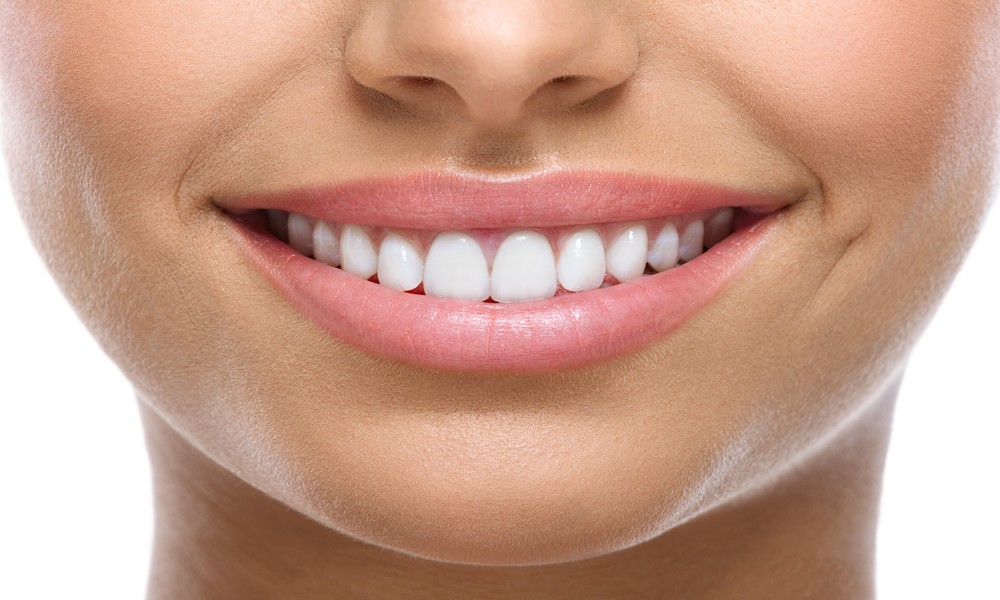
Your smile does not start with your teeth. It starts with your lips.
When you talk, laugh, or hold a steady smile, your lips frame every tooth that shows. That frame is called your “smile line.” It decides how much tooth and gum others see. It can make your teeth look short, long, uneven, or just right.
In cosmetic dentistry, the smile line guides every plan. It affects bonding, veneers, crowns, and even Fresno Invisalign. It shapes how natural your results look in real life, not only in photos.
This blog explains what a smile line is, why lip movement matters, and how dentists measure it. It also shows what can change your smile line and what cannot. You will see how small shifts in lip position can change how your smile feels to you and to others.
What Your Smile Line Really Is
Your smile line is the curve your upper and lower lips form when you smile. It shows three key things.
- How much of your upper teeth show
- How much of your lower teeth show
- How much gum tissue shows above your front teeth
Most people think only about white teeth. Yet the lip line often draws more attention. A high lip line that shows a lot of gum can pull the eye up. A low lip line that covers most teeth can hide nice dental work.
Dentists look at your smile line when your face rests. They also look when you speak and when you laugh. Each moment tells a different story about how your mouth moves in daily life.
Types Of Smile Lines
Most smile lines fall into three simple types.
|
Smile line type |
What others see |
Common concerns |
|---|---|---|
|
High smile line |
All of the front teeth and a band of gum tissue |
“Gummy” look, focus on gums instead of teeth |
|
Average smile line |
Most of the front teeth and a thin line of gum or none |
Often seen as balanced and natural |
|
Low smile line |
Only part of the upper teeth |
Teeth look short or dark, cosmetic work stays hidden |
None of these types are “right” or “wrong.” They only guide choices. A high smile line needs careful gum and edge design. A low smile line may allow simpler work because less tooth shows.
Why Lip Movement Matters More Than You Think
Your lips never stay still. They move when you speak, eat, and react. That motion changes the smile line from second to second.
During a cosmetic visit you may sit still and pose. Yet outside the office you smile in many ways. You may have a shy closed smile, a social smile, and a wide laugh. Each one exposes a different part of your teeth and gums.
For that reason, dentists watch how your lips move through time, not just in one still photo. They may ask you to:
- Say certain words that lift the upper lip
- Count numbers that show the lower teeth
- Give a soft smile and then a big grin
This simple study helps match tooth shape and length to your natural motion. It also helps avoid a fake look where teeth appear too long at rest or vanish when you talk.
How Dentists Measure The Smile Line
Dental teams use clear steps to study your smile line.
- Face photos from the front and from the side
- Short videos of you speaking and smiling
- Measurements of tooth length and gum levels
They compare your teeth to the curve of your lower lip. Many people like a smile where the edges of the upper front teeth follow the lower lip curve. Some like a flatter line. The choice depends on your face shape, age, and taste.
They also check how much of the upper tooth shows when your face rests. Research from groups such as the National Institute of Dental and Craniofacial Research shows that tooth display often changes with age. Younger people tend to show more upper teeth at rest. Older adults often show fewer teeth. This shift affects how dentists plan your care.
Smile Line And Common Cosmetic Options
Your smile line influences almost every cosmetic choice.
|
Treatment |
Smile line impact |
Key planning points |
|---|---|---|
|
Whitening |
Only teeth within the smile line need a full shade match |
Back teeth outside the smile line may not need strong whitening |
|
Bonding or veneers |
Shape, length, and color must fit the lip curve |
High smile lines need careful edge and gum design |
|
Fresno Invisalign and other aligners |
Tooth movement changes which teeth sit in the smile line |
Plans often widen the smile so more teeth follow the lip curve |
|
Crowns and bridges |
Front crowns must match each other within the smile line |
Low smile lines may hide small shade differences |
When you know your smile line type, you can ask better questions. You can ask which teeth will show when you laugh. You can ask how gum height will look once treatment ends.
What You Can Change And What You Cannot
Some parts of the smile line come from bone and muscle. Other parts come from tooth position and gum shape. You can change three main things.
- Tooth length through bonding, veneers, or crowns
- Tooth position with braces or clear aligners
- Gum shape through minor gum contouring in some cases
You usually cannot fully change how high your upper lip lifts. Yet you can soften the effect by shaping teeth and gums to match that motion. Careful planning can turn a “gummy” look into a more even line without removing large amounts of tissue.
The MouthHealthy site from the American Dental Association offers clear tips on how to keep gums and teeth ready for any cosmetic work. Healthy tissue responds better to shape changes.
How To Talk With Your Dentist About Your Smile Line
You do not need dental terms to have a strong talk. You only need clear goals. You can use three simple steps.
- Point to old photos that show a smile you like or want back
- Tell your dentist when you feel most uneasy about your smile, such as in group photos or during loud laughs
- Ask your dentist to show where your current smile line sits and how each option may change it
When you focus on lip movement and the smile line, you shift the talk from “perfect teeth” to a natural look that fits your face. That focus leads to results that feel like you, not like a copy of someone else.
