

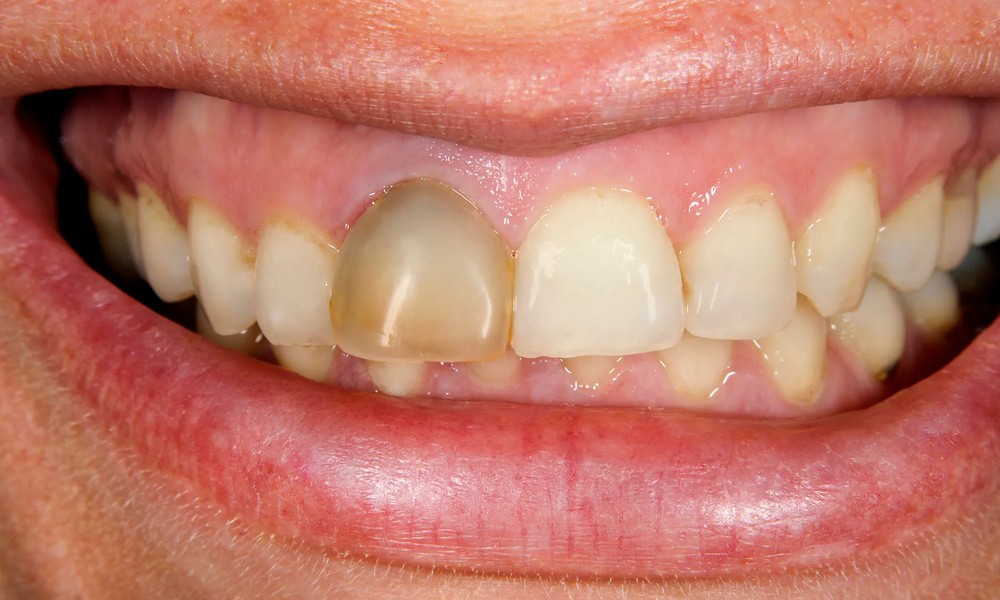
Stained teeth can chip away at your child’s confidence and your peace of mind. The good news is you can prevent most stains at home with simple daily habits. This guide explains what really causes stains, what you can control, and when to call an Attleboro dentist. You will see how food, drinks, and tobacco leave marks. You will learn which brushing routines work and which products do more harm than good. You will also see how your family’s health, medicines, and dry mouth change tooth color. These facts help you protect your child’s smile and your own. You do not need fancy tools. You do need clear steps, steady routines, and honest expectations. Start with small changes today. Then keep them going so teeth stay clean, strong, and natural looking.
What Causes Teeth Stains At Home
Teeth stain for three main reasons. Color from the outside. Changes inside the tooth. Loss of enamel.
Outside stains come from things that touch teeth.
- Dark drinks like soda, tea, and coffee
- Sports drinks and flavored waters with color
- Sauces with strong color like soy sauce and tomato sauce
- Tobacco in any form
Inside changes come from health issues and medicines. High fever in early childhood can change color. Some antibiotics can change color in growing teeth. So can too much fluoride.
Enamel loss makes the yellow layer under the enamel show through. That makes teeth look darker. Acid wears down enamel. Sugar feeds germs that make acid. So do sour drinks and frequent snacking.
Habits That Protect Your Child’s Teeth
You protect teeth in three ways. You clean well. You limit stain makers. You guard enamel.
Use these simple steps each day.
- Brush two times each day for two minutes
- Use a soft brush and fluoride toothpaste
- Help children under age eight with brushing
- Floss one time each day when teeth touch
- Offer water between meals
- Save sweet or sticky snacks for after a meal
Try this pattern for the whole family. Morning brush. After school, water and a small snack. Evening brush and floss. Then only water.
Foods And Drinks That Stain Teeth
Color and acid in food and drinks both matter. You do not need to cut every stain maker. You do need to know which ones hit teeth the hardest.
Common Drinks And Their Stain Risk
|
Drink |
Stain risk |
Acid level |
Simple swap |
|---|---|---|---|
|
Cola soda |
High |
High |
Plain sparkling water |
|
Sports drink |
Medium |
High |
Water with a slice of fruit |
|
Sweet iced tea |
High |
Medium |
Unsweet iced tea with a straw |
|
100 percent fruit juice |
Medium |
Medium |
Water plus a small juice at meals |
|
Plain milk |
Low |
Low |
Keep as is |
|
Tap water with fluoride |
Very low |
Neutral |
Best choice |
You can find more facts on drinks and tooth decay from the Centers for Disease Control and Prevention.
Smart Brushing And Flossing For Less Stain
Good brushing removes stains before it sets. Poor brushing scrubs enamel and gums.
Use these steps.
- Pick a soft brush with a small head
- Use a pea-sized amount of fluoride toothpaste for adults and older children
- Use a smear of fluoride toothpaste for children under age three
- Hold the brush at the edge of the gums
- Use short gentle strokes
- Brush the front, back, and top of every tooth
Next, use floss. Slide the floss between teeth. Curve it around each tooth. Move it up and down. That removes color and plaque between teeth where a brush cannot reach.
Whitening Products At Home
Store shelves show many whitening pastes and strips. Some help with light stains. Some scrape or burn enamel if you use them too often.
Use these rules.
- A whitening toothpaste can help with surface stains
- Use it one time a day, and a regular fluoride paste the other time
- Avoid harsh products for children unless a dentist says they are safe
- Stop use if teeth feel sore or gums look raw
Never use bleach that is not made for teeth. Never share trays or strips between family members. Each month is different.
Health Conditions That Change Tooth Color
Some stains are not from food or drinks. They come from health issues. You still play a strong role.
- Dry mouth from medicines or mouth breathing
- Reflux or frequent stomach upset
- Past injury to a tooth
- Use of some antibiotics in early childhood
Dry mouth makes teeth more open to stains. Offer water often. Ask the doctor if any medicine can be changed. For reflux, follow the treatment plan. That protects teeth and the rest of the body.
When To Call A Dentist About Stains
Home care handles many light stains. Some signs mean you should call a dentist soon.
Take photos over time if you are not sure. If color changes fast, schedule a visit. Early care keeps small problems from turning into deep decay or infection.
Simple Steps You Can Start Today
You do not need a full life change. You need three steady moves.
- Set a family brushing and flossing routine
- Swap one stain-making drink each day for water
- Plan regular dental checkups every six months
These steps protect your child’s smile and your own. They also lower pain, missed school, and high care costs. Every small choice adds up. Each day, you guide your child toward a healthy mouth and a calmer mind.
