

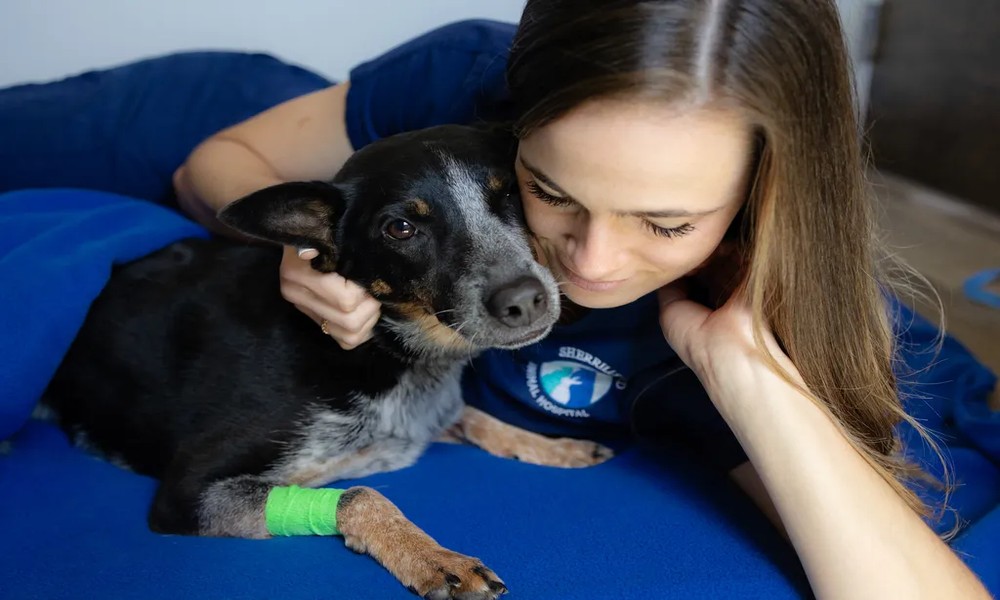
Facing the end of a pet’s life feels heavy and lonely. You may fear pain, confusion, or making the wrong choice. You may worry you will not know when it is time. You are not alone in this. Veterinary clinics stand beside you during this hard season. They focus on comfort, clear guidance, and respect for your bond with your pet. They explain what to expect. They control pain. They create a quiet space where you can stay present and unhurried. In Roanoke, a reliable Roanoke emergency vet and animal hospital can support you at any hour, including sudden crises at night or on weekends. Their role is simple. They listen. They assess your pet’s condition. They help you weigh options with calm honesty. This support allows you to honor your pet’s life and choose a peaceful goodbye with less fear and regret.
Knowing When It May Be Time
Deciding when to say goodbye brings deep stress. You may feel torn between hope and reality. Veterinary clinics guide you with clear signs and simple tools.
You can watch three main parts of your pet’s life.
- Comfort
- Daily activity
- Joy
You can track these with a quality of life scale. The Ohio State University offers a helpful pet quality of life tool at vet.osu.edu. You rate pain, eating, breathing, and social contact. You bring this to your vet. Together you review patterns, not one bad day.
Three warning signs often mean it may be time.
- Pain that medicine no longer controls
- Little or no interest in food or water
- Struggle to breathe or move even short distances
Your vet does not push you. The clinic gives facts in plain terms. You decide with full support.
How Clinics Manage Pain And Comfort
End of life care focuses on comfort. Cure is no longer the goal. Peace is the goal. Your vet uses simple methods that work together.
- Pain medicine by mouth or injection
- Anti nausea medicine
- Fluids under the skin for dehydration
- Soft bedding and support for weak joints
Veterinary teams follow clear guidelines for pain control. The International Association for the Study of Pain and many vet schools teach that untreated pain harms the body and mind. The clinic checks pain scores often and adjusts treatment. They watch breathing, heart rate, and response to touch.
You also play a key role. You can keep your pet warm and clean. You can offer small meals and water in easy reach. You can keep loud sounds and bright light away. The clinic explains each step in plain words so you feel steady, not lost.
Comparing Care Choices Near The End
You may face three main paths. Routine clinic visits, hospice style care at home, or euthanasia at a clinic or at home. Each has strengths and limits. The table below can help you think through these choices with your vet.
Common End Of Life Care Options For Pets
|
Option |
What It Involves |
Best When |
Possible Limits |
|---|---|---|---|
|
Ongoing clinic visits |
Regular exams, medicine changes, lab tests, short stays for fluids or oxygen |
Your pet still travels without strong stress. Treatment can still ease signs |
Trips may tire your pet. Costs can rise over time |
|
Hospice style care at home |
Planned comfort care at home with vet visits as needed. Focus on pain relief and calm routine |
You want your pet at home. You can give medicine and basic care between visits |
Not all clinics offer full hospice support. You still face sudden crises |
|
Euthanasia at clinic |
Planned, peaceful death in a quiet room with you present if you choose |
Quality of life is poor. Pain or distress no longer responds to treatment |
Travel to the clinic may cause brief stress for some pets |
|
Euthanasia at home |
Vet comes to your home. Your pet rests in a known place with family nearby |
Your pet fears car rides or clinics. You want a private setting |
Not all vets offer house calls. Response in sudden crises may be slower |
What To Expect During Euthanasia
Fear often grows from not knowing what will happen. Clinics walk you through each step before anything starts. You choose how much you want to see.
Most clinics follow a simple three step flow.
- First step. The team settles you in a quiet room. They may place a small IV catheter so medicines enter a vein smoothly. They explain each step again and answer questions
- Second step. Your pet receives a strong sedative. This feels like falling into deep sleep. Breathing slows. Muscles relax. You can touch and speak to your pet during this time
- Third step. After you say you are ready, the vet gives the final medicine through the IV. This stops brain function and the heart. It works fast
The body may show small movements or deep breaths after the heart stops. These are natural reflexes, not signs of pain. The vet checks the heart and eyes to confirm death.
You choose whether to stay in the room or step out. Both choices show love. The team respects your choice without judgment.
Support For Children And Family
End of life care affects your whole home. Children feel loss even when they cannot explain it. Honest, simple words help them cope.
- Use clear words like “died” and “death” instead of “went away”
- Invite questions and say when you do not know an answer
- Offer small ways to say goodbye such as a drawing, letter, or shared story
The American Academy of Child and Adolescent Psychiatry offers guidance on helping children with grief at aacap.org. You can adapt these ideas to pet loss.
Clinics often keep lists of local grief groups, hotlines, and reading material. You can ask for these before or after the visit. You do not need to rush your grief. You also do not need to grieve alone.
Aftercare And Honoring Your Pet
Once your pet has died, the clinic guides you through next steps in a calm, clear way. Staff talk with you about three common choices.
- Private cremation with ashes returned to you
- Communal cremation without ashes returned
- Home burial where local law allows
Staff manage the details with respect. They label remains with care. They track each step so you do not have to carry that weight.
You can plan a simple ritual that fits your home. You might plant a tree. You might place a collar or toy in a special spot. You might keep a photo near a favorite chair. These small acts give shape to grief and honor the years you shared.
Reaching Out For Help
You do not need to wait until a crisis to ask about end of life care. You can raise these questions during any visit. Your vet can explain options long before you must decide. That early planning often reduces fear later.
Veterinary clinics offer more than medicine. They offer clear facts, gentle honesty, and steady presence. With that support you can face the end of your pet’s life with less chaos and more peace. You can stand by your pet with love and with informed choices from the first sign of decline through the final goodbye.
