

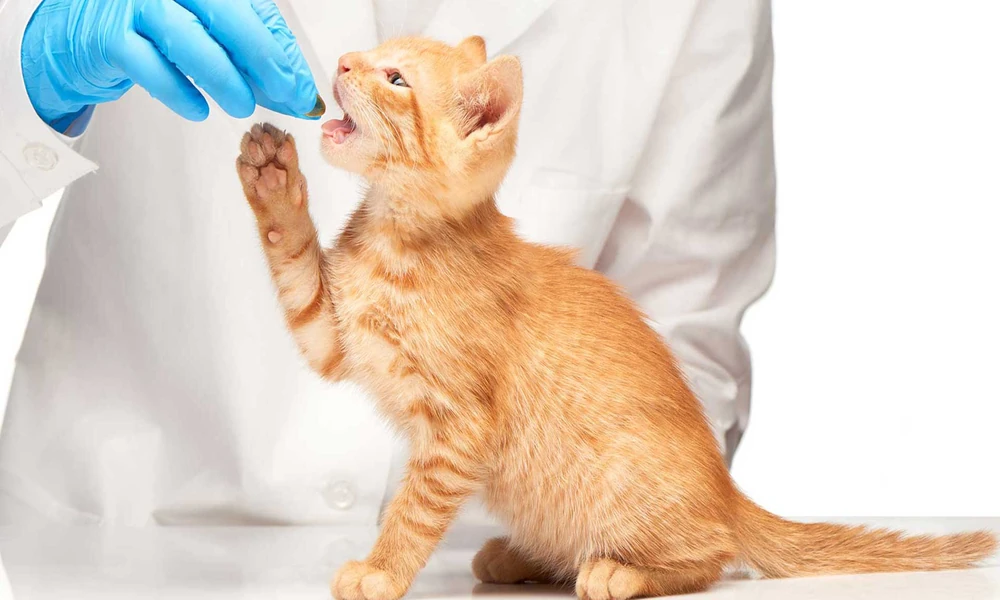
You might be feeling that mix of worry and hope that comes with a pet visit to a veterinary in Cape Coral. Maybe your dog seems tired, your cat is eating less, or everything looks fine, and your veterinarian still recommends lab work. That can feel confusing at first. If your pet seems normal, why test anything at all?
The short answer is simple. Bloodwork often shows what your pet cannot. It can uncover early illness, guide treatment, and help your veterinary team make safer choices about surgery, medication, and ongoing care. When you understand why blood testing matters, it becomes easier to see it as one of the most useful parts of an animal clinic visit, not just an extra line on a bill.
Why would an animal clinic recommend bloodwork when my pet looks fine?
This is where many pet owners get stuck. You know your pet better than anyone, and if they are still eating, playing, or asking for attention, it is natural to wonder whether testing is really needed. The hard part is that animals are very good at hiding pain and illness. By the time clear symptoms show up, a problem may already be advanced.
Bloodwork helps catch changes before they become harder to manage. It can point to issues with the kidneys, liver, blood sugar, infection, inflammation, anemia, and more. According to VCA Hospitals, blood work can reveal problems your pet cannot tell you about, which is one reason routine testing is often recommended even during wellness visits.
So, where does that leave you? It means preventive testing is not about assuming the worst. It is about seeing the fuller picture. A pet may appear healthy on the outside while early disease is quietly developing inside.
What can blood testing for pets actually show, and why does that matter?
Blood tests are not just one thing. They often include a complete blood count and a chemistry panel. These look at different parts of your pet’s health. One test may check red and white blood cells. Another may look at organ function, protein levels, electrolytes, or blood sugar. In some cases, your veterinarian may also suggest thyroid testing, clotting tests, or screening for parasites and infectious disease.
If that sounds like a lot, it helps to think of bloodwork as a map. It does not answer every question, but it gives direction. Washington State University explains how to understand your pet’s lab tests in a way that makes this process less mysterious. Results can help your veterinarian decide whether your pet needs more testing, a change in diet, medication, fluids, or simply close monitoring.
This matters in everyday situations too. What if your pet needs dental work under anesthesia? Pre-anesthetic bloodwork can reveal hidden concerns that affect safety. What if your older cat is drinking more water, but still acts normal? Blood testing may help identify kidney disease or diabetes before a crisis happens. What if your dog has been vomiting for a day? Lab work can help tell the difference between a mild stomach upset and something more serious.
Pet bloodwork also helps avoid guesswork. Without it, treatment can become more trial and error, which may cost more in the long run and delay the right care.
How does bloodwork compare to waiting for symptoms to get worse?
Waiting can feel easier in the moment, especially if your pet dislikes vet visits or you are worried about cost. But waiting has its own price. When illness is found later, treatment can become more urgent, more expensive, and more stressful for both you and your pet.
| Approach | What It Can Offer | Possible Risk |
|---|---|---|
| Routine bloodwork during wellness care | Early clues about organ function, infection, anemia, and chronic disease | May uncover issues that need follow-up testing |
| Bloodwork before surgery or anesthesia | Helps assess safety and supports better planning | Skipping it may miss hidden problems that affect recovery |
| Waiting until symptoms are obvious | Avoids testing in the short term | Illness may be more advanced, harder to treat, and more costly |
Seen this way, lab testing is often less about adding care and more about making care smarter. Many clinics also rely on clinical pathology services to interpret results with context, not just numbers on a page. Washington State University outlines the role of clinical pathology in veterinary medicine, which shows how these tests support clearer decisions.
What should you do if your veterinarian suggests bloodwork at an animal clinic?
You do not need to know every lab value to make a good decision. You just need the right questions and a clear next step.
1. Ask what the test is checking for.
If bloodwork is recommended, ask what your veterinarian is looking for and how the results could change care. That one question can turn a vague recommendation into something concrete and easier to understand.
2. Ask how urgent it is.
Some tests are routine and preventive. Others are time-sensitive because symptoms suggest a more serious problem. Knowing the timeline helps you weigh your options without panic.
3. Ask what happens after the results come back.
Will normal results clear your pet for a procedure? Will abnormal values lead to medication, imaging, diet changes, or repeat testing? When you know the likely next step, the process feels less overwhelming.
Why is bloodwork such an important part of veterinary clinic services?
Because it helps your pet get care based on evidence, not guesswork. It protects pets who seem healthy, supports pets who are clearly unwell, and gives you better information when choices feel hard. That is the real value of blood testing in animal clinic services. It brings hidden problems into the open while there is still time to respond well.
If your veterinarian recommends bloodwork, it is okay to feel uncertain at first. Ask questions. Get clarity. Then move forward knowing that this step is often one of the kindest ways to protect your pet’s health now and later.
