

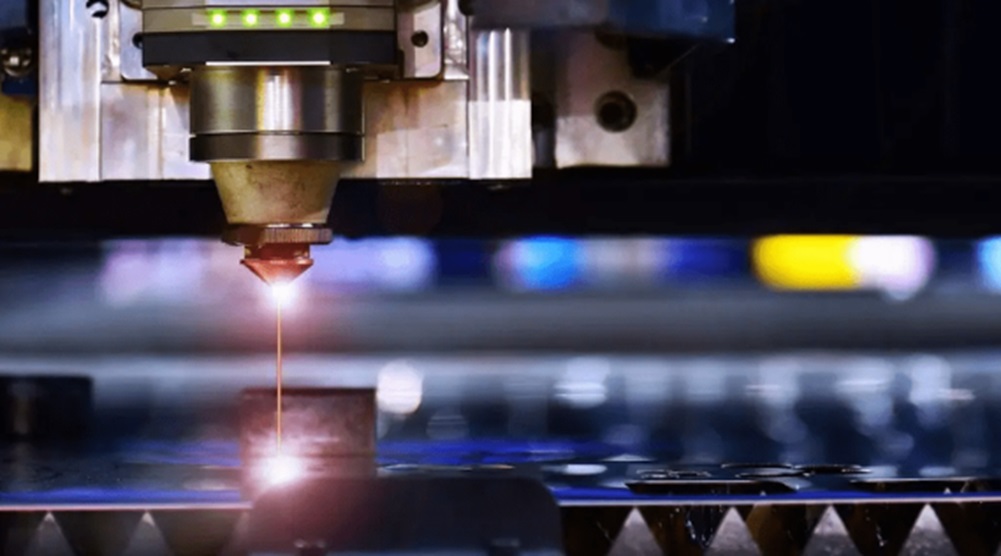
Laser engraving and marking technologies have become essential across industries such as manufacturing, electronics, and product customization. While these methods offer accuracy and efficiency, they also produce hazardous fumes that pose serious health risks to workers. Implementing effective laser fume extraction systems is crucial for maintaining a safe work environment and ensuring regulatory compliance.
These systems are not just accessories—they are protective tools that shield both personnel and equipment from harmful airborne pollutants.
The Hidden Dangers of Laser Fumes
When materials like acrylic, PVC, metals, or coated surfaces are engraved or marked with a laser, they release volatile organic compounds (VOCs), fine particulates, and potentially carcinogenic substances. These emissions are often invisible and odorless, making them easy to ignore. However, prolonged exposure can lead to respiratory issues, skin irritation, eye discomfort, and long-term health complications.
Unlike dust that settles, laser-generated fumes remain suspended in the air, posing continuous exposure risks in enclosed or poorly ventilated workspaces. Without proper extraction, these contaminants quickly accumulate and degrade air quality—endangering not only operators but also the performance of sensitive machinery.
Choosing the Right Extraction System for Your Workspace
Selecting the right equipment depends on understanding how to choose a laser fume extractor that aligns with your operational needs. Key factors to evaluate include:
- Filtration capabilities: Look for systems with multi-stage filters, particularly HEPA filters for fine particles and activated carbon for gaseous compounds.
- Airflow and suction power: The system should match the intensity and frequency of your laser operations.
- Noise levels: Quiet units are preferred in shared workspaces to reduce operator fatigue.
- Ease of maintenance: Systems with user-friendly filter replacement indicators and minimal downtime help streamline workflow.
Portable options are ideal for flexible workstations, while fixed systems can be integrated into high-volume production lines. A good extractor not only removes harmful substances at the source but also helps prolong the life of laser optics and mechanical parts by preventing fume buildup on critical components.
Protecting Both Health and Production Quality
The fume extraction systems play a dual role in electronics manufacturing. Not only do they shield employees from inhaling toxic emissions, but they also help preserve the integrity of delicate components. Residue from unfiltered fumes can contaminate circuit boards or lenses, leading to reduced efficiency or production errors.
Furthermore, in industries dealing with tight safety regulations, having a reliable extraction system supports compliance with occupational health standards. This safeguards businesses from potential fines, legal liabilities, and reputational damage.
A cleaner work environment also promotes better employee morale, reduces sick days, and increases operational efficiency—all of which contribute to long-term cost savings.
Conclusion
Laser fume extraction systems are no longer optional in modern engraving and marking operations. They are a critical investment in workplace safety and production reliability. By effectively capturing and filtering harmful particles and gases, these systems create a healthier environment, preserve equipment performance, and support regulatory compliance. Whether your facility handles intricate electronics or large-scale metal engraving, the right fume extraction setup ensures your team and your technology can work safely and efficiently every day.
