

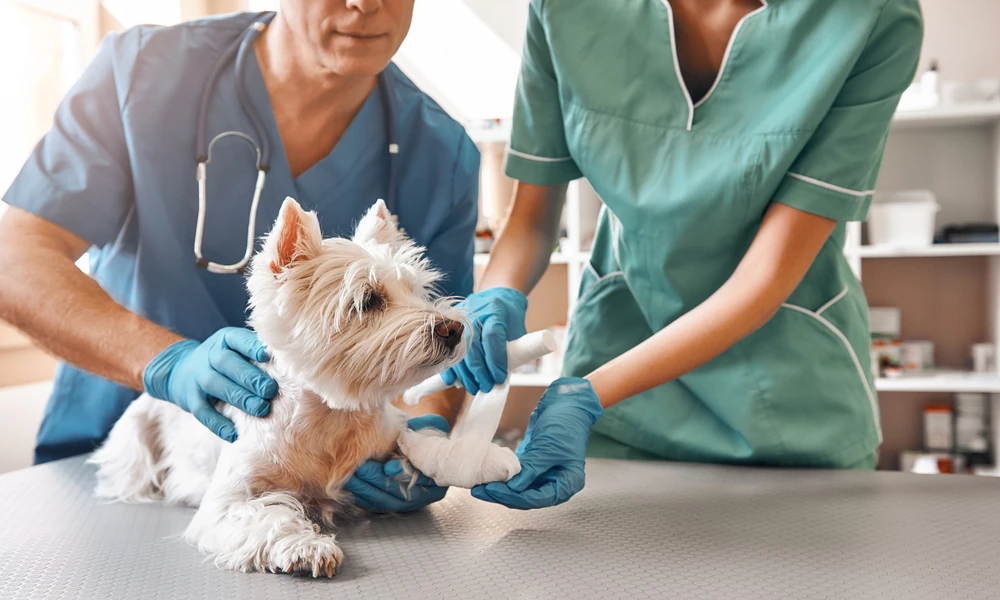
You might be reading this with your heart still racing. Maybe your dog was hit by a car, your cat fell from a balcony, or your pet was in a sudden fight and now you’re frantically searching for orthopedic veterinary surgery in Chicago. One moment life was normal, the next you were rushing out the door, keys in one hand and your pet in the other, wondering if you were already too late.end
In moments like this you are not just scared. You are overwhelmed, confused, and trying to make decisions you never thought you would face. You might be replaying what happened, worrying if you missed something, and at the same time trying to understand what the surgical veterinarian is saying about tests, scans, and possible surgery.
So where does that leave you right now? You want to know what happens behind those treatment room doors. You want to know how a surgical veterinarian actually handles emergency trauma cases, what they look for first, and how they decide what to do. You also want to know what you can do, practically, to help your pet and to stay grounded while everything feels like it is spinning.
Here is the short version. In true emergencies, trauma surgeons follow a calm, structured plan. They stabilize breathing and circulation, search for hidden injuries, use imaging and lab tests to make fast decisions, and only then move to surgery if it is needed. Your job is not to have all the answers. Your job is to get your pet to care quickly, share what you know, and ask clear questions. The rest is their work.
What actually happens first when a pet arrives with severe trauma?
When you rush into an emergency clinic, it can feel like chaos. People move quickly. Your pet may be taken to the back before you even finish giving your name. It can feel cold and abrupt, and that can hurt when you are already scared.
Behind that urgency is a very specific goal. In a serious trauma, the surgical vet and emergency team are trying to answer three questions as fast as possible. Can your pet breathe on their own. Is the heart pumping enough blood to the organs. Is there any immediately life threatening bleeding that must be controlled right now.
This is called triage and primary survey. Many teams use structured guidelines such as the Veterinary Committee on Trauma resources to stay systematic, even when emotions are high. They will check your pet’s airway, breathing, circulation, level of consciousness, and major injuries in a set order, so nothing critical is missed.
Because of this, you might see oxygen masks, IV catheters, or rapid injections happening before anyone sits down with you to talk. It is not that they do not care about you. It is that the first job is to keep your pet alive long enough for the deeper conversations to happen.
Why do trauma cases feel so confusing and scary for pet owners?
Once the first crisis passes, a different kind of stress kicks in. You may start hearing unfamiliar words like pneumothorax, hemoabdomen, or internal fixation. You might be presented with options. Exploratory surgery or continued monitoring. CT scan or ultrasound. Transfer to a specialty center or stay where you are.
This is where the emotional and financial pressure can collide. You love your pet and want the best care, but you also have to think about cost, time away from work, and the risk that even with surgery, things might not go as hoped. It can feel like you are being asked to sign off on big decisions with only minutes to think.
So what is actually going on in the surgeon’s mind. A veterinary trauma surgeon is weighing several layers at once. How unstable is your pet right now. Are the injuries likely to get worse without immediate surgery. Are there internal injuries that imaging has revealed, like a ruptured spleen, bladder tear, or fractured pelvis. How strong is your pet’s overall health, and what is the realistic chance of recovery and quality of life.
To make those calls, they rely on tests and imaging. Blood work, X rays, ultrasound, and sometimes CT scans help them spot hidden bleeding, organ damage, or fractures. Specialized emergency and critical care teams, like those at university veterinary emergency centers, often work side by side with surgical veterinarians so decisions are not made in isolation.
Even with all that expertise, there are still unknowns. Surgery can reveal more damage than imaging showed. Recovery can be slower or faster than expected. That uncertainty can be scary, yet it is also why your questions matter. Clear, honest conversation helps you and the surgeon walk through the risk and benefit together.
Is emergency surgical care always the answer for pet trauma?
It is natural to think that every serious trauma automatically means surgery. In reality, trauma care is more nuanced. Some injuries are life threatening without surgery. Others can be managed with intensive medical care and time.
When you understand that spectrum, you can have a more grounded conversation with your veterinarian about what is right for your pet, your family, and your situation.
| Situation | Often Managed With Surgery | Often Managed Without Surgery | What This Might Look Like To You |
|---|---|---|---|
| Hit by car with internal bleeding | Yes, if active bleeding from spleen, liver, or torn organs | Sometimes, if bleeding is small and stable | Swollen belly, pale gums, weakness, possible collapse |
| Broken bones | Yes for unstable fractures or joint involvement | Sometimes for small, stable fractures or toe breaks | Limping, not using a leg, visible deformity in severe cases |
| Chest trauma from fall or impact | Yes if lungs or chest wall are torn | Often, with oxygen, chest taps, pain control | Fast breathing, effort to breathe, possible bruising |
| Bite wounds from another animal | Yes if deep, in abdomen or chest, or with tissue loss | Often for small, superficial bites with good drainage | Bleeding wounds, swelling, pain, possible hidden pockets of infection |
| Head trauma | Sometimes, if skull fractures or bleeding need access | Often, with intensive monitoring and medication | Disorientation, seizures, different sized pupils, stumbling |
Seeing these categories does not mean you should try to guess on your own. It only means that in many trauma situations, there is room for discussion. You can ask. Is this the kind of injury that usually needs surgery. Are there non surgical options. What are the likely outcomes for each path.
That is how emergency veterinary surgery becomes less mysterious and more of a shared decision. You are not expected to be the expert. You are expected to be your pet’s voice.
What can you do right now to support your pet through trauma care?
In the middle of all this, you may feel powerless, like everything is in someone else’s hands. You do have influence though, and it shows up in a few key actions.
1. Share a clear, simple story of what happened
In an emergency, details matter. Try to give the team a brief timeline. When the trauma happened. What exactly you saw. How your pet has acted since. For example, “He was hit by a car about 20 minutes ago, rolled once, got up but then collapsed and has been breathing fast.” This helps the surgical vet prioritize which injuries to suspect and which tests to run first.
If you are too upset to remember everything, that is understandable. You can write a few notes on your phone while you wait or ask a friend or family member to help you recall the sequence.
2. Ask three grounding questions before deciding on surgery
When surgery is recommended, your mind may jump straight to cost or fear. Before you answer, ask the veterinarian three questions.
“What is the main goal of this surgery.” “What are the best and worst realistic outcomes.” “If we do not do surgery, what is most likely to happen, and how quickly.”
These questions pull the conversation out of vague worry and into clearer ground. They also give the surgeon a chance to explain their reasoning in plain language. This is how you participate fully in decisions about trauma surgery for pets without feeling rushed into them.
3. Plan for the hours and days after surgery or stabilization
Trauma care does not end when surgery is over or when your pet is discharged. There may be bandage changes, medications, crate rest, rechecks, and emotional ups and downs. Ask early. How long is the expected recovery. What kind of care will my pet need at home. What signs should send us back to the hospital right away.
If you can, line up help from family or friends for the first few days. Arrange a quiet, safe space at home. Make a list of medications and times. These small preparations can reduce stress for both you and your pet when you finally walk back through your front door together.
Holding on to hope when your pet needs emergency surgical care
Standing in an emergency waiting room while your pet is in trauma care is one of the hardest things you may ever do. You may feel guilty for what happened, angry that life changed in a single moment, or numb from sheer shock. All of that is normal.
In the middle of that pain, remember this. There is a method behind what can feel like chaos. The team is not guessing. They are following tested steps to stabilize, assess, and treat your pet’s injuries. They are using their training, their tools, and their experience to give your animal the best possible chance.
Your role is not to be perfect. Your role is to show up, to share what you know, to ask honest questions, and to stay connected to your pet, even through the fear. With that partnership, the path through emergency trauma care, while still hard, becomes a little clearer and a little less lonely.

Carmel Issac is a blogger and writer. He loves to express his ideas and thoughts through his writings.
