

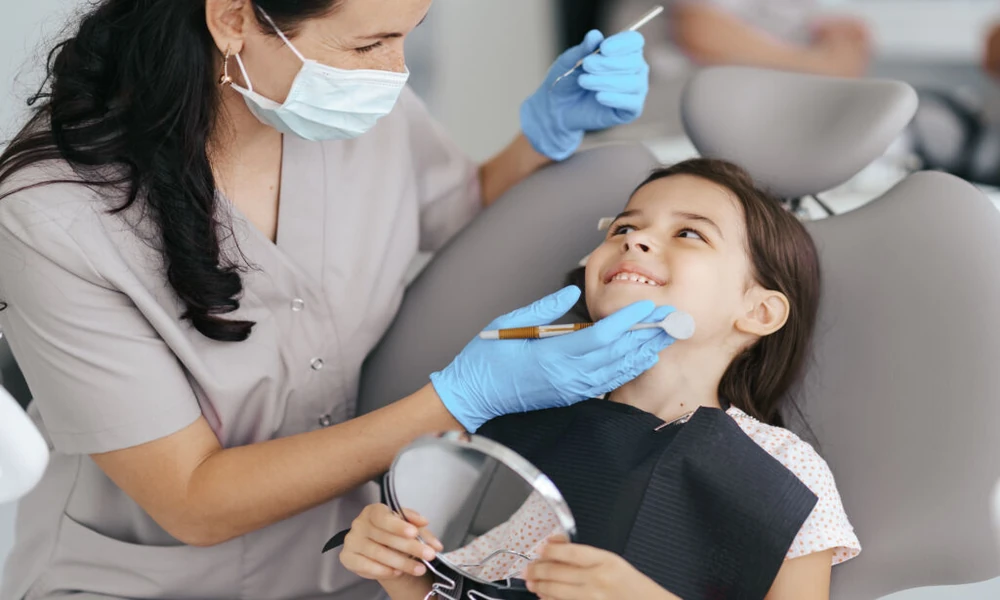
You might be looking at your child’s teeth and wondering if everything is really okay. Maybe there was a small spot on a molar, a bit of bleeding when they brushed, or a complaint about “my tooth feels funny” that came and went. Part of you thinks it is nothing. Another part quietly worries about missing something important, and you consider whether a visit to Castro Valley general dentistry could give you peace of mind.
That tension is very common. You want to protect your child’s health, but you do not want to overreact or drag them to appointments they do not need. At the same time, you know that dental problems can snowball. A tiny cavity can turn into pain, infection, or expensive treatment if it hides under the radar for too long.
This is where the true power of family dentistry for early oral health detection shows up. A trusted family dentist does much more than “clean teeth.” They watch for early warning signs, track changes over time, and help you understand what is normal and what needs attention. That early watchfulness can prevent pain, protect your child’s confidence, and save your family time and money.
So the short version is this. Regular visits with a family dentist create a safety net. Small issues are caught early, big problems are often avoided, and you have a calm, informed partner walking with you through every stage of your child’s growth.
Why does it feel so hard to know what your child’s mouth really needs?
You are not a dentist, yet you are expected to make smart decisions about your child’s oral health. You might hear different opinions from relatives, social media, and other parents. Some say baby teeth “do not matter because they fall out.” Others insist your child needs sealants, fluoride, X-rays, and more from a very young age. It can be confusing and a little overwhelming.
On top of that, children often do not complain until something really hurts. A cavity can quietly grow for months. Gum problems can sneak up, especially if brushing is rushed or snacks are constant. By the time a child is in pain, the treatment is usually more involved and more stressful for everyone.
Because of this, you might wonder if there is a clear roadmap. How often should your child see a dentist? When should the first visit happen? What exactly happens during those visits, and how do they help with the early detection of oral issues?
Thankfully, there is strong guidance. The American Academy of Pediatric Dentistry has published detailed recommendations on the timing of exams and preventive care for infants, children, and teens. These guidelines are not random. They are based on years of research on what actually helps keep children’s mouths healthy.
What happens if early signs are missed?
It can help to picture a few “what if” situations. Not to scare you, but to make the value of early detection feel real.
Imagine a small cavity between two back baby teeth in a 4-year-old. It is too small to see when you look in their mouth. They chew fine, sleep fine, and seem happy. Without regular checkups and X-rays at the right time, that cavity can spread. By age 6, the tooth might hurt so much that your child needs a pulpotomy or extraction. That means more visits, more cost, and more stress for your child who may now be afraid of the dentist.
Or think about early gum inflammation in a 9-year-old with braces. Food gets trapped, brushing is tricky, and the gums start to bleed a little. If no one catches the pattern early and coaches better habits, the gums can stay swollen and tender. That can affect how comfortable the braces feel and how healthy the mouth is when the braces are finally removed.
There are also situations tied to overall health. Subtle signs in the mouth can hint at nutritional issues, mouth breathing, or even conditions like sleep-disordered breathing. A family dentist who knows your child and sees them regularly is more likely to spot these small patterns and start a conversation with you before they grow into something bigger.
So where does that leave you? It makes sense to want a steady partner who sees your entire family and understands each person’s story. That is the quiet strength of a family dentist focused on prevention.
How does a family dentist actually catch problems early?
Family dentistry is not just about having everyone in the same waiting room. It is about continuity. The dentist compares each visit with the last one. They see how teeth are erupting, whether enamel is staying strong, how habits are changing, and how comfortable your child feels in the chair.
There are a few key ways a family dentist helps with the early detection of oral issues.
First, regular exams and cleanings give the dentist a clear, repeated picture of your child’s mouth. The American Academy of Pediatric Dentistry recommends specific intervals for exams, cleanings, fluoride and other preventive services, outlined in their periodicity schedule for pediatric dental care. Following a schedule like this lets your dentist catch trends, not just single problems.
Second, many dentists use structured oral health risk assessments to understand which children are more likely to develop cavities or other concerns. Resources like this clinical oral health risk assessment guide help professionals decide how aggressive prevention should be for each child. That means your child is not treated as a statistic. Their care fits their actual risk.
Third, a family dentist becomes a teacher for both you and your child. You learn what normal development looks like. Your child learns how to brush, floss, and make better choices with snacks and drinks. The National Institute of Dental and Craniofacial Research offers helpful background on children’s oral health and development, and a good family dentist brings that information to life in your specific situation.
Over time, this steady guidance builds trust. Your child sees the dentist as a familiar face, not a stranger who only appears when something hurts. That comfort makes it easier to do thorough exams, take needed X-rays, and complete small treatments before they ever become scary.
Is early family dental care really worth the time and cost?
It is natural to weigh the cost of regular dental visits against the “what if” of skipping them. Many parents think, “We brush, we floss, my child seems fine. Do we really need to go every six months?” To help you think this through, it can be useful to compare early detection with a “wait until it hurts” approach.
| Approach | What it looks like | Short term impact | Long term impact |
|---|---|---|---|
| Proactive family dentistry with early detection | Regular checkups, cleanings, risk assessments, and early treatment of small issues | Time spent on routine visits, small preventive costs | Fewer emergencies, less pain, lower chance of major procedures, better lifelong habits |
| “Wait until there is a problem” approach | Visits only when there is pain, visible damage, or infection | Less time in the chair at first, but higher stress when a problem appears | Higher risk of extractions, root treatments, missed school, and higher bills over time |
When you look at it this way, the role of a family dentist in early detection is not just clinical. It is about stability. You trade a few calm, predictable visits for a much smaller chance of late-night pain, urgent appointments, or your child associating dental care with fear.
Three practical steps you can take right now
So what can you do today to use family dentistry as a safety net for your child’s oral health?
1. Set and protect a regular checkup rhythm
If your child has not seen a dentist in the last six to twelve months, schedule a visit. Mark it on the calendar just like a school event or sports practice. Try to keep the same time of day that works best for your child’s energy level. Morning appointments often work well for younger kids. Share any small concerns, even if they seem minor. A spot on a tooth. A mild sensitivity. A thumb sucking habit. These details help your dentist look more closely in the right places.
2. Ask your family dentist to explain your child’s risk profile
< p> During your next visit, ask simple questions. high is my child’s risk for cavities? Signs are you watching right now. there anything we can change at home to lower their risk? when understand level it becomes easier decide about fluoride sealants x rays and how often come in. Move from guessing to making informed choices together with the dentist.>
3. Turn small daily habits into your first line of early detection
Make toothbrushing a short, predictable routine morning and night. For younger children, do a quick “parent check” after they brush. Look for any dark spots, white chalky patches near the gumline, or areas that bleed easily. You do not need to diagnose anything. You only need to notice patterns and mention them at the next visit. Over time, involve your child in this noticing. Teach them to speak up if something feels sharp, sore, or different. That simple awareness can bring issues to your dentist’s attention long before they become serious.
Moving forward with more confidence and less worry
You do not need to become a dental expert to protect your child’s smile. You only need a steady partner who understands the role of early detection in family dental care, and a simple rhythm of regular visits and honest conversation.
The earlier and more consistently a family dentist sees your child, the more quietly they can protect them from pain, fear, and avoidable treatment. Small problems stay small. Healthy habits become normal. Your child grows up seeing oral care as just another way of taking care of themselves.
You deserve that peace of mind, and your child deserves that gentle start. When you are ready, the next step is simple. Make the appointment, bring your questions, and use family dentistry as the calm, early warning system it is designed to be.
