

You might be feeling that dental visits have become a box you check a couple of times a year. You show up, you sit through the cleaning, you nod at the instructions, then life gets busy again and the good intentions fade. Maybe your child is nervous every time you walk into the office, or you keep hearing different advice online about Richmond cosmetic dentistry and you are not sure what truly matters for your family’s teeth and gums.end
Because of this, it is easy to see dentistry as something that only happens in the chair. The truth is, a good family dentist is not just fixing problems. They are quietly teaching you and your children how to prevent them, even when you are at home, at work, or rushing through a hectic day.
If you remember nothing else, remember this. Education is the real long term gift of family dentistry. The cleaning or filling is important, but the knowledge you take home is what protects you between visits.
Why does family dentistry matter beyond the quick appointment?
Think about a typical visit. You arrive, fill out a form, wait, then get called back. A hygienist asks how things have been. You say, “Fine, I guess.” You might feel a little judged if you have not flossed as often as you meant to. You promise yourself you will do better, though you are not fully sure what “better” should look like for your actual life.
Now add kids to that picture. One child is scared of the sounds. Another refuses to open their mouth at home. You are trying to manage sports, homework, meals, and sleep, and now you are supposed to be an expert in oral health too. It is no wonder many parents walk out thinking, “I hope we are doing enough” but not feeling very confident.
This is where a family dentist can change the story. A strong family practice treats the appointment as a teaching moment, not a scolding. You are not just told what you did wrong. You are shown what is going on, why it matters, and how small changes can fit into your day without turning your life upside down.
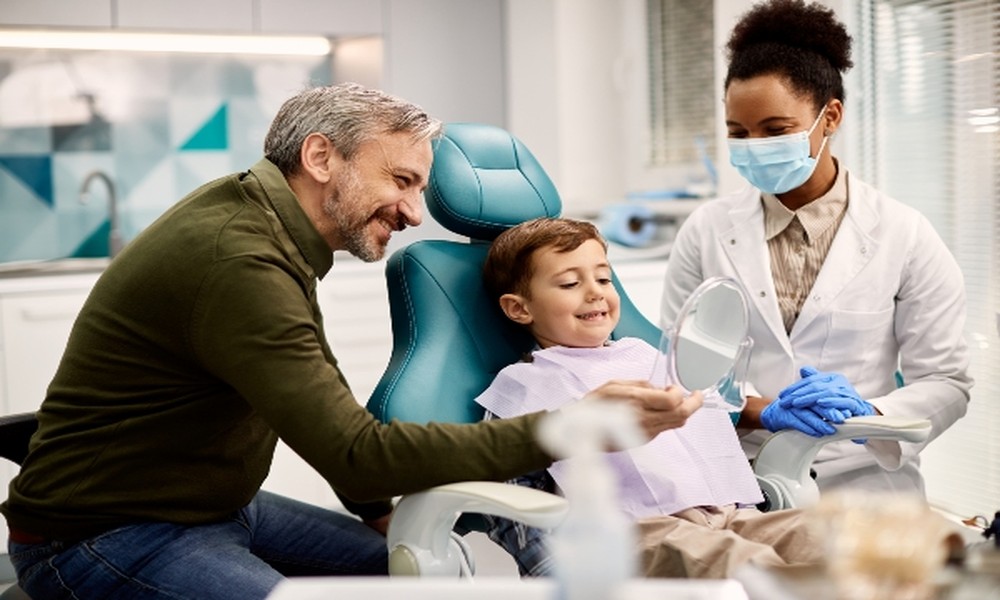
For example, imagine your teenager with early signs of gum inflammation around braces. Instead of a quick warning, a skilled provider might show them a mirror, point out the puffy areas, and then walk them through a brushing and flossing routine that works around wires. They might share a simple handout or online resource that you can both check at home. You leave with a plan, not just a warning.
What are the hidden challenges families face with oral health education?
The problem is not just brushing and flossing. It is everything around them.
There is emotional pressure. Many adults carry old dental fears, and kids can pick up on that. If your own past visits were rushed or painful, walking into a clinic with your child can stir up old anxiety. That can make it harder to ask questions or admit you are confused.
There is financial stress. You may worry about the cost of cavities, orthodontics, or missed work time. Because of that, you might delay visits or avoid X rays, which can make small problems grow quietly in the background.
There is also information overload. One blog tells you to avoid fluoride. Another warns you if you do. Social media pushes whitening hacks that can damage enamel. It can be hard to know what is actually safe and what is just a trend.
So where does that leave you? Often, feeling like you are guessing. You want to protect your family’s teeth, but you are not sure whose advice to trust.
This is exactly why family dental care education inside and outside the office matters. A good practice does not just clean teeth. It helps you sort through the noise and focus on what is proven to work for your age, health, and budget.
For example, federal programs highlight how much prevention matters. The Health Resources and Services Administration shares clear information on why oral health is closely linked to your overall health. They also provide an oral health toolkit with practical guidance that many family dentists quietly rely on behind the scenes. When your dentist echoes this kind of evidence based advice, it becomes easier to ignore the fads and focus on what actually helps.
How does education from your family dentist compare to going it alone?
You might wonder if you really need a dentist for education. There are articles, videos, and social posts everywhere. Could you just learn on your own and only see a dentist when something hurts?
Here is a simple comparison to help you think it through.
| Approach | What It Looks Like | Benefits | Common Risks |
|---|---|---|---|
| DIY oral health education | Searching online, watching videos, trying home remedies or trends | Free information, available anytime, feels quick and convenient | Conflicting advice, unsafe “hacks,” missed early warning signs, treating symptoms instead of causes |
| Education through family dentistry | Regular visits, questions answered in person, personalized tips for your family | Guidance based on your mouth, your medical history, and your habits. Early detection of issues. Consistent advice over time. | Requires scheduling and sometimes out of pocket costs if insurance is limited |
| Blended approach | Using trusted public health resources plus your dentist’s guidance | Reliable information from sources like the CDC’s adult oral health tips combined with in person exams and coaching | Still need to ignore unproven trends and check questions with your dentist |
When you see it laid out this way, you can feel the difference. Self education is useful, but without a trained eye on your teeth and gums, it is easy to miss what really needs attention. A family dentistry service that focuses on teaching gives you a filter. You can bring in what you read or hear, ask if it fits your situation, and leave with a clear, safe plan.
What can you start doing right now to use your dentist as an educator?
You do not have to overhaul your life to get more education from your family dentist. You only need a few focused habits.
1. Show up with questions, not just teeth
Before your visit, take two minutes to jot down what has been on your mind. Maybe your child grinds their teeth at night. Maybe you sip coffee all day and worry about stains. Maybe you are unsure if your mouthwash is helping.
Bring that list with you. Hand it to the hygienist or dentist and say, “These are the things I am wondering about.” This small step changes the tone of the visit. It becomes a conversation, not a lecture.
2. Ask for simple, specific demonstrations
General advice like “brush better” or “floss more” is hard to act on. Ask your family dentist to show you what “better” looks like for you. For example, you can say, “Can you watch me brush for a few seconds and tell me what to adjust?” or “Can you show my child how to floss around that back tooth?”
A two minute demonstration can be more powerful than ten minutes of talking. It gives you something you can picture later when you are standing at the sink at home.
3. Use trusted resources between visits
Education does not stop when you walk out of the office. Ask your dentist which websites or handouts they trust. Many will point you to public health resources that match what they are teaching you in person. This keeps your home care aligned with professional care instead of pulling you in different directions.
You can also create small rituals at home. For example, choose one tip from your dentist to focus on for the next three months. Maybe it is brushing for a full two minutes, or swapping one sugary drink a day for water. Share the goal with your children so they feel part of the process, not just patients being told what to do.
Where does this leave you and your family?
You do not need to become an oral health expert overnight. You only need a partner who treats each visit as a chance to teach, encourage, and adjust the plan as your family grows and changes. When you use family dental care as an ongoing source of education, you move from feeling guilty or unsure to feeling informed and steady.
The real win is not just fewer cavities or smoother cleanings. It is your child growing up seeing dental care as normal, understandable, and within their control. It is you knowing that the small choices you make at the sink, at the dinner table, and in the grocery store are actually protecting your family’s health, not just their smiles.
You deserve that kind of confidence. You deserve a family dentist who talks with you, not at you, and who sees education as part of every appointment, not an extra. Use your next visit to start that kind of relationship, and carry the knowledge you gain far beyond the chair.
