

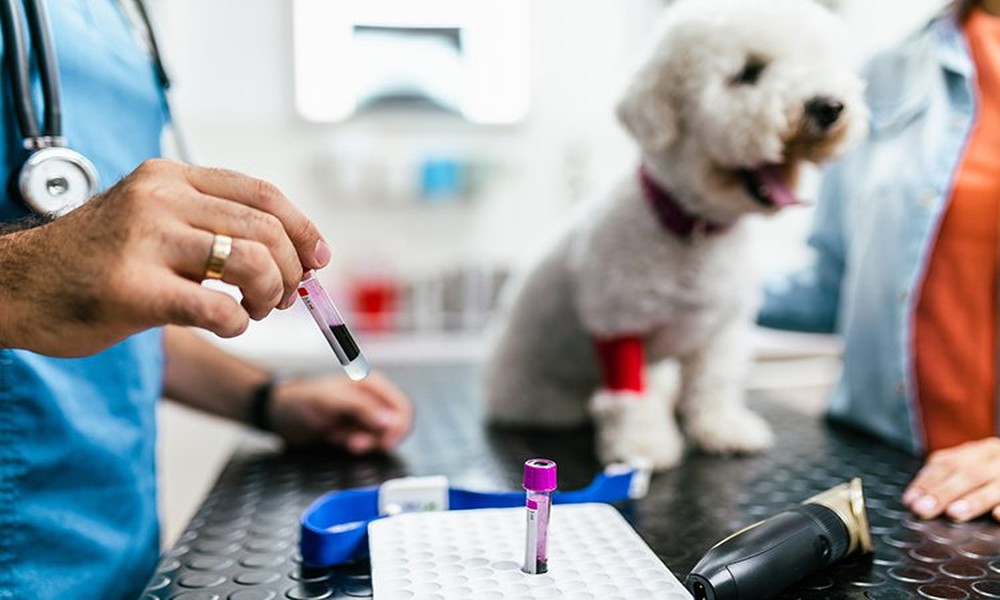
You might be watching your cat or dog nap in their usual sunny spot at Bakersfield animal hospital, eating pretty well, maybe moving a little slower than before, and wondering if everything is truly alright. Or maybe your vet has suggested routine blood tests, and you are staring at the estimate thinking, “They seem fine. Do we really need this right now?” It can feel like one more worry on a growing list.end
That hesitation makes sense. You want to be a good guardian without spending on things that do not matter. At the same time, you know pets are experts at hiding discomfort. Because of that tension, routine bloodwork can feel confusing. Is it reassurance, or is it overkill?
Here is the short version. Regular bloodwork for cats and dogs is like checking the dashboard of a car before the engine light turns on. It finds quiet changes early, guides safer anesthesia and medications, and often saves money and heartache by catching illness before it becomes an emergency. It is not about testing for everything. It is about giving you a clearer picture of what is happening inside the body you cannot see.
Why talk about bloodwork when my pet “seems fine”?
Most pets with early kidney disease, liver changes, diabetes, or thyroid problems look normal at home. They eat. They play. They cuddle. Many owners only notice something is wrong when the disease is already advanced, and treatment choices are fewer and more expensive.
Imagine a 10 year old indoor cat. She is drinking a little more water, but otherwise seems herself. Routine screening bloodwork shows her kidney values are just above normal. That small change gives you a window to adjust diet, monitor more closely, and slow the disease. Without that early check, the first sign might be a crisis visit for severe dehydration and hospitalization.
Or picture a middle aged dog coming in for a dental cleaning. He looks healthy. Pre-anesthetic bloodwork shows mild liver enzyme elevations. Your veterinarian can then adjust the anesthesia plan, choose safer medications, and maybe delay the procedure to investigate the liver. Instead of a surprise complication under anesthesia, you get a safer, more controlled plan.
So where does that leave you? It means routine bloodwork is less about hunting for something to fix and more about protecting the health your pet already has.
What exactly does “routine bloodwork” check for in cats and dogs?
Routine bloodwork usually includes two main parts. A complete blood count, often called a CBC, and a chemistry panel. Sometimes it also includes thyroid testing or urinalysis, especially for seniors.
The CBC looks at red blood cells, white blood cells, and platelets. This can uncover anemia, infections, inflammation, clotting problems, and certain bone marrow disorders. The chemistry panel looks at organ function and metabolism. It checks the kidneys, liver, blood sugar, electrolytes, and proteins. These values can shift before you see outward signs.
Veterinary teams interpret these numbers in context, using reference ranges from trusted sources, such as clinical pathology guidelines from universities. For example, many veterinarians refer to published reference intervals like those provided by the Cornell Animal Health Diagnostic Center to help interpret what is normal for a cat or dog of a certain size or age. The numbers alone do not diagnose your pet. They guide the questions and next steps.
Because your pet’s body changes over time, your veterinarian may suggest building a “baseline” when your animal is young or healthy. That way, if something drifts later, there is a personal comparison, not just a generic normal range.
Is routine bloodwork worth the cost and stress for my pet?
The hard part is that your pet cannot tell you if the needle was worth it or if the cost felt justified. You have to weigh short term discomfort and expense against long term benefits.
Here is one way to think about it. A simple screening panel once a year, sometimes more often for seniors or pets on long term medications, might uncover an issue when it is still manageable with diet, a moderate medication plan, or closer monitoring. Waiting until a problem erupts can mean emergency fees, hospitalization, or advanced care that costs much more and is harder on your pet.
Of course, everyone has a budget. There is no shame in asking your veterinarian which tests are most important right now. You can talk through your pet’s age, breed, and current health, then prioritize. Routine bloodwork is not all or nothing. It is a tool that can be tailored.
Comparing risks, benefits, and timing of routine bloodwork
To make this more concrete, here is a simple comparison that many guardians find helpful when deciding how to use preventive blood testing for dogs and cats.
| Approach | Short Term Experience | Benefits | Risks / Tradeoffs |
|---|---|---|---|
| Regular screening bloodwork (yearly or as advised) | Single needle poke, brief restraint, modest cost at wellness visits | Early detection of kidney, liver, endocrine disease. Safer anesthesia and medication choices. Baseline trends over time. Often lower long term costs. | Some stress for nervous pets. Upfront cost when your pet seems healthy. May find mild changes that need monitoring but not treatment yet. |
| Bloodwork only when your pet is obviously sick | No needle during routine visits. Costs occur during illness or emergency | Fewer tests when your pet appears well. All testing is clearly tied to a problem you can see. | Higher chance disease is advanced when found. More expensive interventions. Fewer treatment options. Greater discomfort for your pet. |
| Targeted bloodwork for medications or surgery | Testing done before anesthesia or when starting certain drugs | Reduces risk of anesthesia. Checks that organs can handle medications. Can still reveal hidden disease. | Does not monitor slow changes over years. Some problems may be missed until a crisis. |
Veterinarians often partner with outside diagnostic laboratories that focus on accuracy and quality control, such as university based clinical pathology labs. These labs support everyday decisions in your Cat And Dog Animal Hospital by running tests, validating results, and providing expert interpretation. If you are curious how that side works, you can look at resources like the Veterinary Diagnostic Laboratory clinical pathology services from the University of Illinois.
Three practical steps you can take right now
1. Ask for a clear, tailored bloodwork plan for your pet
At your next visit, ask your veterinarian what routine bloodwork they recommend for your pet specifically. A young adult indoor cat does not need the same schedule as a senior large breed dog. Request a simple breakdown. What tests, how often, and why. This turns a vague suggestion into a plan you can understand and budget for.
2. Talk openly about cost and priorities
There is no need to feel embarrassed about money. Tell the veterinary team what you can realistically manage. Ask which tests are most important now and which can wait. Sometimes starting with a basic panel, then adding more targeted tests later, still protects your pet while respecting your budget. Many clinics can also bundle routine tests with wellness visits to reduce repeat fees.
3. Prepare your pet to make bloodwork less stressful
If your pet is anxious, mention this when you schedule. You can ask about fear reducing options, such as scheduling a quiet time of day, using treats, or mild calming medications when appropriate. Practice gentle handling at home, like brief paw touches and rewarding calm behavior, so the experience at the clinic feels less strange. A little preparation can make routine bloodwork feel like a quick moment instead of a major ordeal.
Bringing it all together for your pet’s long term health
When you care deeply about your cat or dog, every decision carries weight. You do not want to overdo testing, yet you also do not want to miss something important. Thoughtful routine blood tests for pets bridge that gap. They give you and your veterinarian data, context, and time. Time to act early. Time to choose safer treatments. Time to keep your companion comfortable for as long as possible.
You do not have to figure this out alone. At your next visit to your Cat And Dog Animal Hospital, bring your questions about routine bloodwork. Ask for plain language explanations, cost ranges, and options. You deserve to understand what is being recommended, and your pet deserves the quiet protection that good preventive care can offer.
