

Vehicles face daily exposure to various weather elements like dust, debris, and even the sun. At the outset, it might appear that protecting the glassware of the vehicle should be of primary importance, be it through auto glass services or otherwise. But what is equally crucial is to ensure the protection of the overall surface of the vehicle, which is best done through modern solutions such as Paint Protection Films (PPF).
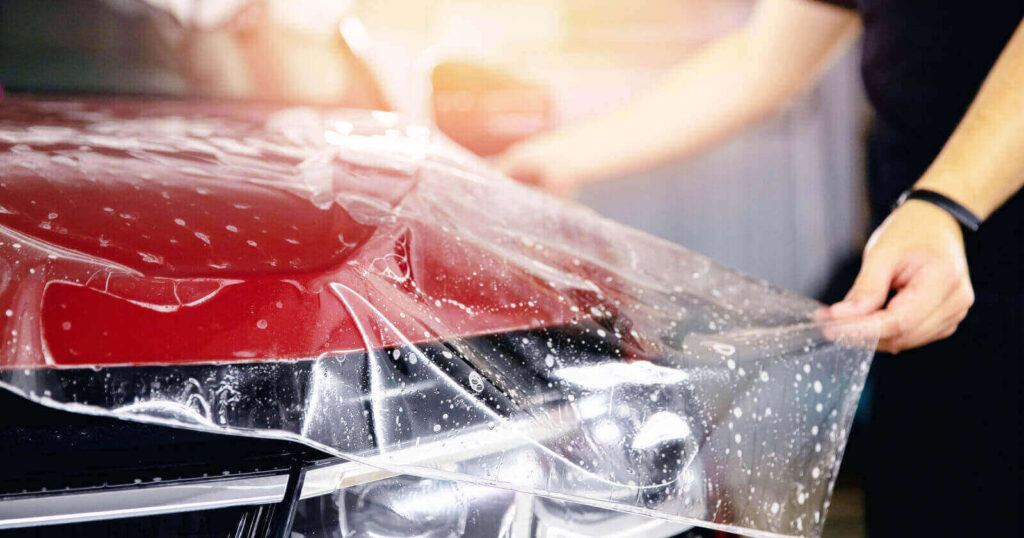
Paint protection film is a thin, flexible, transparent layer of polyurethane that is directly applied over the painted surfaces of a car to protect it from outside harm. Although PPF was first developed for more high-impact vehicles and technology, such as military vehicles, it has gradually gained traction in the broader consumer market and is frequently the preferred protective option for cars in general. Individuals seeking to learn more can go here.
Step-by-Step Paint Protection Film Installation Process
Application of PPF is a relatively straightforward procedure. First, the car is thoroughly washed and cleaned to rid the surface of any external impurities. This ensures that the surface is free of any dirt, grease, or contaminants, which thereby provides an ideal surface to work with. If required, minor paint correction is also undertaken at this stage.
The second step would be the cutting and customization of the films. It needs to be mentioned that since the needs of every vehicle would be different, there is no uniform method followed. However, since the films would be of unique sizes, the films would either be cut using specific software or would be manually cut to ensure the nuances are taken care of. This step would ensure that the PPF would be designed in a manner that it would fit the specific panels of the cars.
The third step would be the actual implementation of the PPF on the surface of the vehicle. In this step, a specific solution would be sprayed on the surface of the vehicle. Subsequently, the films would be placed on the surface of the vehicle. The bubbles would be removed using specific tools, which would ensure a transparent look with a smooth and seamless feel.
The final and most critical step would then be implemented, which would involve the heating and curing of the PPF. In this step, the edges of the PPF would be sealed using a heat gun, and the PPF would settle and start bonding with the paint.
Types of PPF and Coverage Options Explained
There are three major types of PPF, which are used on a wide scale. They are gloss PPF, which provides a shiny finish but does not alter the original appearance of the vehicle; the matte finish, which provides a satin-matte finish; and lastly, the self-healing, which has the capacity to heal small scratches by applying heat. Based on the specific needs of the individual and the vehicle, the best option of PPF can be selected.
In this regard, it is also important to point out the fact that car owners have the option of full PPF, which covers the entire surface of the vehicle, and partial PPF, which covers only the areas of the vehicle that are subject to impact, including the bumpers, hood, and mirrors. While full PPF provides a protective coating for the entire vehicle, giving a consistent finish, partial PPF is the classic option for car owners who wish to save on costs. Depending on the budget and driving conditions, along with the type of vehicle, the ideal type and coverage can be chosen.
Maintenance Tips and Lifespan of Paint Protection Film
To ensure longevity of the PPF, it is suggested to wash it regularly using mild soap while avoiding harsh chemicals. Aggressive scrubbing must be avoided, and mild scrubbing may be done using microfiber washcloths. It is best to avoid strong pressure directly on the film, which may especially arise during automatic car washes. With these basic care instructions, the life span of the PPF may range between five and ten years.
However, some signs may indicate a need for replacement of the PPF. In case of yellowing, peeling edges, or visible wear, it is advisable to get the PPF replaced. Replacement is a rather easy and non-invasive procedure with no damage befalling the vehicle.
Conclusion
PPFs are modern technologies that are crucial in protecting and maintaining the vehicle. To ensure maximum output and value return, it is crucial to ensure professional application. PPFs provide many benefits and cater to various forms of vehicles while also providing budget options. Individuals interested to learn more can do so here. It is best to install a full-coverage PPF to protect the vehicle holistically.
