

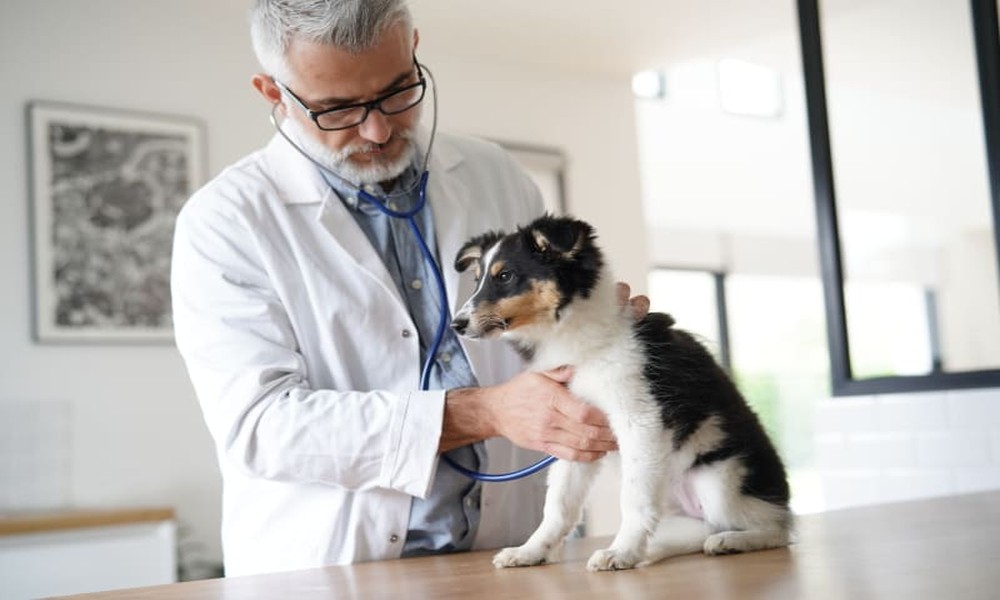
You might be looking at your pet right now and thinking, “You seem fine. Do you really need another vet visit already?” You remember the last bill, the anxious car ride, the worried pacing in the waiting room at a veterinary hospital in Ogden. It is easy to hope that if your pet is eating, playing, and sleeping, everything must be okay.end
Then a thought creeps in. What if there is something you cannot see yet? A heart issue, early kidney trouble, dental pain, or the first signs of arthritis. Because by the time pets “look” sick, things are often more serious and more expensive. That tension between wanting to protect your pet and wanting to avoid stress and cost is very real.
Regular checkups at an animal hospital are not about finding problems to fix. They are about catching tiny changes early, preventing many problems entirely, and giving your pet the best chance at a long, comfortable life. In simple terms, routine care now usually means fewer emergencies later, and more good years together.
So, where does that leave you when you are trying to decide if that yearly, or even twice-yearly, visit is really worth it?.
Why do pets “seem fine” right up until they are not?
The hardest part about caring for animals is that they cannot say, “My tooth hurts,” or “I feel tired all the time.” Many pets hide pain and discomfort. This is especially true for cats and many small animals. By the time they show obvious signs like limping, not eating, or hiding, the issue may already be advanced.
Imagine a middle-aged dog who still chases the ball but is a little slower on the stairs. It is easy to blame age. At a routine exam, a veterinarian might notice early joint changes, mild weight gain, or muscle loss and suggest small changes in diet, exercise, or medication. That same dog, without regular care, might show up a year later barely able to stand, needing expensive imaging and ongoing pain control.
The same pattern happens with cats and other pets. A cat can have significant dental disease and still eat. A rabbit can be losing weight very slowly and still act social. A bird can hide illness until it is very sick. Regular exams give the animal hospital team a chance to compare year to year, spot trends, and act before your pet reaches a crisis point.
This is why organizations like the American Veterinary Medical Association emphasize routine wellness care as part of general pet care. It is not extra. It is the foundation.
What problems do regular animal hospital visits actually prevent?
You might wonder if these visits are really doing anything concrete, or if they are just “check the box” appointments. In reality, a well-run pet wellness exam at an animal hospital touches almost every part of your pet’s long-term health.
Here are some of the biggest areas where routine checkups quietly protect your pet.
1. Silent internal diseases
Conditions like kidney disease, liver disease, diabetes, heart disease, and thyroid issues often start with tiny changes in blood work or heart sounds. Your pet might still be playful and hungry. Catching these early usually means simpler treatment, lower cost, and a much better outlook.
2. Painful dental disease
Teeth problems are extremely common, especially in small dogs and older cats. Bad breath, drooling, or reluctance to chew can show up late. A veterinarian can spot plaque, gum disease, and broken teeth long before your pet stops eating. Addressing dental issues early reduces pain and the risk of infection spreading to the heart, liver, or kidneys.
3. Weight and joint health
Extra weight creeps on slowly. A few pounds may not look like much, but on a small pet, it can be like a person carrying a heavy backpack all day. Regular weight checks and body condition scoring help catch trends before they lead to arthritis, diabetes, or breathing trouble. Simple diet and exercise tweaks guided by your veterinarian can add years of comfort.
4. Parasites and infectious disease
Fleas, ticks, intestinal worms, heartworm, and some bacterial or viral infections are easier to prevent than to treat. During wellness visits, your veterinarian reviews your pet’s lifestyle and suggests the right parasite prevention and vaccines. This protects not only your pet but, in many cases, your family as well. The CDC explains how staying current on preventive care reduces health risks from pets to people in their guidance on keeping pets and people healthy together.
5. Behavior and quality of life
Changes in behavior are often early signs of medical issues or stress. A dog that is suddenly clingy, a cat that starts avoiding the litter box, or a parrot that plucks feathers may be telling you something is wrong. Regular visits give you a safe space to talk through these changes and adjust your pet’s care, environment, or training.
These are not small things. They are the difference between reacting to emergencies and quietly steering your pet’s health over time.
Is skipping checkups really cheaper or safer for your pet?
The common worry is understandable. “If my pet looks fine, maybe I can save money by waiting.” The risk is that waiting often shifts the cost from smaller, predictable care to sudden, large bills and more suffering for your pet.
The table below compares what happens with consistent animal hospital care versus waiting until problems become obvious. These are general patterns, not guarantees, but they reflect what many pet families experience.
| Approach | Short Term Experience | Long Term Health Impact | Typical Financial Impact |
|---|---|---|---|
| Regular wellness checkups | Occasional vet visits, routine tests, preventive medications | More issues caught early, fewer crises, better comfort in senior years | Smaller, more predictable costs spread over time |
| “Only when sick” visits | Fewer trips at first, less time at the clinic | Higher chance of late-stage disease, more pain, shorter lifespan | Higher risk of sudden large bills for emergencies or advanced treatments |
| No vet unless emergency | No routine guidance, no early tracking of changes | Serious conditions are often found very late, with limited treatment options | Possible one-time very high emergency cost, sometimes with poor outcome |
When you look at it this way, regular animal hospital visits are less about “extra” care and more about trading unpredictable crises for steadier, kinder support.
There is also an emotional cost to waiting. Watching a pet struggle with something that might have been softened or prevented can be very hard. Many pet owners say their biggest regret is not acting sooner, not that they went in “too early.”
Three practical steps to protect your pet’s long-term health
You do not need to overhaul everything at once. A few focused actions can make a real difference.
1. Set a simple wellness schedule and stick to it
Most healthy adult pets need at least one wellness exam per year. Many veterinarians recommend every 6 months for seniors or pets with known conditions. Pick a schedule with your clinic and put it on your calendar just like your own medical or dental appointments.
If cost is a concern, ask the clinic about wellness plans, spreading payments, or prioritizing which tests matter most for your pet’s age and species. Being open about your budget helps the team design realistic care instead of all-or-nothing choices.
2. Use each visit to track patterns, not just fix problems
Bring questions and observations. Has your pet’s thirst changed? Are they more restless at night? Has their weight, appetite, or energy shifted even a little?
Ask your veterinarian to compare this year’s findings with last year’s. Things like heart murmurs, weight, blood work values, and dental scores are powerful when viewed over time. That is how small, slow changes get noticed before they turn into big issues.
3. Align your home care with expert guidelines
Between visits, your daily choices matter. Diet, exercise, mental stimulation, and safe handling all influence how long and how comfortably your pet lives. Trusted organizations publish clear, practical standards, such as the AVMA’s animal welfare principles, which focus on meeting animals’ physical and emotional needs.
Use your vet visits to check that your home routine lines up with these ideas. Are you feeding an appropriate diet for the age and species? Is your pet getting enough movement and play? Do they have a safe, calm place to rest? Matching everyday care with expert guidance is one of the strongest long-term protections you can give.
Moving forward with confidence about regular pet checkups
You care about your pet. That is why you are even thinking about this. The worry about cost, stress, and time is real, yet so is the quiet risk of waiting until something is obviously wrong.
Regular checkups at an animal hospital are not just appointments on a calendar. They are ongoing conversations about your pet’s comfort, safety, and future years with you. When you choose consistent routine veterinary care, you are choosing early answers instead of late surprises, and you are giving your pet a better chance at a long, good life by your side.
Your next step can be simple. Call your trusted clinic, schedule a wellness visit, bring your questions, and use that time to build a long-term plan that fits your pet and your life. You do not have to figure it all out alone. You just have to take the next caring step.

Jack Sylvester is a freelance writer, He is extremely fond of anything that is related to ghostwriting, copywriting, and blogging services. He works closely with B2B businesses providing digital marketing content that gains social media attention. His aim to reach his goals one step at a time and He believes in doing everything with a smile.
