

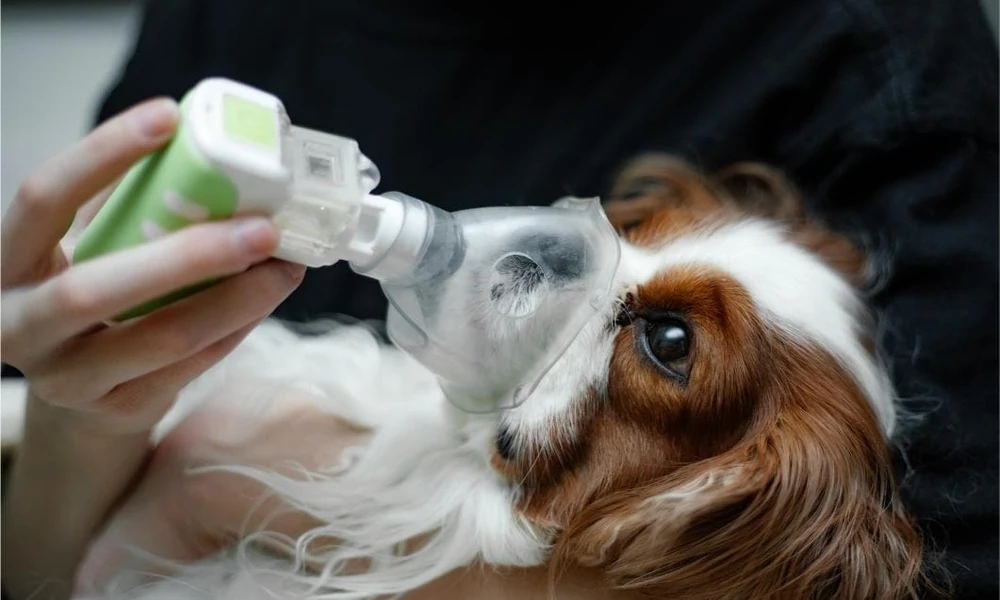
You might be watching your pet right now, counting each breath, wondering if that soft wheeze or fast pant is something small or something life changing. It often starts quietly. A little cough, a bit of effort when they lie down, maybe they seem more tired on walks. Then one night you notice their sides working harder, or they stretch their neck to breathe, and suddenly you are wide awake and scared, searching for an exotic pet veterinarian in Augusta, ME.
If you are here, you are probably worried and trying to decide how serious this is, how fast you need to move, and what an urgent care visit will actually look like. You are not overreacting. Breathing problems in pets are frightening, and the line between “watch at home” and “go now” can feel blurry.
The short version is this. When a pet comes to Animal Urgent Care for breathing trouble, the team focuses on getting oxygen in, calming the body, and finding the cause as safely as possible. They use fast triage, oxygen support, gentle handling, and targeted tests to protect your pet’s lungs, heart, and airway. Your job is to recognize red flag signs early and get them in quickly, not to figure everything out alone at home.
When your pet is struggling to breathe, what is actually happening?
One of the hardest parts is that you can see your pet working to breathe, but you cannot see what is going wrong inside. That gap creates a lot of anxiety. Is it the heart, the lungs, an allergy, a throat problem, or something stuck?
Veterinarians group breathing emergencies into a few broad buckets. These include upper airway problems such as a collapsing trachea, laryngeal paralysis, or something lodged in the throat. Lower airway or lung issues such as pneumonia, asthma in cats, or fluid in the lungs from heart disease. And problems around the lungs such as a chest injury, air or fluid around the lungs, or severe pain that makes normal breathing difficult. You can read more about classic warning signs in this summary of clinical signs of respiratory disease in animals.
Because these problems are inside the chest or throat, you cannot “see” the cause from the outside. What you can see are the body’s signals that it is in distress. Fast breathing at rest, working hard with each breath, flared nostrils, blue or gray gums, standing with elbows out, or open mouth breathing in cats are all warning signs. In dogs, you might notice noisy breathing or that they cannot settle to sleep. In cats, even subtle open mouth breathing is an emergency.
So where does that leave you, especially in the middle of the night or on a weekend when your primary vet is closed?
Why breathing problems feel so urgent and why waiting can be risky
When a pet cannot breathe well, every minute feels long. There is fear about losing them, stress about money, and guilt about “bothering” a clinic if it turns out to be mild. Because of that tension, many people wait and hope it will pass on its own. Sometimes it does. Sometimes it does not.
There are emotional challenges. You may be trying to stay calm for your family while your pet looks to you for comfort. You might be replaying the last few days in your head, wondering if you missed earlier signs. You might also be carrying grief from a past pet and are terrified of going through it again.
There are financial worries. Urgent care and emergency care cost more than a routine vet visit. Oxygen, X rays, blood work, and possible hospitalization can add up. It is common to wonder if it is “worth” going in if the problem might be something simple like a cough or kennel cough. Yet when breathing is affected, the risk of waiting can be serious. The body cannot function without enough oxygen. Heart strain, brain injury, and sudden collapse become real possibilities.
This is where urgent pet respiratory care comes in. Animal Urgent Care teams are trained to stabilize first and sort out the details second. Their focus is to reduce the work of breathing, support oxygen levels, and prevent crisis while they investigate the cause. That way, you are not gambling on your own at home.
What happens at Animal Urgent Care when you arrive with a pet in respiratory distress?
Understanding what will happen can ease some of the fear. The first step is triage. Pets with breathing problems are usually taken straight to the treatment area so the team can check gum color, breathing rate, and effort within moments. This is not them ignoring you. It is them prioritizing the oxygen your pet needs right now.
Common first steps in emergency treatment for breathing problems in pets include:
• Placing the pet in an oxygen cage or using a mask to increase oxygen levels.
• Gentle handling and sometimes a mild sedative to reduce anxiety, since panic increases oxygen demand.
• Quick chest listening to check for crackles, wheezes, or muffled sounds.
• Checking heart rate, temperature, and blood pressure.
Once your pet is a little more stable, the team will talk with you about history and possible tests. These might include chest X rays, basic blood work, and sometimes ultrasound of the chest or heart. The approach often follows principles used for small animal emergencies, like the ones outlined in this overview of initial triage and resuscitation of small animal emergency patients.
Treatment will depend on the cause. Heart disease might be managed with diuretics and heart medications. Pneumonia might require antibiotics and oxygen. Upper airway problems might need anti inflammatory drugs or even surgery. In all cases, the team will watch your pet’s breathing rate, comfort, and gum color closely while adjusting care.
Should you try home care or go straight to urgent care? A simple comparison
It can help to look at home monitoring versus Animal Urgent Care support side by side, especially when you are torn about what to do.
| Situation | Home Monitoring | Animal Urgent Care |
|---|---|---|
| Mild cough, normal breathing at rest | Watch at rest, count breaths, schedule regular vet visit if it continues | Optional if you are unsure or if your pet has heart or lung disease already |
| Fast breathing at rest (over ~30 breaths per minute while sleeping) | Short term counting and observation only if your pet otherwise seems calm and normal | Strongly advised, since this can be an early sign of distress or heart/lung trouble |
| Visible effort, belly and chest heaving, or noisy breathing | Do not attempt DIY treatments or forced exercise, keep pet calm and cool | Go promptly. Oxygen and professional assessment are needed |
| Open mouth breathing in cats, blue/pale gums in any pet, collapse | No safe home option. Do not wait to see if it passes | Immediate emergency. Transport as calmly and quickly as possible |
| Known heart or lung disease and any change in breathing | Call your vet if available, but do not increase meds without guidance | Urgent check to adjust medication and rule out fluid build up or infection |
For more specific early warning signs in dogs, you can review this guide on recognizing and responding to canine respiratory distress.
Three actions you can take right now to protect your pet
1. Learn your pet’s normal resting breathing rate
When your pet is healthy and asleep, count how many times the chest rises in 60 seconds. Most dogs and cats breathe about 15 to 30 times per minute at rest. Write this number down. If you ever notice that number consistently higher than 30, especially if it keeps climbing, treat that as a warning and contact Animal Urgent Care or your regular vet.
2. Create a calm, safe “breathing emergency” plan
Decide in advance how you would transport your pet if they were breathing hard. Keep a carrier or harness ready. Note the address and driving route to your nearest urgent care clinic so you are not searching on your phone while panicked. Talk with family members about signs that mean “we go in now” versus “we call and watch.” This reduces confusion in the moment.
3. In a crisis, focus on calm transport, not home fixes
If your pet is in clear distress, do not try steam showers, over the counter human medicines, or force feeding water. Keep the room cool and quiet. Avoid pressing on the chest or throat. Gently move them to the car with as little struggle as possible. Call the clinic on your way if you can, but do not delay leaving just to make the call. Urgent animal respiratory care is most effective when oxygen and professional support start early.
Moving forward with more confidence and less fear
Watching a pet struggle to breathe is one of the most helpless feelings there is. You may not be able to control the cause, but you can control how quickly you act and how prepared you are. You now know what red flags to look for, what Animal Urgent Care will do first, and when home monitoring is reasonable versus when urgent care is the safer choice.
The next time you find yourself listening to your pet’s breathing in the dark, remember that you do not have to carry the decision alone. Reach out, ask questions, and use urgent animal emergency care when your instincts say something is wrong. Your concern is not an overreaction. It is exactly what your pet needs from you.
