

You might be watching your pet sleep a little more than usual, eating a little less, or just seeming “off,” and your mind keeps circling back to the same worry. Is something wrong that you cannot see. You want to catch problems early, but you also do not want to put your pet through anything unnecessary, or face surprise costs you were not ready for, which is why many owners explore pet health plans in Maple Valley WA.
This is where blood work and lab testing start to matter. They are not just extra boxes on an invoice. They are quiet early warning systems that often pick up trouble long before it shows on the outside. When used well, they protect your pet’s health, help you avoid crises, and give your veterinarian a clear map instead of guessing in the dark.
So here is the simple truth. Routine blood tests and lab screening for pets are some of the most effective tools for early detection, safer anesthesia, and smarter long term care. They can feel confusing at first, yet once you understand what they look for and how they guide decisions, the whole process becomes less scary and a lot more empowering.
Why does my pet need blood work if they “seem fine”?
It often starts with something small. Maybe your dog leaves half their breakfast in the bowl two days in a row, or your cat suddenly stops jumping onto their favorite chair. You notice it, but you talk yourself out of worrying. Then your veterinarian recommends blood work, and you wonder if you are being upsold or if there is a real reason behind it.
The hard part is that many serious conditions in pets begin silently. Early kidney disease, liver problems, thyroid changes, diabetes, and some infections can brew in the background for months while your pet still plays, eats, and cuddles like normal. By the time the signs are obvious, treatment can be harder, more expensive, and less effective.
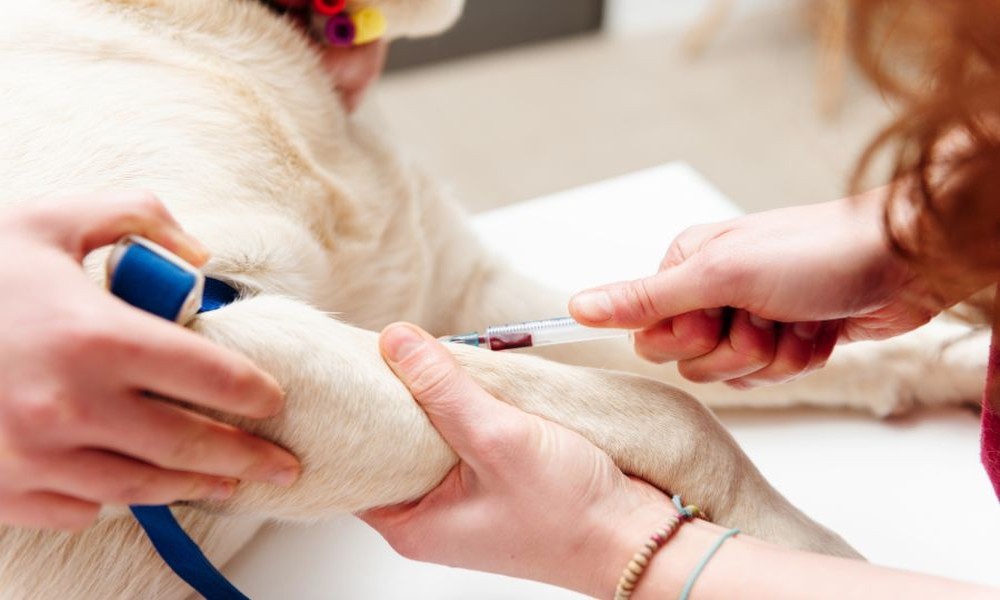
That quiet stage is exactly where veterinary lab tests do their best work. A simple blood panel can show how organs are functioning, whether there is inflammation or infection, if your pet is anemic, or if their immune system is under strain. Urine tests can reveal kidney stress and urinary issues long before an emergency visit. Together, these tests give a picture of your pet’s internal health that no physical exam alone can match.
Because of this tension between “my pet seems okay” and “what if I miss something important,” you might feel stuck. You do not want to overreact, but you also do not want regret later. That is a very human place to be, and it is exactly why thoughtful, targeted testing matters.
What do these tests actually look for, and how do they protect my pet?
It helps to know what your veterinarian is actually checking. Blood work is not one single test. It is usually a group of related measurements that answer different questions.
Common components include:
1. Complete Blood Count (CBC)
This measures red blood cells, white blood cells, and platelets. It can uncover anemia, infection, inflammation, clotting issues, and some cancers. For example, a dog with normal energy but a very low red blood cell count might be losing blood internally or have a bone marrow problem that needs urgent care.
2. Chemistry panel
This looks at kidney values, liver enzymes, blood sugar, proteins, and electrolytes. It helps your veterinarian see how major organs are functioning. A cat with slightly increased kidney values on routine testing can often be supported with diet and fluids early, which may slow the disease and prevent a crisis later.
3. Thyroid and hormone tests
These can explain weight gain, weight loss, hair coat changes, or behavior shifts. For instance, an older dog who becomes sluggish and gains weight could have low thyroid function. That is treatable, but impossible to confirm without a lab test.
4. Urinalysis and other samples
A urine test can detect kidney problems, bladder infections, crystals, and diabetes. Fecal tests can identify parasites. Depending on your pet’s age and breed, your veterinarian may also recommend screening for certain genetic conditions. If you are curious about more advanced options, you can read how researchers describe the benefits of canine DNA testing for inherited risks.
So where does that leave you when you are facing a decision at the front desk or in the exam room. It usually comes down to three things. Your pet’s age, their current symptoms, and their long term risk. Senior pets, pets on long term medications, and breeds prone to specific diseases often benefit most from regular lab work. Younger, healthy animals may only need it before anesthesia or as a baseline every so often.
If you want a deeper, medically focused breakdown of what specific values mean, Washington State University offers a helpful guide to understanding your pet’s lab tests that you can bookmark and bring to your next visit.
Are the costs and stress of testing worth it for my pet?
It is completely reasonable to worry about both money and your pet’s comfort. Blood draws and lab panels are not free, and no one likes watching their pet get poked with a needle, even for a moment.
Here is the tension. Skipping testing can sometimes save you a bill today, yet set you up for a much larger emergency bill later. An undetected kidney problem, for example, might be manageable with diet and monitoring if caught early. If discovered only when your pet stops eating and needs hospitalization, the emotional and financial cost can be far higher.
At the same time, not every pet needs every test at every visit. A thoughtful general veterinarian will usually prioritize. They might suggest a basic panel for a healthy adult pet every year or two. For a senior pet or one with chronic disease, they might recommend more frequent checks. You always have the right to ask which tests are most important right now, which are optional, and what decisions the results will help make.
Comparing risks, benefits, and timing of pet lab testing
To make this more concrete, it can help to see how different choices play out over time. Here is a simple comparison that many pet owners face.
| Approach | What it looks like in real life | Short term impact | Long term impact on health and costs |
|---|---|---|---|
| Minimal testing only in emergencies | Declines routine blood work. Only agrees when pet is already very sick or before major surgery. | Lower costs at healthy visits. Less time at the clinic. Less immediate stress for owner and pet. | Higher risk of missing early disease. Greater chance of sudden crises, hospital stays, and larger unexpected bills. |
| Targeted testing based on age and risk | Approves baseline panels every few years for adults. More frequent tests for seniors or pets on medications. | Moderate, predictable costs. Short blood draw visits. Occasional mild stress for the pet. | Better chance to catch problems early. Treatment can be started sooner. Often avoids some emergencies and spreads costs out over time. |
| Very frequent broad testing | Requests extensive panels at every visit, even for young, healthy pets, regardless of symptoms. | Higher ongoing costs. More time at the clinic. More frequent needle sticks. | Sometimes finds issues very early, but may also uncover small changes that do not matter, causing worry and extra follow up. Not always necessary for every pet. |
Most families land in the middle option. They work with their veterinarian to build a schedule of pet health lab screening that fits their pet’s age, risk, and their own budget. That kind of partnership usually offers the best balance between peace of mind and practicality.
What can I do right now to use blood work and lab testing wisely?
1. Ask for a clear testing plan by age and life stage
At your next visit, ask your veterinarian what routine blood work they recommend for your pet over the next few years and why. A 2 year old indoor cat and a 10 year old large breed dog do not need the same schedule. Having a plan written down can help you budget, reduce surprises, and feel more grounded when you are asked to approve tests.
2. Request simple explanations of any abnormal results
If lab values come back out of range, ask what that means in plain language. Which organs are involved. How far from normal is it. What is the most likely cause, and what are the next steps. You can even bring printed information, such as the WSU guide, and ask your veterinarian to walk through the areas that apply to your pet. The goal is not to memorize every number. It is to understand how those numbers change the care plan.
3. Use testing to guide anesthesia, medications, and big decisions
Before dental cleanings, lump removals, or other procedures, ask how pre anesthetic blood work will make things safer. Many anesthetic drugs are processed by the liver and kidneys. Knowing how those organs are functioning helps your veterinarian choose the safest approach. The same is true for long term medications like pain relievers or seizure drugs. Regular lab checks can warn you early if those medicines are putting strain on the body, so doses can be adjusted before damage occurs.
Moving forward with more confidence and less fear
You care deeply about your pet, and that care shows every time you notice a small change, worry about a new symptom, or hesitate over a test because you want to make the right choice. That concern is not a weakness. It is a strength that can guide smart, steady decisions.
When you understand how how blood work and lab testing protect pet health, the picture shifts. Lab tests stop feeling like mysterious add ons. They become tools you can use together with your veterinarian to protect the animal who trusts you, to catch problems before they become crises, and to guide safe treatment when something is wrong.
You do not have to memorize every acronym or value. You only need to stay curious, ask questions, and work with a general veterinarian who explains why each test matters. Step by step, that is how you turn confusion into clarity and worry into action that truly supports your pet’s life and comfort.
