

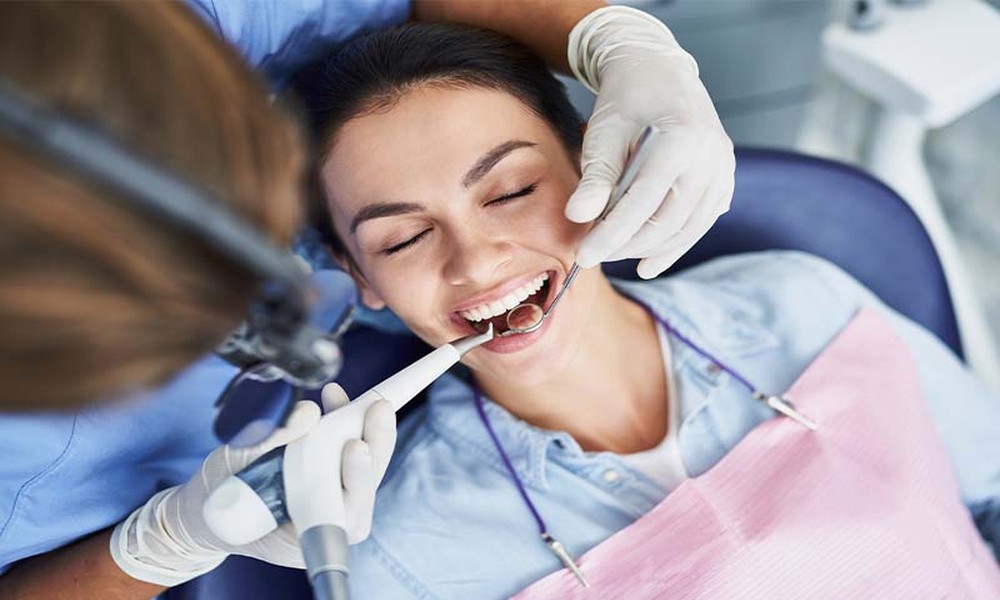
You might be feeling torn every time you look in the mirror. On one hand, you want a brighter, more confident smile, and you may have even started researching cosmetic dentistry in Chicago. On the other, you worry about cavities, gum problems, and the long list of dental issues you have heard about from friends or family. It can feel like you have to choose between a healthy mouth and a beautiful one.end
Because of this tension, you might put things off. You skip cleanings, you delay that whitening or veneer consult, and you tell yourself you will “deal with it later” when life is less busy. In the meantime, your smile still bothers you in photos, and you are not entirely sure how healthy your teeth really are.
Here is the simple truth. When cosmetic care and preventive care work together, you do not have to choose. A family and cosmetic dentist can help you protect your oral health while also improving how your smile looks. The result is usually fewer surprises, lower long term costs, and a smile you are not afraid to show.
In other words, coordinating cosmetic and preventive dentistry is about feeling good now and protecting yourself for the future. You get a plan that supports both your confidence and your health, not one at the expense of the other.
Why does a beautiful smile still not feel “safe” to you?
Maybe you have seen people with gorgeous veneers who still ended up with root canals. Or you know someone who spent a lot on cosmetic work, only to have it chip or stain because underlying problems were never addressed.
That is where the frustration often starts. You want your smile to look better, but you are afraid of paying for cosmetic work that will not last. You may also feel guilty about past habits. Maybe flossing has not been consistent. Maybe you grind your teeth at night. Maybe you skipped cleanings during stressful seasons of life. None of this makes you a bad patient. It just makes you human.
Because of all this, you might wonder. Should you focus on “fixing the look” first, or should you deal with the health side before you even think about whitening or veneers?
Here is where coordination matters. A combined cosmetic and preventive dental plan looks at your mouth as a whole system. Your dentist checks your gums, your bite, your enamel strength, your habits at home, and your goals for your smile. Then everything is sequenced in a way that protects the work you invest in.
For example, if you whiten your teeth before treating gum inflammation, you may end up with sensitivity and uneven results. If you place veneers on teeth that are grinding every night, you may see chips and cracks far sooner than you expected. When cosmetic care is timed with preventive care, these “what if” problems are often avoided.
What are the real benefits of coordinating cosmetic and preventive dentistry?
Think of coordination as having one roadmap instead of several disconnected directions scribbled on scraps of paper. Here are four key benefits you can expect.
1. Healthier teeth make cosmetic work last longer
Cosmetic treatments sit on top of your existing teeth and gums. If the foundation is weak, the cosmetic work is too. When your dentist focuses on preventive dentistry first, small problems are caught early. Cavities are treated before they spread. Gum disease is managed before it causes bone loss. Your bite is adjusted before it puts too much pressure on certain teeth.
With that foundation in place, whitening, bonding, veneers, or crowns are more likely to last. You are not just making your teeth look better. You are strengthening what is under the surface so your investment in your smile is protected.
2. You can often save money by planning both together
It may sound surprising, but coordinating cosmetic and preventive care can reduce your long term costs. When issues are caught early during routine exams and cleanings, they are usually less expensive to fix. For example, a small filling is usually far less costly than a crown or root canal that might be needed if decay is ignored.
If you already know you want cosmetic improvements, your dentist can sometimes combine steps. For instance, instead of placing a standard filling and then later replacing it with a cosmetic crown, the dentist might go straight to a final solution that supports both function and appearance. This kind of planning can cut down on repeat work and extra visits.
3. Your smile plan matches your real life, not an ideal schedule
Life is busy. You may have work demands, children, aging parents, or all three. Coordinated care respects that reality. A family and cosmetic dentist can prioritize what truly needs to happen now and what can safely wait.
Maybe the first phase is cleaning up gum health and stabilizing any urgent issues. The second phase might be whitening or fixing chipped front teeth before a big life event. The final phase could include longer term cosmetic changes once your preventive habits are in place.
This type of plan helps you feel less overwhelmed. You know what is happening now, what is next, and why. You are not bouncing between emergencies and cosmetic “patches.” You have a calm, step by step path.
4. You feel more confident about your health and your appearance
There is also an emotional benefit that is easy to overlook. When your preventive visits are up to date and your cosmetic concerns are being addressed, you stop worrying every time you sit in the dental chair. You know that your home care, professional cleanings, and cosmetic work are all pulling in the same direction.
Your smile stops being a source of stress. It becomes something you trust. You can laugh, speak, and take photos without that nagging thought of “What if something is wrong under there?”
How does preventive care at home fit into a cosmetic plan?
Daily habits are the quiet force behind every successful cosmetic result. Without consistent brushing, flossing, and healthy choices, even the best dental work can fail early.
The American Dental Association offers clear guidance on effective home dental care routines. When you follow these basics and pair them with regular professional cleanings, you reduce the risk of staining, decay, and gum disease that can shorten the life of whitening, bonding, and restorations.
There is also growing research about the connection between oral health and the rest of your body. For example, gum disease has been linked with heart conditions and diabetes. You can learn more about this mouth body connection from the ADA’s information on oral and systemic health. When you see your smile as part of your overall health, cosmetic improvements start to feel less like “vanity” and more like one piece of caring for yourself.
Cosmetic-only care vs coordinated care: what is the difference?
To make this more concrete, here is a simple comparison of getting cosmetic work by itself versus choosing an integrated cosmetic and preventive dental approach.
| Approach | Short term experience | Long term impact | Typical risks |
|---|---|---|---|
| Cosmetic-only focus | Faster visible change. Whitening or veneers done without much prep work. | Results may fade or fail sooner if hidden problems exist. | Higher chance of sensitivity, chipping, or needing to redo work. |
| Coordinated cosmetic and preventive care | Planned in phases. Health issues addressed before or alongside cosmetic steps. | Cosmetic results usually last longer with fewer surprises. | Lower risk of emergencies. Fewer repeat procedures over time. |
What can you do right now to move toward a healthier, more confident smile?
1. Schedule a “big picture” exam, not just a quick fix
When you book your next visit, explain that you are interested in both improving the look of your smile and protecting your long term oral health. Ask for a full exam that includes your gums, bite, enamel wear, and any existing restorations. Share what bothers you most about your smile, whether it is color, shape, crowding, or something else.
This kind of open conversation allows your dentist to design a plan that respects your health, your budget, and your timeline.
2. Commit to one small home care upgrade
Change does not have to be dramatic to be effective. Choose one simple upgrade you can keep up with every day. For example, you might decide to floss every night, use a fluoride toothpaste, or switch to an electric toothbrush and actually use the timer.
That one change, done consistently, can improve your gum health and reduce staining. It also supports any future cosmetic work by keeping the surrounding teeth and gums clean and strong.
3. Ask how future cosmetic goals can be built into today’s treatment
If you already know you want whitening, straighter teeth, or veneers at some point, say so now. Your dentist may be able to choose materials and techniques today that will line up with those goals. For example, they might place tooth colored fillings in a way that will blend better with future whitening, or they may suggest minor alignment first to avoid removing extra enamel later.
When your dentist understands your long term goals, today’s preventive care becomes the first step of your cosmetic plan, not a separate track.
Moving forward with a smile plan that actually fits you
You do not need to choose between a healthy mouth and an attractive smile. A thoughtful plan that brings cosmetic and preventive dentistry benefits together can protect your health, respect your budget, and help you feel more at ease every time you see your reflection.
The next step is simple. Start a conversation with a trusted family and cosmetic dentist about where you are now and where you want to be. Ask for a coordinated plan, not just a one time fix. You deserve a smile that looks good, feels comfortable, and supports your overall health for years to come.
